







Best Buys
Blog / Tips

10 Tips to Get your Vehicle for Spring

The spring season is nearly here and while many of us may be ready for the warmer weather, our vehicles might need some help adjusting to the change. Before the winter season approaches, many people get the oil changed, tires checked and other pre-winter maintenance completed on their vehicles. But winter takes a heavy toll on cars, often causing hidden damage that can be costly or dangerous. So before the summer fun begins, now is the best time to assess any new issues your vehicle might have taken during the winter months, before it becomes a serious problem.

1. Deep clean the Inside and Outside of your Vehicle
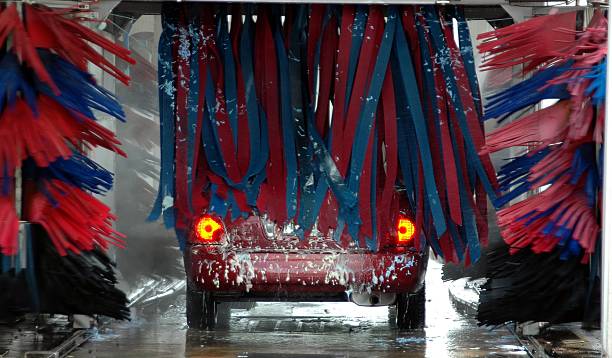
Wintertime driving will coat the bottom of your car with salt, sand and other grime that can cause corrosion. Corrosion can lead to rust problems, which can make your car much harder to resell or even dangerous to drive.

Spend a few extra dollars for the undercarriage power wash at the local car wash or spray the car's bottom with your own hose. If possible, use a car jack to raise the vehicle for a more thorough cleaning. There's no need to use soap or any other cleaner.

While you're at it, open the hood and wipe down the engine with a soft mitt and soapy water. Remove all the leaves and debris that can find their way into the car, and remove any crusty white residue off the battery with a toothbrush, baking soda and water. The residue — caused by corrosion — can eventually prevent your car from starting. The cleaning also helps prepare the battery for the stress of warmer temperatures.

Salt and sand can also damage the car's paint. Give your car a thorough cleaning and wax it with a paste or liquid wax, as sprays don't clean as well.

Scrub the bottoms of doors, which can get coated with grime. Car owners should also clean the window channels, and apply a silicone spray, which repels dirt and lubricates the surfaces so the windows will operate smoothly.

Use a steam cleaner — you can rent one for $20 at Home Depot — or apply a rug-cleaning spray to remove all the salt from the car's inside. Salt can break down some fabrics and cause rips or tears when feet grind against them.


2. Replace Windshield Wiper Blades
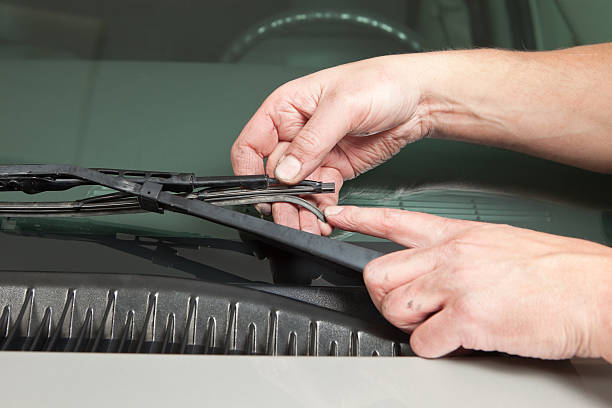
Anyone who has had a windshield wiper peel off during a heavy spring rain knows that the icy cold of winter can be hard on blades. It's recommended you change your vehicle's wiper blades every spring and fall season. Even if your blades look OK, replace them if they start to leave streaks on your windshield.

An auto technician can change them, or you can easily replace them yourself. Just check the owner’s manual for your car to find the correct size.


3. Inspect, Rotate, and Align your Tires
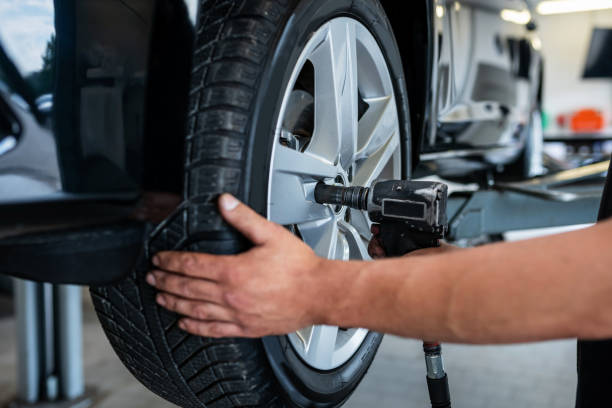
Being the only thing separating you and your vehicle from the asphalt, tires are an extremely important factor when it comes to driving. And winter driving can be extremely harsh on your tires. First things first, if you have a set of winter tires and snow is no longer in the forecast, go ahead and switch over to your all-season or performance tires.

Inspect the traction and tread on each tire, and check each the tire pressure while you're at it. Ensure there is no significant wear and the tire pressure is filled to where it should be, as the spring season will bring rain, that combined with a low or balding tire, can lead to some serious sliding on the road. Cold, winter weather can cause tires to be underinflated and the onset of warm weather can overinflate them, and can even cause cracking in the tire.

Potholes are one of the unfortunate elements of winter driving and they can certainly take their toll on your car. Have your tire alignment checked in the spring, and if you kept your all-season or all-weather tires on over the winter, consider having them rotated as well. If your wheels are out of alignment, it can cause a host of problems, including stress on your car’s suspension, uneven tire wear and other potentially dangerous issues.


4. Check your Brakes
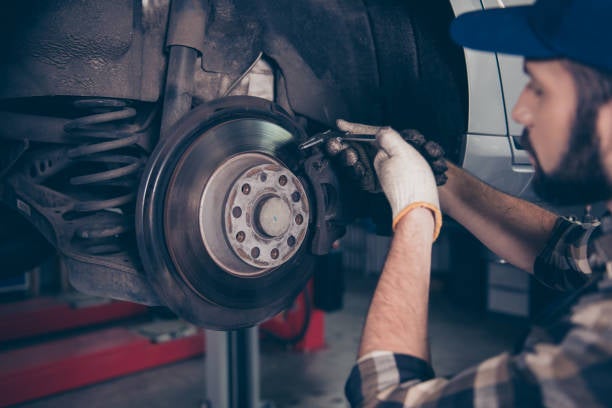
Road salt can impact the condition of your brakes. It can corrode metal and your brake pads rely on clean, properly lubricated metal frames to work properly. Save yourself a step and get this checked while your car is already elevated having its tires changed at a service center. You can often bundle the brake inspection cost with the tire inspection.


5. Check and Change your Oil
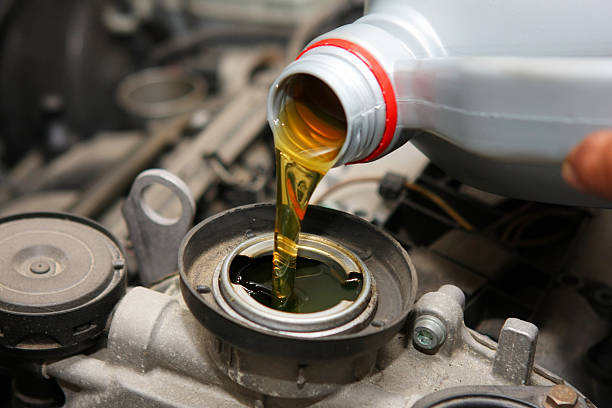
Many cars use thinner oil during the winter than in the summer. Thinner oil flows more easily during cold weather and ensures that your car starts more easily. When warmer spring weather arrives, it’s wise to have an oil change and use thicker oil.

Even if your car uses multi-viscosity oil, as many do, spring is a great time to change it. Winter is hard on engines, and the oil and filter become dirty. Changing the oil will ensure your engine performs well and lasts longer. That means less chance of a breakdown in steaming hot weather of summer.


6. Check your Other Fluids
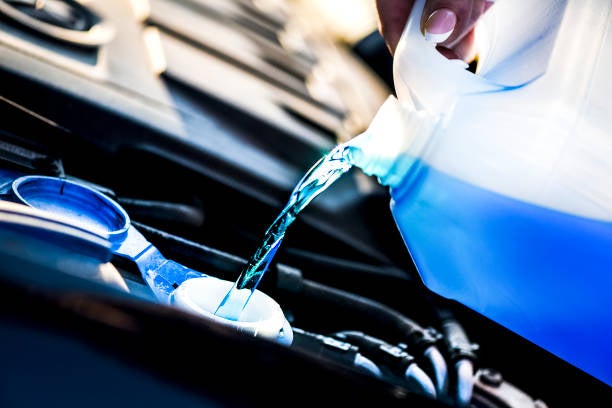
Multiple fluids are needed for your car to function properly. Winter weather can deplete some fluids — especially windshield wiper fluid — more quickly, so top them off yourself if they're too low. A service station will also do the job for $25 or so. You should change your oil, brake fluid and transmission fluid every 5,000 miles or so, regardless of the season.

Many people don’t find out that fluids are low or dirty until the fluids fail and the car is damaged. There usually aren’t many obvious warning signs. When your car is serviced, ask the technicians to check the following fluids:

  • Power steering
  • Brake
  • Transmission
  • Windshield washer solvent
  • Antifreeze/coolant

7. Check your Air Conditioner
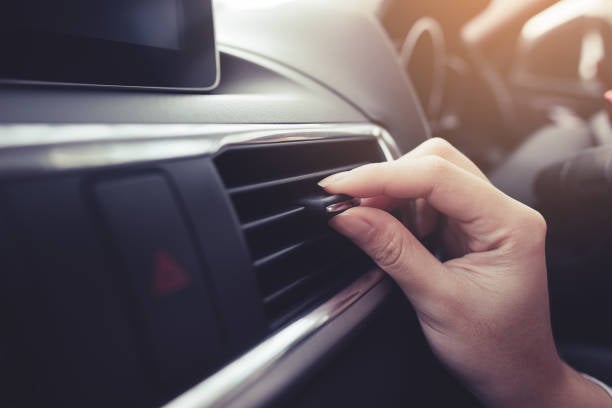
Test your air conditioner by running it for about 15 minutes once a month, even in winter.

No, it won’t hurt it. In fact, it might make it last longer. Running the air conditioner ensures the system stays fresh and active. Plus, you’ll find out if the air conditioner doesn’t work before the blazing hot days of summer.

Your car technician can also check the system’s pressure readings and other elements.

While you run your air conditioner, take a few sniffs inside your vehicle with the doors closed. Does your car smell funny? Many car owners don’t know that there is an air filter in the car’s cabin. The filter is easy to locate and change yourself. NAPA gives a step-by-step guide. If you’re not handy, ask your car technician to change it.


8. Inspect Under the Hood
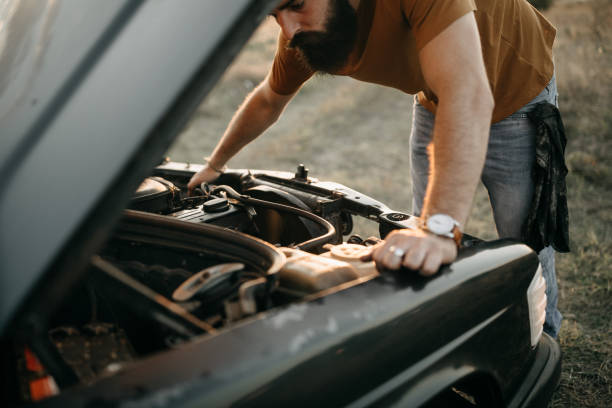
Inspect your vehicle’s belts, hoses and air filters. Many of those crack or become loose during the winter months, especially if rodents and other small animals crawl into engines to stay warm. If the belts or hoses are cracked or damaged in any way, you must have them repaired.

Make sure the air filters are clean and working properly so your air conditioning is ready for the approaching warm weather.

Also be sure to inspect your vehicle's battery. Car owners always think batteries die during the winter. They do, of course, but they also die in summer. Many national auto care chains offer free battery testing, so you can find out whether you need a new one before the battery fails.


9. Swap Out Emergency Supplies

You won't need a parka and a blanket anymore. Spring is the season to double check that the batteries are good on your flashlight and that you have a few bottles of water in the vehicle, just in case.

Also replenish flares if they were used during winter and make sure all the components of your tire jack are in the car. If you don't have a spare or a jack, determine if all the parts of the patch kit are in working order.


10. Assess your Technology for Updates

If you have an older vehicle, you may want to see what new aftermarket technology is available to improve your systems.

If your car is newer, you can check with your dealer to make sure that all your tech and software is up to date.

Posted in:

Related Posts

What to Do if your Vehicle Overheats

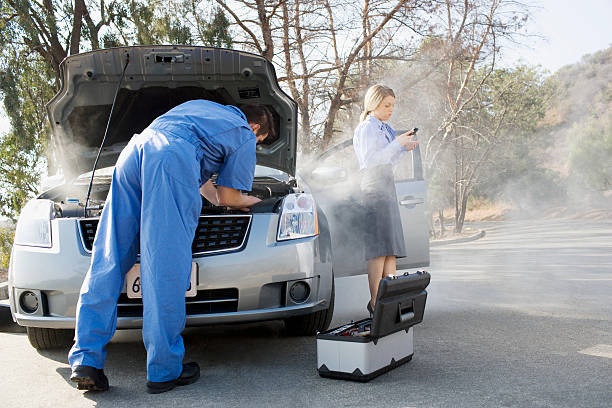
Today’s cars have sophisticated cooling systems equipped with multiple heat sensors and computer-controlled electric fans designed to keep your engine running in any weather. But overheating can still happen. Continue reading on to learn the best ways to prevent an overheated car and steps you can take in the event that your car begins to run hot. more Why do engines overheat and how can I avoid it? Engines overheat for many reasons. Generally, cars overheat because of a problem with the cooling system that doesn’t allow heat to leave the engine compartment. This is often due to a leak or blockage somewhere in the engine cooling system or other components. Other sources may be from a faulty or broken water pump or radiator fan, or from a clogged coolant hose. Components like rubber hoses, gaskets, and water pumps can spring a leak with regular wear and tear. Certain driving conditions, like stop-and-go traffic on a hot day, can put significant stress on the cooling system, causing it to fail. Fortunately, you can usually avoid this problem with regular maintenance by a certified mechanic, who will check your car’s coolant and oil levels and inspect hoses, fans, the thermostat, and other parts in the cooling system. Signs your Engine is Overheating If you’re able to take steps to cool your engine before it overheats to the point of failing, you may reduce the risk of irreversible engine damage. But first, you've got to notice the symptoms of overheating, which can include: Steam (which can look like smoke) coming from under the car hood. An engine temperature gauge on your dashboard that spikes to "H" or into the red. (Engine temperature gauge symbols vary, so consult your owner's manual.) A strange smell coming from the engine area. For example, leaking coolant can smell sweet while leaking oil might smell more burnt. An illuminated “Check Engine” or “Temperature” light on your instrument cluster. As soon as you notice the engine overheating, take the following steps and contact your nearest repair shop. What to do When your Engine Overheats: 1. Kill the A/C and Crank the Heat Immediately turn off the air conditioner to reduce stress on the engine. Then, turn the dial to maximum heat. This can help pull heat away from the engine to keep it from overheating until you can pull over in a safe location. You may get a little hot yourself, but a few minutes of discomfort is a small price to pay compared to major engine repairs. 2. Find a Good Place to Pull Over Pull over and shut off the car. Allow the engine to cool for at least 15 minutes. Keep an eye on the temperature gauge, as it should move back to a normal range as the engine cools. While you're waiting (and watching the gauge), put together a plan to get your overheated engine checked out. Call a friend, a tow truck, or your local roadside assistance for help. 3. Wait If you don’t have roadside assistance, be patient; it will take at least 15 minutes for the engine to cool. In the meantime, do not attempt to open the hood; the coolant in a car that has overheated may be in excess of 230 degrees. Once the hood is open, there’s a risk of being sprayed with hot water or steam. 4. Check Coolant If your coolant level is low, a quick top-off could help protect your engine and prevent overheating until you can get things fixed. However, this step won't do much good if a coolant hose is clogged or the source of your troubles is a broken radiator fan or water pump. Consult your owner's manual to find the location of your coolant reservoir tank and to learn how to add coolant to your vehicle. 5. Get to a Service Station Adding coolant does nothing to address the problem that caused your engine to overheat in the first place, but it often allows you to drive safely to the nearest repair station. So if your car isn't being towed, now's the time to carefully restart your engine and drive to your nearest auto repair shop. Keep an eye on the temperature gauge as you drive. If it rises again, pull over and let the system cool. Take notice of everything, like fluid under the car or steam under the hood. What NOT to do When your Engine Overheats 1. Don't Panic Your engine isn’t keeping its cool, but you can! Avoid swerving through traffic or slamming on your brakes when pulling off the road. Drive carefully until you find a safe place to pull over. 2. Don't Keep Driving If your engine is overheating but still running, you're not doing it any favors by staying on the road. Sure, you may be able to get to your destination before it gives out entirely, but you may cause significant (and costly) damage by pushing your engine too far. 3. Don't Open the Hood Immediately Once you've pulled over, wait for the engine to cool before popping the hood to check things out. Opening the hood immediately can put you at risk of burns or injuries from spewing steam or smoke. Patience is key. Wait until the engine temperature gauge settles before opening the hood. 4. Don't Let the Issue Linger An overheating engine won't resolve on its own, even if it seems to be fixed after you add a little coolant. It will only get worse if left unaddressed. Get to the root of the issue to help save your engine and your wallet. How to Prevent an Overheated Engine Take care of your car, and it’ll take care of you. The best way to prevent an overheating car engine is to have regular coolant flushes and exchanges performed on your car, and stay up-to-date with radiator maintenance as recommended by your vehicle manufacturer. Routine inspections can also help you fix any potential radiator or engine issues before they worsen. Checking Coolant Yourself You can check your engine's coolant yourself! It’s a good idea to do this every few months, or before you hit the road for a long trip. Knowing how to complete this simple task is almost as important as knowing what to do when your car overheats. Release the hood. Find the radiator reservoir (usually a white tank). Visually inspect the level on the side of the reservoir. The level should be between the “low” and the “full” marks. If it’s beneath the “low” mark, allow your engine to cool down and add more coolant. Check your owner’s manual for the correct fluid. Use a funnel to prevent spills on the engine (or just bring your car to a nearby service station location and ask them to do it for you).

A Guide to Gasoline: Learn the Differences

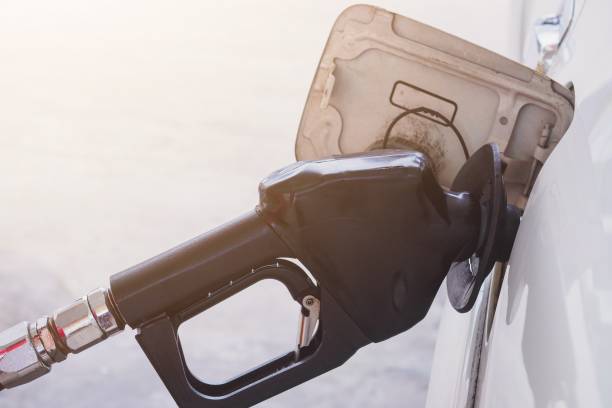
When you pull up to the gas station, do you really know what you’re getting by making the choice of regular or premium gas? What are the different gas types? Which one should you choose for your vehicle? Is it worth it to pay more for premium gas? Selecting a grade of gasoline simply because it has a higher-octane rating might not be the best choice for your car or your budget. While some vehicles can benefit from premium gas, most drivers can save money at the pump by using regular unleaded in their vehicle without sacrificing performance. This guide explains the different octane ratings for fuel found at gas stations, why some types of gasoline cost more, and which gas you should use for your car. more Octane Ratings Explained The octane rating on different grades of gasoline is a measurement of the fuel’s stability. Higher octane numbers mean greater stability. The greater stability indicates the gasoline’s resistance to preignition and the fuel’s ability to resist “knocking” or “pinging” during combustion. These sounds come from the air-fuel mixture detonating prematurely in the engine. Internal combustion engines compress a mixture of air and fuel and ignite them with a spark. Under certain conditions, the fuel-air mixture can ignite early, creating a knocking sound in the engine. Newer cars have sensors that prevent preignition, so you’ll rarely hear knocks and pings unless you drive an older vehicle. A gasoline’s octane rating averages two testing methods — the research octane number (RON) under idle conditions, and the motor octane number (MON) under higher engine speed. You might have noticed this formula in smaller letters on the yellow buttons displayed on gas pumps — (R+M)/2. The larger numbers on gas pump stickers indicate the octane rating of the different gasoline grades. Typically, gas stations sell gasoline with three octane levels: Regular Regular gas is the lowest octane fuel at typically an 87 level. Mid-Grade Mid-grade is the middle-range fuel at usually an 89 octane level. Premium This is the highest-octane fuel you can buy and it’s generally at levels of 91-94. Even though some companies market their different grades of gas with names such as “Super Premium,” “Ultra,” or “Ultimate,” they all refer to the gasoline octane rating. “Premium” Gas Can Vary By State What qualifies as premium gas varies from state to state. So pay attention if you are on a cross-country road-trip or crossing state lines. One state may require a minimum octane rating of 92 to be considered premium, while another may only require 90. Gas stations in the United States generally offer three octane grades: regular (usually 87 octane), mid-grade (usually 89 octane), and premium (usually 91 or 93 gas). Check the sticker on the pump to know which you are getting. What Type of Gasoline or Fuel Should I Put in My Car? The fundamental rule of car maintenance is to follow the manufacturer’s guidelines found in the owner’s manual. It will show the minimum octane level for the vehicle and whether premium gas is recommended or required. There’s a distinct difference. If your car does not recommend premium, you aren’t doing your vehicle any favors by getting it. Some vehicles specify “premium” gas. Engineers at auto manufacturers prescribe premium gas because certain kinds of engines operate optimally with higher-octane fuel. If your owner’s manual doesn’t call for premium gas, your vehicle doesn’t need it. Recommended vs. Required Fuel Types Cars that require premium fuel often have a warning notice at the gas cap and sometimes on the dashboard gas gauge reminding drivers to use the correct type of gas. When your owner’s manual recommends a fuel type, it’s not required that you put it in your vehicle. Generally, do what the manufacturer outlines in the owner’s manual and pay attention when filling up at the gas pump and make sure to choose the right fuel for your car. Higher octane fuel may be necessary for engines that use a greater compression ratio or use turbocharging to force more air into the cylinders. This allows high-output engines to produce more power from the compressed air-fuel mixture. These high-compression engines can require high-octane fuel to ensure the mixture doesn’t ignite early. Using fuel with an octane level lower than what is recommended by the manufacturer can reduce engine performance. Over time, not following the octane guidelines for your car can cause damage to the engine and emissions control system. It might also void the vehicle’s warranty. Can You Use a Higher Octane Gas? If your car is designed for regular-octane gas, you can safely use higher grades of gasoline. But under normal driving conditions, there is little to no benefit with buying fuel with octane levels greater than what is recommended. However, if you have an older car experiencing engine knock, filling up with premium gas for a few tanks might fix that problem. Understanding Diesel Fuel Diesel fuel is the common term for petroleum distillate fuel. Gasoline and diesel engines operate differently and therefore use different types of fuel. Diesel is used in vehicles that use compression ignition engines, while gas engines are spark-ignited. In general, diesel engines work more efficiently and provide greater torque that is needed to move heavy loads, even though they generate less horsepower than their gasoline counterparts. These days, the diesel car market in the United States is relatively small. However, many heavy-duty pickups and vans are offered with optional turbo-diesel engines that bring the towing capacity that is desired for commercial work and off-road driving or for pulling boats and campers. Not every diesel-powered vehicle looks like a workhorse, however. The Land Rover Range Rover, Land Rover Range Rover Sport, Cadillac Escalade, and Jeep Gladiator offer available diesel powertrains. In addition to petroleum-based fuel, diesel engines are capable of using biodiesel that is produced from raw vegetable oil, used cooking oils, and waste animal fats. Mistaking Diesel Fuel and Gasoline If you unintentionally fill up your tank with a gasoline grade with an octane rating less than or greater than what is recommended for the car, there is no reason to panic. What is a cause for concern is putting diesel fuel into the tank of a gas vehicle or pumping gasoline when the car requires diesel. It’s difficult and uncommon, but not impossible, to put diesel fuel into a tank intended for gasoline. A diesel pump is a different color, usually green, and its nozzle is larger so that it won’t fit into a gasoline tank’s opening. If you accidentally put diesel into your gasoline tank, you will need to pay to have the engine’s fuel lines drained and cleaned at a dealership or local car repair. Similarly, having gasoline in a diesel engine can cause damage to the fuel pump, filter, and injectors. What is Flex Fuel? E85 is a fuel designed for “flex-fuel vehicles.” It is composed of 85% ethanol and 15% gasoline. E85 pumps are clearly labeled at gas stations and typically have yellow nozzles. Flex-fuel vehicles usually have a yellow fuel cap. Using gasoline of any octane level in a flex-fuel vehicle is OK. However, putting E85 in a car that isn’t designed for it can be harmful. Most insurance policies don’t cover accidentally fueling up with the wrong gasoline type. However, some insurers offer riders that do cover the mishap. So check with your insurer and your policy. It is important to pay attention at the pump, avoid distraction, and know your car’s requirements. What is Recreational Fuel? Ethanol-free 90-octane gasoline is sometimes marketed as “recreational fuel” or REC-90. Many consumers prefer to use this pure gasoline that isn’t blended with ethanol for marine equipment and small engines for lawnmowers, snowblowers, chainsaws, generators, pumps, and the like. Non-ethanol gasoline typically costs more than varieties that are blended with ethanol. This type of gas isn’t sold at every filling station. Using ethanol-free gas in your car won’t harm the vehicle’s engine. However, using an ethanol blend may cause damage to your outdoor power equipment. Refer to your owner’s manual for the correct fuel to use for your tools. Why Do Some Gasoline Types Cost More Than Others? The most noticeable difference between grades of gasoline is the cost, and motorists often wonder why higher-grade options cost more. The reason is that the additives and components used for boosting octane are generally more expensive to produce. At the time of this writing, the average price of regular unleaded in the United States is $4.33 per gallon, while a gallon of mid-grade costs $4.68, according to AAA. Drivers buying high-octane premium gasoline can expect a price increase of 62 cents more than regular, or $4.95 per gallon on average, the website shows. That means it costs $9.30 more to fill a 15-gallon tank with high-octane premium gas than it would with lower-octane regular. Is Gas with Higher Octane Worth the Price Difference? Absolutely. However, it’s only worth the price difference if your car requires higher octane gasoline such as mid-grade or premium fuel. Otherwise, you would be wasting money. Some owner’s manuals indicate that using fuel with a higher octane rating will make your car run better or more efficiently. Still, the increase in cost per gallon is typically higher than any reduction in gas consumption. Price Factors for Gasoline Many factors determine gasoline prices. Drivers often see higher prices in the summer driving season. Supply from refineries and demand from vacationing motorists can add up to 15 cents per gallon to gas prices in the summer months. Additionally, seasonal gasoline blends found at the pump contribute to price differences from one season to the next. In warmer months, gasoline has a greater chance of evaporating from a car’s fuel system. To help offset smog and emissions, refiners produce a summer blend with lower volatility to reduce the chance of evaporation. Blends vary by state because of government regulations. These seasonal blends can add up to 15 cents per gallon on top of demand increases, depending on the region. From September to April, cooler weather brings lower gas prices because the winter blend is cheaper to produce. The price at the pump can fall as much as 30 cents per gallon as gas stations switch to winter gasoline and many drivers stay closer to home. Gasoline FAQ How long can you store gasoline? High-quality gasoline can be stored for three to six months in an approved, tightly sealed container before it begins to degrade and lose its volatility. Using a fuel stabilizer can extend the shelf life of new gasoline. While pure gasoline can last up to six months, ethanol blends, such as E85, will last for three months. Diesel fuel can be kept for up to one year. Does gasoline go bad? The volatile compounds of gasoline naturally degrade over time and the combustibility of old gas decreases, even when properly stored. Gasoline can go bad from contaminates such as dirt and rust. Old gas may be refreshed to usable condition by mixing it with a high ratio of fresh gasoline. Contaminated gas should not be used to power any equipment because it can damage the engine’s components. How to dispose of gasoline? Safely dispose of old gasoline at a hazardous waste facility near you. Your local fire department can suggest options for proper disposal of unwanted gasoline. Never dispose of gasoline in trash cans, the ground, storm drains, lakes, streams, or other bodies of water.

April is National Car Care Month

Winter has come to an end, spring is in full swing, and there is no better time than April to get your car in tip-top shape for summer road trips or simply for driving around town! That's why the Car Care Council named April as one of their two National Car Care Months. No matter your transportation needs, it is essential to make sure that your car is in excellent condition to help you reach your destination safely and comfortably. Keep reading for a rundown of the car maintenance tasks you should make sure not to forget. The Car Care Council recommends 10 basic maintenance procedures to keep your car operating at its best: more 1. Oils and Fluids Check the oil, filters and fluids. Oil should be checked at every fill-up and changed per the owner’s manual recommended intervals. Brake, transmission, power steering, coolant and windshield washer fluids should also be checked regularly. Your car’s filters, including those for the transmission, fuel system and interior ventilation, need regular inspection and replacement. 2. Belts and Hoses Inspect hoses at each oil change and have them replaced when leaking, brittle, cracked, rusted, swollen or restricted. Check V-belts and serpentine belts for looseness and condition, and have them replaced when cracked, frayed, glazed or showing signs of excessive wear. Typically replace the timing belt between 60,000 and 90,000 miles or the interval specified in the owner’s manual to avoid a breakdown or serious engine damage. 3. Brakes Check the engine brake system every year and have the brake linings, rotors and drums inspected at each oil change. 4. Battery Check that the battery connection is clean, tight and corrosion-free. The battery should be securely mounted. If it is three years old or more, the battery should be tested and replaced if necessary. 5. Exhaust System Inspect the exhaust system for leaks, damage and broken supports or hangers if there is an unusual noise. Exhaust leaks can be dangerous and must be corrected without delay. 6. Engine Tune-Up Schedule a tune-up that will help the engine deliver the best balance of power and fuel economy and produce the lowest level of emissions. 7. HVAC Check the car’s heating, ventilating and air conditioning (HVAC) system as proper heating and cooling performance is critical for interior comfort and for safety reasons, such as defrosting. 8. Steering and Suspension Inspect the steering and suspension system annually, including shock absorbers and struts, and chassis parts, such as ball joints, tie rod ends and other related components. 9. Tires Check the pressure of all tires, including the spare, at least once a month. Check the tread for uneven or irregular wear and cuts and bruises along the sidewalls. Have your car’s alignment checked at least annually to reduce tire wear and improve fuel economy and handling. 10. Lights and Wipers Test exterior and interior lights and have bulbs that are not working checked immediately. Replace windshield wiper blades every six months or when cracked, cut, torn, streaking or chattering for optimum wiping performance and safety.