Best Buys
Blog / Community

5 Events and Activities Worth Checking out in Great Falls, Montana This Winter

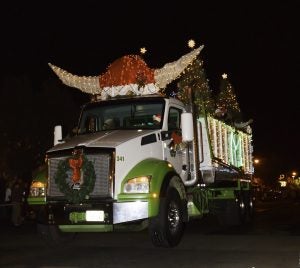
white and green 18 wheeler with christmas hat
When the temperatures start to drop and snow begins to fall, Great Falls, Montana, comes alive with a variety of exciting things to do. If you're looking for some of the best events and activities to enjoy this year in Great Falls, check out a few of these top options.

Parade of Lights

The official kickoff to the holiday season in Great Falls begins on November 30 with the Parade of Lights. During this annual event, a parade that features a procession of beautifully decorated floats will start on Sixth Street before traveling down Central Avenue. The parade will then end with Santa Claus lighting the town Christmas tree located at the Civic Center. While you're at the event, you'll also have an opportunity to enjoy food, music, gift vendors, and more.

Christmas Stroll

The festivities don't stop with the Parade of Lights. On December 6, head to downtown Great Falls to take part in the Christmas Stroll. This annual event brings memorable fun, great food, and plenty of holiday cheer to Central Avenue. Some of the special events during the Christmas Stroll include the Polar Plunge, pictures with Santa, Showdown Rail Jam, and KMON Ball Drop. You can also take the kids to Santa's Village so they can write a letter to Santa, decorate cookies, and make crafts.

Banff Mountain Film Festival

The Banff Mountain Film Festival brings exciting films to 550 communities around the world, and Great Falls is always the first stop on the tour. This year, the festival will occur on November 8 at Mansfield Theater. Although the Great Falls Ski Patrol presents the festival, the films aren't always about skiing. Instead, you might have a chance to watch everything from profound adventures to humorous stories. Plus, not only will you get to enjoy some great films, but you'll also help support a good cause since proceeds of the festival go to the all-volunteer Great Falls Ski Patrol.

Showdown Montana

If you're looking to get outside and enjoy all the snow that accumulates in Great Falls, there's no better place to do it than at Showdown Montana. This alpine ski area is located south of the city in the Little Belt Mountains. The ski area has a total of 36 trails that range from easy to difficult. You can also stop by the Skier's Edge Pro Shop to get all the equipment you need and head to King's Hill Grille to warm up with hot food and drink.

Silver Crest Trails

The Silver Crest Trails are another great option when you want to get outside and enjoy nature. These trails are also located south of Great Falls near Showdown Montana. Here, you'll find around 8 miles of groomed trails for cross-country skiing and snowshoeing and 200 miles of groomed snowmobile trails. The gently rolling terrain and forest setting make these trails good for all skill levels. When you're ready to have some fun in Great Falls this winter, you know you'll have a great time when you check out these top activities and events. Image by mendo_video_productions via cc by 2.0
Posted in:

Related Posts

Exploring Montana: 20 Quick Trips from Great Falls

It's summertime in Montana and there's no better way to spend the long, hot days than taking a road trip to somewhere new! To help make your summer adventure spectacular, we've complied a list of the 20 best destinations in Montana to visit within driving distance from our home in Central Montana, in order from closest to farthest in distance. Each trip can be made in 4 hours or less from the city of Great Falls. Make a plan to hit multiple stops on the ride, or take your time and spend a weekend at each place to really get the full experience they each have to offer! more 1. Fort Benton - 42 miles (approx. 45 minute drive) Drive through vast open country, past miles of wheat fields, herds of deer and antelope, and enjoy a view where you can see forever in any direction. You'll soon understand why Forbes named Fort Benton as one of the fifteen "prettiest towns in America" and National Geographic Traveler recommends visiting Fort Benton. If you love history, Fort Benton is definitely a place you'll want to check out! The city's waterfront area, the most important aspect of its 19th century growth, was designated the Fort Benton Historic District, a National Historic Landmark, in 1961. The city features museums and historic sites like the Historic Old Fort Benton, The Starr Gallery of Western Art, The Museum of the Northern Great Plains, The Hornaday Smithsonian Buffalo and Dean & Donna Strand Western Art Gallery, the Homestead Village, The Museum of the Upper Missouri, and lastly, Upper Missouri River Breaks National Monument Interpretive Center. You can also visit the state of Montana's Lewis and Clark Memorial in Fort Benton, and explore other landmarks like the Grand Union Hotel, the Shep Memorial, the Fort Benton Bridge, and the Choteau County Courthouse. With a population just shy of 1,500, you can expect quiet, open roads, little to no wait times, and an occasional friendly face. 2. Choteau - 52 miles (approx. 55 minute drive) This city, with a population of approximately 1,700 residents, is another small town on our list, but it's definitely worth the visit! The town is named for French fur merchant, trader and explorer Pierre Chouteau, Jr., who is also the namesake of Chouteau County, Montana, where you can find our last destination, Fort Benton. Choteau, like Fort Benton, is a county seat, meaning the Teton County Courthouse can be found right in the middle of town. Things to see in Chouteau also include the Old Trail Museum, the Soroptimist Walking Path, and The Montana Dinosaur Center, a two-story paleontology research center and museum that offers real dinosaur fossil digs from May - September. Chouteau is also home to Freezeout Lake Wildlife Management Area, one of the world's premier bird-watching locations, with over 200 species of birds observed her every year. You can find great spots for various outdoor recreation, like hiking, horseback riding, hunting, and fishing. In the winter, Teton Pass Ski Resort, about 20 miles north of Chouteau, is a great place to ski and snowboard, then warm up in the log cabin after with some hot chocolate. 3. Holter Lake/Gate of the Mountains - 59 miles (approx. 1 hour and 5 minute drive) It was Meriwether Lewis of Lewis and Clark fame who aptly named the Gates of the Mountains. As you begin to explore the Gates of the Mountains and Holter Lake area, you’ll be stunned by its beauty and soon come to realize why Lewis gave it this title. Lewis named it Gates of the Mountains due to the towering cliffs bordering the Missouri River that appear to open and close as you navigate the turns in the river. At that time, the river was not yet dammed, making the cliffs even more dramatic than they appear today. Though the Missouri River has since been dammed, raising the water levels, “the Gates” are still breathtaking, and the dam has created one of our favorite summertime recreation spots in Montana: Holter Lake reservoir, a 24-mile section of the Missouri River running from Upper Holter Lake (southern end) to Lower Holter Lake (northern end). The over 28,000 acres and over 50 miles of trails that make up the Gates of the Mountains Wilderness Area border the Missouri River heading north from Upper Holter Lake. The pristine, wild, and roadless wonder of the entire wilderness area can be accessed from stops along the southern portion of Holter Lake. The lake offers the perfect spot for boating, kayaking, fishing, camping, and soaking in the sun and views of the Gates under the big sky. A 7-mile, guided boat tour of the Gates of the Mountains can be purchased to view "the Gates," and learn it's history. 4. Helena - 90 miles (approx. 1 hour and 30 minute drive) One and a half centuries ago, Helena became the "Queen City of the Rockies" with the boom brought on by the 1864 gold strike. Helena grew along Last Chance Gulch and in 1875 became the Montana territorial capital. Today the state capital’s grand architecture, numerous museums and historic sites offer a real glimpse into the rich and deep history of the city. Helena also boasts a vibrant cultural center with a busy event calendar, eclectic shopping, art galleries, terrific local bands, great restaurants, local microbreweries, and an epic trail system. Stroll around Last Chance Gulch and the Downtown Pedestrian Mall, or take a visit to the state's capitol building. Take a Hike at Mount Helena City Park, or step back in history at Reeder's Alley or the Montana Historical Society. Helena also features the Montana Military Museum, the Holter Museum of Art, and an interactive science center, ExplorationWorks. After you do all your exploring around town, take a soak in the Broadwater Hot Springs and Spa. 5. Havre - 113 miles (approx. 1 hour and 55 minute drive) Havre is a rural agricultural community located on Highway 2 in North Central Montana. This area of mountains and plains offers a year-round retreat for nature lovers, recreation enthusiasts and history buffs. Besides recreation, Havre is also rich in cultural attractions ranging from concerts, live theater, museums, shops, galleries, numerous sporting activities and events. Another county seat city, Havre is home to the Hill County Courthouse, and the United States Historic Post Office and Courthouse. Some other places to check out include the Wahkpa Chu'gn Archaeological site, Fort Assiniboine, and the Highline Heritage Resources Historic Homes. While you're there, be sure to explore the underground tunnels of Havre, Beneath the Streets. See first hand the commerce of early days on the wild and wooly frontier. Tour the Sporting Eagle, Wah Sing Laundry, Shorty Young's Office, Gourley Bothers Bakery and more. Other museums in Havre include the H.E. Clack Historical Museum, the Old Library Gallery, and the Blaine County Museum can be found in nearby Chinook. 6. Glacier National Park - 146 miles (approx. 2 hour and 25 minute drive) Established as a National Park in 1910, Glacier National Park is a land of mountain ranges carved by prehistoric ice rivers. It features alpine meadows, deep forests, waterfalls, about 25 glistening glaciers and 200 sparkling lakes. The vistas seen from Going-To-The-Sun Road are breathtaking, a photographer's paradise. Relatively few miles of road exist in the park's 1,600 square miles of picturesque landscape, thus preserving its primitive and unspoiled beauty. Take your time exploring this over 1 million acre national park by hiking, camping, biking, boating, fishing, horseback riding, or cross country skiing. One of the most popular hotels to rest at is the old-world style Many Glacier Hotel, built in 1914. 7. Butte - 155 miles (approx. 2 hour 25 minute drive) Established in 1864 as a mining camp in the northern Rocky Mountains on the Continental Divide, Butte experienced rapid development in the late-nineteenth century, and was Montana's first major industrial city. In its heyday between the late-nineteenth and early-twentieth centuries, it was one of the largest copper boomtowns in the American West. The city covers 718 square miles, and has a population of almost 34,500, making it the 5th largest city in the state! The Butte Hill and its huge copper deposits was once known as "the richest hill on earth." Today Butte's colorful history can be seen in its preserved Victorian uptown business district and stately mansions. The Butte Trolley tours historic sites in the summer. Activities and guided services for this area include ranch vacations, natural hot springs, hiking, boating, resort cabins, river floats, hunting, fishing, horseback rides, golf, cross-country and downhill skiing, and snowmobiling. Butte boasts one of the nation's largest National Historic Landmark Districts with over four thousand structures around the city. History lovers can take a ride on the Old Trolley No. 1 for tours of historic sites, or visit one of Butte's many museums: the Copper King Mansion, the Mai Wah in the heart of Butte's old Chinatown, the Dumas Victorian Brothel Museum in the once notorious Venus Alley, the Mineral Museum, and the World Museum of Mining with its twenty two acres of outdoor and indoor displays. For unsurpassed views, visit the Granite Mountain Mine Memorial for a panoramic view of Butte and the nearby mountains; the viewing stand at the Berkley Pit, Butte's massive open-pit mine; or take a bus for a close-up view of the towering Our Lady of the Rockies, a 90-foot statue of the Virgin Mary that looks down on Butte from the Continental Divide. Outdoor enthusiasts can visit the nearby Sheepshead Recreation Area, Maney Lake, and Elkhorn State Park for hiking, boating, river floats, and fishing opportunities. 8. The Lewis and Clark Caverns (Whitehall) - 158 miles (approx. 2 hour and 30 minute drive) Lewis and Clark Caverns State Park is Montana's first and best-known state park featuring one of the most decorated limestone caverns in the Northwest. Naturally air conditioned, these spectacular caves lined with stalactites, stalagmites, columns, and helictites are electrically lighted and safe to visit. Above ground, a self-guided nature trail provides opportunities to understand the natural surroundings. Also available is 10 miles of hiking trails, 40-space campground, 3 camping cabins, tipi, picnic sites, firewood, flush and vault toilets, showers, group use area, RV dump station, grills/fire rings, picnic tables, trash cans, drinking water, and a food/beverage and gift concession. The park is open year around, but guided tours are conducted daily only between May 1 and September 30. The park has two visitor centers, interpretive displays and evening programs presented during the summer months. The site encompasses 3,000 acres at an elevation of 4,300 and 5,600 feet. Golf course and museums are located nearby in Three Forks and Whitehall. 9. Philipsburg - 158 miles (approx. 2 hour and 45 minute drive) This 1890s mining town has been renovated into National Historic Business District. Quaint shops, walking or auto tours and guides into the ghost towns are available. Georgetown Lake is 10 miles from Philipsburg and offers a beautiful mountain setting, fishing, boating and camping. Try some prospecting at the Sapphire Gallery or visit the Granite County Museum and Mine Exhibit, home of the Ghost Town Hall of Fame. Located nearby is Discovery Ski Area with beautiful views and uncrowded slopes. The Philipsburg area is a geologically rich with large mineral deposits, over 75 named lakes and reservoirs and is full of interesting history. In the heart of Montana sapphire country, Philipsburg boasts several opportunities for panning for your own Montana sapphires at any one of several shops in town, or exploring old Montana silver and gemstone mines in the surrounding mountains and ghost towns. 10. Missoula - 165 miles (approx. 2 hour and 45 minute drive) Known as the "Garden City" for its dense trees and lush green landscape, Missoula is nestled in the heart of the northern Rockies where five valleys converge, and is the 2nd largest city in the state. Missoula is a center for education, medicine, retail and the arts. Located at the base of Mount Sentinel and the banks of the Clark Fork River is The University of Montana. The 200-acre campus is one of the most beautiful in the nation and is home to 12,000 students. Fly fishermen, rafters, kayakers and canoers thrive on the nearby waters. Missoula has no shortage of museums, including: the Missoula Art Museum, the Rocky Mountain Museum, the Montana Natural History Center, the Historical Museum at Fort Missoula, the Montana Museum of Art and Culture, the National Museum of Forest Service History, the Museum of Mountain Flying, the Montana Museum of Work History, the Boone and Crockett Club, the Holt Heritage Museum, and the Miracle of America Museum. Visit the Lolo National Forest and catch a show at the Wilma Theater. Also be sure to check out the Rocky Mountain Elk Foundation and the Rattlesnake National Recreation Area. 11. Livingston - 170 miles (approx. 3 hour drive) Livingston is the historic train town from the late 1880's that will keep you coming back. Livingston was the “Original Gateway City to Yellowstone National Park,” but now it’s where adventure, beautiful scenery and authentic friendly folk await you at the edge of the Yellowstone River. The town is surrounded by four beautiful wild mountain ranges that offer an abundance of outdoor activities year round. Enjoy some fly fishing, dogsledding or cross-country skiing, horseback riding, river rafting or just take it easy at their many museums, art galleries and restaurants. Take a trip to the Yellowstone Gateway Museum, the Livingston Depot Center, and take a stroll down Main Street. 12. Anaconda - 179 miles (approx. 2 hour and 45 minute drive) Humbled by the towering Pintlers, nestled in a mile high valley in the Deer Lodge National Forest, Anaconda presents unsurpassed recreational opportunity just outside town, in any direction. The town sprang up when the giant Anaconda Copper Mining Company of Butte needed a smelter for its vast amounts of copper ore. Smelting operations were suspended in 1980, but "The Stack" remains an important landmark and state park. Smoke Stack Stater Park allows visitors to view the 585 ft. tall structure from a distance. Also in Anaconda, the Lost Creek State Park offers incredible views and various outdoor recreational activities. For more fun in the outdoors, visit the Washoe Park, visit the Old Works Golf Course, or take a trip to a local hotspot, Georgetown lake. Other places to visit include the Washoe Theater, the Washoe Park Trout Hatchery, and the Copper Village Museum and Arts Center. Hop on a Historic Bus Tour to tour the town and learn it's history. 13. Bozeman - 186 miles (approx. 3 hour drive) Bozeman is called “the most livable place” for good reason, and is the state's 4th largest city. Enjoy world-renowned fly fishing, dramatic mountains for hiking, mountain biking, rock climbing, skiing, hunting, and backcountry exploring, Yellowstone National Park, and impressive wildlife. When you are ready for a more city experience, dive into Bozeman’s thriving arts and culture communities, ranging from main street festivals, farmers markets, cultural centers and museums to symphonies, theaters, and art galleries. Museums include the Museum of the Rockies, the Gallatin History Museum, the American Computer and Robotics Museum, the Bozeman Art Museum, the Montana Science Center, and the Little Bear School House Museum. Take a trip to downtown Bozeman for some shopping, or visit the Montana Grizzly Encounter to get "up close" to rescued grizzly bears. 14. Virginia City - 207 miles (approx. 3 hour and 25 minute drive) Virginia City was born with the discovery of gold in Alder Gulch in 1863. A boom town of the post Civil War era, Virginia City served as the Montana Territorial Capital for 10 years, until the gold ran out. Just a mile away lies Nevada City, a western town created from a collection of buildings from other ghost towns. Both towns have been largely restored and preserved and have become living examples of the real Old West. One hundred fifty buildings have been certified authentic by the Montana Historical Society. Original buildings, dating from the Territorial days, are filled with merchandise and implements used when gold camps flourished in the West. Boardwalks, mechanical music machines, a penny arcade, antique automobiles and even a two-story outhouse add to the Old West atmosphere. This section of Gold West Country offers many opportunities to relive the adventure of gold rush days. Virginia City's Grand Victorian Ball for Peace 1865 is held in August. Events include a Grand Ball where guests attend in period costume. The Opera House features the Virginia City Players' productions in the style of 19th-century. Virginia City offers the oldest continuously operating summer stock theater west of the Mississippi. Check with the Chamber of Commerce for a schedule of shows. In Virginia City, you can shop, dine and sleep without leaving the atmosphere of the 1860s. Dine in the Star Bakery and bend an elbow in the Bale of Hay Saloon. Relax with a libation at Montana's first brewery, the H. S. Gilbert Brewery, and enjoy a performance of the Brewery Follies Players. Modern accommodations in a charming, 19th-century atmosphere are available. You will find fascinating nuggets of history and memories to treasure. The majestic Madison River Valley, just west of Virginia City, features some of the world's finest trout streams, as well as a beautiful mountain backdrop. 15. Flathead Lake - 216 miles (approx. 3 hour and 40 minute drive) Flathead Lake is the largest natural freshwater lake west of the Mississippi in the lower 48 states, with over 200 square miles of water and 185 miles of shoreline. The southern half of Flathead Lake is within the boundary of the Confederated Salish and Kootenai Tribes Flathead Reservation. Recreationists must purchase a tribal recreation permit. Montana Fish Wildlife and Parks maintains thirteen public access sites around the lake. These sites include: Sportsmans Bridge, Somers, Big Fork, and Juniper Beach fishing access sites; Wayfarers, Woods Bay, Yellow Bay, Finely Point, Walstad Memorial, Big Arm, and Elmo state recreation areas, which have toilets, boat launch, camping, swimming and picnic facilities; and West Shore State Park, located twenty miles south of Kalispell on Highway 93. Also located along the west shore near the Big Arm is Wildhorse Island, a 2,165-acre state park. The park is accessible only by boat and is a public day use and picnic area only, no overnight camping. Recreation on and around the lake includes: sailing, power boating, waterskiing, swimming, fishing, picnicking, and camping. In the summer, roadside stands along the east shore offer a variety of locally grown cherries, apples, plums, and other fruits. There are numerous motels and rental cabins in addition to public campgrounds scattered all around the shoreline. The major population centers around the lake are Kalispell, Bigfork, and Polson, all of which offer a complete variety of groceries, supplies, and information. 16. Billings - 219 miles (approx. 3 hour and 40 minute drive) Shaped by the Yellowstone River and sheltered by the Rims, Billings is a regional hub for commerce, and is the largest city in the state with just over 117,000 residents. Whether you're looking for bronco busting rodeo action or the relaxation of fishing or hunting, you'll be in good company around Billings. Watch Montana's wildlife by grabbing your binoculars and heading to the plains or hiking in the mountains that surround Billings. Use Billings as a central point to the best western attractions, events, hospitality, shopping and cuisine. For museums, Billings is home to the Yellowstone Art Museum, the Moss Mansion Museum, the Western Heritage Center, and the Yellowstone County Museum. Get some fresh air in the city by visiting Lake Elmo State Park, or Pictograph Cave State Park, where you can find ancient rock paintings dating back to over 2,000 years ago. Just outside of town you can find Pompey's Pillar, a sandstone pillar over 200 years old with Captain William Clark's signature carved near the base. Visit ZooMontana or the Yellowstone Wildlife Sanctuary to view animals found in the wild. Finally, catch a show or rodeo at the MetraPark Arena. 17. Big Sky - 219 miles (approx. 3 hour and 45 minute drive) There's a lot more to Big Sky than the endless views and wide-open skies that give this Montana destination its name. Big Sky is an R-Destination. Come Recreate, Recharge, Rejuvenate, Reboot and Return home Refreshed. Big Sky offers unlimited access to outdoor recreation: the wet and wild whitewater experience, blue ribbon trout streams, backcountry hikes, meandering wildlife and widespread wildflowers. It's made of a welcoming community filled with people who have chosen Big Sky, for the week or forever. This is an area full of adventure, and vibrant with entertainment options to suit a variety of individuals and groups, from families to businesses, to all-guys or gal's trips, meetings, family reunions, romantic getaways, and weddings. If that isn't enough, Big Sky is your gateway community to Yellowstone National Park adventures, where geologic wonders and rugged nature are in a summer or winter day's visit with the West Entrance to the Park accessible to the south in just under an hour. In winter, Big Sky is home to the BIGGEST SKIING IN AMERICA © with over 5,800 acres of skiable terrain spread across four mountains, 4,350 vertical feet and 85 km of award-winning Nordic trails. 18. Whitefish - 220 miles (approx. 3 hour 45 minute drive) Named one of the "Top 25 Ski Towns in the World" by National Geographic, Whitefish is located on the shores of Whitefish Lake and at the base of Big Mountain-home to Whitefish Mountain Resort. A short jaunt to Glacier National Park, Whitefish is a year-round destination with plentiful attractions and a mixed array of shops, coffee houses, restaurants, accommodations. Visitors can enjoy skiing, snowboarding, hiking, biking, boating and live professional theater, as well as stellar dining. Amtrak's Empire Builder stops daily in Whitefish, while Glacier Park International Airport is only 15 minutes away. 19. Yellowstone National Park - 225 miles (approx. 4 hour drive) America's first national park was set aside to preserve and protect the scenery, cultural heritage, wildlife, geologic and ecological systems and processes in their natural condition for the benefit and enjoyment of present and future generations. Yellowstone serves as the core of the Greater Yellowstone Ecosystem, one of the last and largest nearly intact natural ecosystems on the planet. Yellowstone has the most active, diverse, and intact collections of combined geothermal features with over 10,000 hydrothermal sites and half the world's active geysers. The park is also rich in cultural and historical resources with 25 sites, landmarks, and districts on the National Register of Historic Places. 20. Kalispell - 227 miles (approx. 3 hour and 55 minute drive) Kalispell and the Flathead Valley are home to Glacier National Park, Flathead Lake, championship golf courses, two ski resorts, unlimited trails for hiking and lakes and streams for fishing, outstanding arts and culture, charming small towns and warm western hospitality. Other places to visit include the Hockaday Museum of Art, the Conrad Mansion Museum, and Northwest Montana History. Kalispell is also home to a state park know for stunning views, called Lone Pine State Park. Take a stroll on Main Street, visit the city parks and Flathead National Forest, or take a trip to Kalispell's other well-known water hole, Swan Lake.


A Guide for Common Car AC Issues

Air conditioning is one of those things that’s easy to take for granted — until you don’t have it. When it’s the middle of summer and the temperature outside is rising, the last thing you want is to be stuck in a car that’s blowing hot air out of the vents … or in a car with an air conditioner that's not blowing at all. Being in a car without air conditioning in hot weather isn’t just annoying; it can also be dangerous, since cars heat up quickly. This puts you at risk for dehydration and even heat stroke. It’s even more dangerous for children, the elderly and people with compromised health, so making sure your air conditioning is in good working condition is definitely something you want to make a priority this summer. That means if you’re hitting the road this summer, you’ll probably want to have your mechanic give it a quick checkup before you go. Visit the Taylor's Auto Max online scheduling tool to make an appointment to have your vehicle's air conditioning system inspected before the summer heat begins. more Diagnosing the Problem Like most things under the hood, air conditioners can stop working for a number of different reasons. Knowing what to look for can help you troubleshoot why your car A/C is not working and let you know what steps you need to take next. Let’s look at the most common reasons your car A/C might have stopped working. Begin with Testing How your AC Feels If the air conditioning is set to max cool and fans on high, but is only blowing moderately cool air: Check to see that the cooling fans on the condenser or radiator are running when the air conditioning is on. Look for any restrictions like leaves, bugs or dirt that would keep air from passing over the condenser. Check the cabin air filter to ensure that it is not clogged. Beyond this, the next step is to always check the pressures in the system using a manifold gauge set. The recommended high-side and low-side pressures can be found in your vehicle's repair manual, or online. Once you have your gauges hooked up, move on to observing the AC compressor itself. Refrigerant Leak This is one of the most common causes of car A/Cs not working. Leaks can originate from a number of different places; it could be the result of rubber seals and hoses breaking down over time, and that allows the refrigerant, Freon, to escape. The bigger danger when this happens goes beyond not having cool air in your car, but those weak spots can also allow moisture to get inside your car’s cooling system and mix with the refrigerant. When moisture and Freon mix together, they create a dangerous acidic combination that can harm you and your passengers, and will corrode your A/C system and cause permanent damage. As with any type of leak, you want to get this fixed quickly so it doesn’t continue causing problems for your car. Broken Cooling Fans Just like you need blowers to push the air conditioning through the vents in your home, your car uses cooling fans to move the refrigerated air into your vehicle’s cabin. When there’s a problem with the fans, you won’t feel any air coming out of the vents. Cooling fans can stop working properly for a number of different reasons; they might have blown fuses, an electrical short, or could have been cracked by debris from the road. Fortunately, this is fairly simple to fix; your mechanic should be able to replace it quickly and get you back on the road. A Problem with the Compressor Your air conditioning relies on a compressor to keep the air moving, but if the compressor isn’t working properly, that refrigerant isn’t going to move around. One of the main reasons a compressor goes bad is from not being used for long periods of time, and the long cool seasons of fall and winter means that many Montanans don’t run their air conditioning for several months. A compressor can also have problems if the clutch on the compressor gets stuck. If it gets stuck in the “on” position it will make your air conditioning run continuously, and if it’s stuck in the “off” position it will keep the compressor from engaging. You’ll need to have your mechanic look at what is causing the problem with your compressor. With the engine running, turn the A/C on max cool, set fans high, and make sure that the clutch is engaging on the compressor. Note: this is not the pulley, but the center piece that engages the pulley to the compressor shaft. If the clutch is engaging and disengaging once every few seconds, this is a sign of low refrigerant. You will also see the low-side pressure on your gauge drop rapidly when the clutch engages, hit a point of too-low pressure, then disengage and the pressure will rise. As you add more refrigerant, the gauge will hold steady, with the compressor running, and should hold at the recommended pressure. If the clutch is not engaging and the system has refrigerant, use a voltmeter to check for voltage getting to the compressor. If there is voltage - the clutch may be bad. If there is no voltage - a cycling switch may be bad, a fuse may be blown, and the system may not have enough refrigerant pressure to trip the low pressure cutoff switch that cycles the compressor. An Issue with the Condenser The condenser plays an important role; it takes the humid air in the air compressor and depressurizes, cools and liquefies that air. In simpler terms, it helps turn the air cool. When your air conditioning isn’t cooling as much, it could be a sign of a failing condenser. Electrical Problems There are several things that can cause electrical problems for your car’s air conditioning. These can include failed switches, a blown fuse, a problem with the control module or something else. Fuses can short out and make the A/C stop working or a loose connection can create an electrical short that is easily fixed. While electrical issues in the air conditioning system are often easy to fix, they need to be addressed immediately, since they can cause acid buildup. Acid buildup can cause serious damage to your vehicle and can even lead to needing to replace the entire air conditioning system. Staying on top of problems will keep this from happening. Other Leaks Leaks are one of the most common problems associated with the air conditioning system. If pressure is low, then there may be a leak. Using a UV A/C leak detection kit is the easiest way to find a leak. Follow the instructions on the packaging to introduce UV dye to the system and UV light to find the leak. Check around all fittings to verify that they are all secure. Check hose manifolds on the compressor. Check the front seal and the o-rings sealing the pressure switches on the back of some compressors. Check where the hoses are crimped onto the fittings. Check the Schrader Valves. Check for pin holes in the condenser. Check where the evaporator drains condensation with UV light. Sometimes oil or dye can be seen. Note: The dye check will not work if the system is too low and the compressor is not cycling. Still not sure? Check these Components AC Compressor and Clutch As mentioned before, the AC compressor is a rotating pump that circulates refrigerant (Freon) throughout the system. Common Problems: Leaks in one or more seals or the compressor itself can occur. Particle contamination from worn parts inside the compressor are a frequent culprit. The engagement clutch, called an AC clutch, can also fail rendering the compressor inoperative. What to Look For: If the refrigerant is low, check for visible system leaks that appear green and oily. Failing internal components caused by normal wear or low AC Oil levels caused by leaks. Failed AC clutch. Failed power supply to the AC clutch caused by a blown fuse, bad pressure control switch, dash control module or a broken circuit wire. Inspect and test before replacing! AC Accumulator / Drier The Accumulator/Drier collects and absorbs moisture. Moisture is like poison to the internal system components and can damage the AC Compressor as well. Depending on your vehicle, you may have an accumulator or a receiver/drier. Common Problems: Internal failure allowing desiccant material to enter the AC system. Like sugar in the gas tank, this stuff in the wrong places can cause major problems. Leaks can result in over-saturation of the desiccant material that can lead to compressor damage. AC Orifice Tube / Expansion Valve The AC orifice tube / expansion device filters and regulates the flow of refrigerant through your air conditioning system. Depending on your vehicle, you may have an orifice tube or an expansion valve. Common Problems: Contamination is the main cause of failure. If the system pressures are too high and/or too low, the expansion device could possibly be the issue. But first, ensure the refrigerant levels are correct and the radiator/A/C Condenser fan(s) are working properly. Remember, inspect and test before replacing! AC Evaporator Core The AC evaporator acts like a huge ice cube with holes in it. It allows the hot, cabin air to flow through the core, rapidly cools this air, and blows it out into the cabin again. The cool air felt from the dash vents is provided by the AC heater blower motor assembly. Common Problems: The number one cause of failure is a leak due to age and wear. An electronic leak detector is the best way to check for leaks. Give attention to the AC evaporator box water drain tube. Use the tester to search for a leak. A green and oily substance may appear in the drain tube if larger leaks are present. AC Condenser The AC condenser looks similar to a radiator and works in conjunction with the radiator fan(s). Air flowing across the AC condenser tubes cool the hot (gaseous) refrigerant that absorbed heat from inside the vehicle. This returns the refrigerant back to a liquid state where it will once again enter the evaporator core and absorb more heat from the interior. Common Problems: Refrigerant leaks. Contaminant particles from the AC Compressor or AC Accumulator/Drier restricting the flow of refrigerant can lead to poor cooling. While checking the AC Condenser, inspect the Radiator / AC cooling fan motor(s).

50 Family-Friendly Summer Activities for in and Around your Home!

School's out and summer break is here, which means by now the kiddos are bored to tears, or so they say. Well don't worry, because we've got you covered with a full list of activities that will make Summer 2022 the best summer ever! more 50 Family-Friendly Summer Activities Bike rides. Take your family out for a fun bike ride, either near your house, or if the kids are older, take them on a bike trail. Since it’s a hot summer day, make sure to bring water! Make ice cream. There isn’t anyone in the world who would refuse ice cream on a hot summer day. This is a fun and delicious activity for kids, that parents can easily monitor. Here’s a great guide on creating your very own vanilla ice cream. Meet friends at the local playground. Call up your friends and let the kids hang out together at a local playground, where they can play on swing sets, merry go rounds, and more. Have a picnic at a local or state park. Getting together for a picnic at a local or state park can be a fun group activity. Just make sure to find some shade! Sidewalk chalk murals. Get some colored chalk and create some really fun chalk murals and designs. Backyard camping. Of course you should take advantage of Montana's natural beauty and take a few camping trips this summer, but for a quick and safe adventure any night of the week, grab a tent and pitch it in your backyard! Backyard stargazing. Put out a few blankets and lie down in your backyard, and gaze upon the stars. Show your kids how to locate Orion’s Belt and many other stars. Here’s a great stargazing guide. Kids science experiments. If your kids want to stay indoors, no problem – increase their brain power and curiosity with these awesome fun and easy science experiments for kids! Play some tennis (or pickleball). Grab your gear and head out to one of our many tennis courts located throughout the city. Here is a list of all available courts in Great Falls. Make a kaleidoscope. This would be fun to do if it happens to rain, or even if you want something different to do with your kids while staying inside. If they are the crafty type, here is a fun guide to show you how to make one. Sidewalk foam paint. Besides sidewalk chalk, there are other creative ways to write on your sidewalk! You and your kids can make some perfectly harmless foam paint. Click here for a creative and fun DIY foam activity to have some fun with your kids. Water balloon baseball. Sometimes, combining two summer activities can make for an exciting way to play outside. Just take a whiffle ball bat and fill up some water balloons. Now, you can play baseball with a splash! DIY bird feeder. This kid friendly bird feeder takes toilet paper rolls spread with peanut butter and rolled in bird seed. After hanging it on a branch, your kids can watch as the birds come get something to eat! Homemade Playdough. This can be done in less than 10 minutes and is very easy to make. Check out this recipe from a fellow mother on how to make colorful playdough with your kiddos. Visit your local library. The library has more than just books for children. Many of them have other activities and toys designed for each age. They also offer audiobooks and educational computer games! Build a fort or tent. Take an afternoon and push your couches close together. Drape them with blankets or sheets and eat a snack or play a game under your fort or tent! Play hide and seek in the dark. Mix up plain-old hide and seek with hide and seek in the dark! Black out your windows and prep areas that may be hazardous. Add glowsticks for even more fun! Make milk carton boats. Take an old milk carton and shape it in the fashion of a boat. You can even paint it and stick a toothpick in it with a taped flag! Test it out by putting it in water in the sink or bath. Does it float? If not, your kids can brainstorm on how to fix it. Do a puzzle together. When searching for the right puzzle, look for the correct age group. There are specific difficulty levels out there! It can be a wonderful time to bond with your kids and work together to solve a puzzle. Visit a splash park. Some are free and others aren’t, but this would be a fun outing for your kids! Anything with water is a fun summer activity that can help keep you cool in the heat. Write in shaving cream. This may get messy, but what a fun way to write! If you’re prepared for the mess, have your kids practice their ABCs. You can go outside in the sunshine! Paint rocks. Have fun painting faces or designs on rocks with your kids. Then you can use your painted rocks as door stoppers or paper weights at home, or you can have some fun with your local community, and hide the rocks in local parks or neighborhoods for others to find! Balloon tennis. Using paper plates, paint stirrers, and air-blown balloons, you can easily make this fun summer kids’ activity for the outside. You could also play this inside since you are hitting a balloon! Homemade water blob. Using plastic sheeting and duct tape, you can create your very own water blob! This mom warns that there will be leaking, but that it only adds to the fun and gives it more of a splash! Squirt gun water painting. With water color paper, watercolors, an easel, and a squirt gun, you can paint when you shoot! The easel is to help clip the paper while you shoot. Be careful they don’t squirt you! Glow in the dark mason jar. With this how-to, you can make believe with this glow in the dark jar! You can capture fairies or even use it as a night light. The results are radiant! Water bag piñata. Have a blast busting this piñata. The only exception? It’s filled with water! Let your kids have fun filling it up with water and then hitting it to feel the homemade waterfall! DIY sponge balls. This is a fantastic homemade game or yard toss. Buy some fun looking sponges or use what you got! Drench them in water and soap and get ready to be soaked in the hot summer fun! Paper plate horseshoes. Cutting off the outside of paper plates, have your kids paint them and toss them around a grounded paper towel roll! This is a great kids’ summer activity or game for a rainy day. Plant flowers or vegetables. Use the summer to teach your kids how to garden! Plant flowers or vegetables in your flower bed or in a pot by your home. They can water it every day and watch them bloom! Dig for fossils. Parents, this will mean you’ll have to prep, but the fun your kids will have is a lasting effect. Bury different items in dirt-filled shoeboxes and have your kids discover different items! Or if you want to actually find a real dino bone, the Montana Dinosaur Center in Bynum (about 60 miles northwest from Great Falls) offers dinosaur dig expeditions from May to September. Feed the ducks. The Mighty Missouri River flows through Great Falls, and you'll be sure to find all kinds of water fowl. The Gibson Park Duck Pond is a great spot for this activity! Berry picking. Now is the time to indulge in the season! From strawberries, blueberries, raspberries, to blackberries, there are places in your state that will let you pick them for free or for a small entrance fee. In Montana, you can find delicious huckleberries and choke cherries growing wild, or you can check out this list of pick-you-own fruit farms in Montana. Plant a butterfly garden. There are over 750 types of species of butterflies, and you can attract all kinds to your garden with these. A list of flowers to start out will feed the attraction, as well as having an organic one. Gardening is a great summer activity that kids can learn and enjoy from! Go hiking. Pick an easy hiking trail to do with your kids first and then weekly, during the summer, you can choose a more advanced trail. Montana has so many beautiful trails for all hiking difficulty levels. Check out this list for the best trails in Great Falls. Visit a swimming pool. Swimming is the ultimate kids summer activity, so grab your swim suits and take your family to the nearest pool! The Electric City Water Park in Great Falls has pools for all ages, along with water slides, a lazy river, and even a Flow Rider. Take an early morning/late night walk. Right when you wake up, take a walk while pushing your kids, before the real heat begins. You could also do a pajama walk right before bed. Either way, you kids will be relaxed on this awesome summer activity! Bean bag toss. Grab the old cornhole set, or using a sewing machine, you can sew fabric and buy beans to make the bags. Kids will feel accomplished and appreciate the game more when they create it, plus they can really get creative and make them unique! Toss the bags in your backyard or in buckets. Run in the sprinkler. This is a cool, easy way to beat the heat, especially with toddlers. Set up your hose sprinklers or installed yard sprinklers, have the kids put on swimsuits, bring towels, and turn on the water! Go to the movies. Find a family movie to see together, one that will incorporate all ages. Getting tickets online, ahead of time, will save time and energy once you get to the theater! Blow bubbles. Whether it’s with a bubble machine for $5 or a single set of bubbles to blow out of, bubbles lighten the mood and do wonders for entertainment. Younger kids will enjoy running through them or blowing them! Fly a kite. Pick a clear area to run and fly a kite of your choice. Flying a kite teaches your kids patience and coordination. Just make sure to check the forecast before heading out in Great Falls, as high wind warnings are common. Glow in the dark bowling. How do you make bowling extra fun with your kids? You make it glow in the dark. Glow sticks are the secret ingredient! Here is a brief tutorial on how to spice up your bowling experience. Color changing flowers. Obtain glasses to hold one flower at a time. After pouring them half full of water, put a couple drops of different dye colors in each. Each glass should have a white flower inside. Slowly, they will begin to change! Craft with pipe cleaners. By simply taking different color of pipe cleaners and fluff balls, you can create different creatures. This includes bugs, butterflies, animals, etc. Let your inventive kids take the reins on this one. Make a video. Take the family video camera and have your kids video record the summer-y nature outside with commentary, conduct talk shows outside, or be actors and actresses. It can be an amusing memory to look back on one day. Go to the farmer’s market. You don’t have to travel far to open up your kids’ worlds. Going to your local farmer’s market can be a fun outing as well as a way for showing them all of the different and colorful foods! The Great Falls Farmer's Market opens from 8:30 a.m. - 1:00 p.m. from the first Saturday in June, through the last Saturday in September. Visit a museum. Great Falls is home to 10 local museums, ready to explore and learn from. A trip to the museum is a great way to get some visual and hands-on learning while having a blast! Go to a baseball game. Grab your family and take them out to the ball-game! The Great Falls Voyagers' Centene Stadium sits right next to the Missouri River, with delicious concessions, fun merchandise, and loads of fun for all ages! Check out their schedule and buy tickets ahead of time to beat the lines! Go to the fair. The Montana State Fair is one of the best parts of the summer. Carnival rides, games, side shows, fried food, and shopping all come together, and are sure to put a smile on everyone's faces. The 2022 Montana State Fair will be in Great Falls from July 29th - August 6th.