






Best Buys
Blog / GMC

Blog

All GMC Community Nissan Models Tips Taylor's Auto Max Video Blog 2019 Model Fun Facts Travel Nissan Taylor's Service Max Car Comparisons 2019 Nissan Armada 2020 Models News 2019 Nissan Rogue 2022 Model Buick Buick Model Sales Events
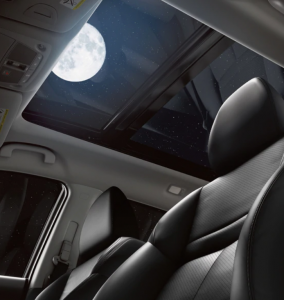
the moon seen trough the sunroof of a car

Taylor's AutoMax-Getting Your Car Ready for a Road Trip

Get an Oil Change If you've been putting off your oil change, then it's time to put an end to it. Oil is essential to your engine's smooth operation, and in order for the oil to move efficiently through your engine, then it must be changed regularly. Without a regular oil change, sludge can build up in your engine, and that sludge can require an expensive cleaning or even that some parts are replaced. Driving far when you need an oil change can significantly damage your engine. The last thing you need is for that damage to cause a breakdown hundreds of miles from home. Have Your Brakes Checked Safety is essential any time you enter your vehicle, and your brakes are central to ensuring a safe road trip. Over time, your brake pads can become thin and ineffective. Sometimes your brakes will warn you that they're becoming too thin when they screech or squeal. If you're hearing that sound, then you need to have your brakes checked and potentially replaced before your long journey. Most brakes should last between 25,000 and 70,000 miles. more Check Fluids Your vehicle's fluids are crucial to a smooth and safe operation. Before you hop on the road for your road trip, check these fluids, especially if you have passed the fluid's associated mileage marker: Radiator fluid: This fluid keeps your engine cool by pulling heat from your engine and releasing it through the radiator. Top off this fluid before your trip, and flush the entire system every 50,000 miles. Brake fluid: Every time you push your brake pedal, brake fluid forces the brake pads to clamp. You should top off brake fluid regularly and flush it every 36,000 miles. Power steering fluid: This fluid helps you easily turn your steering wheel. To keep this fluid from being contaminated and making it harder to turn your steering wheel, you should have this system checked every 24,000 miles. Inspect Your Tires Nothing will ruin your road trip like a blown tire. Before you leave, you should check both your tire pressure and your tire tread. If you haven't rotated your tires in the past 5,000 to 8,000 miles, then you should have them rotated to guarantee even wear. If you've had your tires for more than 50,000 miles, they may need to be replaced. Fresh tires will also improve your gas mileage and save you a few bucks in fuel costs. Test Your Vehicle's Battery If you don't want to have your car die at a rest stop in the middle of nowhere, then you should test your battery before you leave, especially if the battery is older than three years. If you're planning on taking your trip in the summer, testing your battery is even more important since the heat can evaporate battery fluid and lead to more battery damage. Don't let vehicle issues ruin this upcoming road trip. To guarantee your car is ready for your journey, come to Taylor's AutoMax. Image by Nissan.com

Hand driving on steering wheel

4 Car Safety Tips Everyone Should Know

For those of us who spend a large chunk of our day behind the wheel, driving becomes second nature, and often we forget about safe practices along the way. By incorporating a few simple steps into your routine, you could save a life, be it your own or your passengers, in the event of a collision. Reduce your risk while out on the road with these four safety tips that every driver should know. Wear Your Seat Belt Ever since you can remember, mom and dad have told you to buckle your seat belt. Now that you're in the driver's seat, practicing this basic rule can mean the difference between an afternoon is cruising with friends or one spent in the hospital. The National Highway Transportation Safety Administration (NHTSA) reports that buckling up is the most effective step you can take to protect yourself in a crash. While most states have passed laws mandating seat belt usage, the NHTSA reported that they saved an estimated 14,955 lives in 2017 alone. more Check Car Seats Young passengers need special protection when riding in the car. Routinely check child seats and boosters to ensure they are correctly installed to prevent injuries during a wreck. According to the Centers for Disease Control and Prevention, a car seat reduces the risk of your child dying in a car accident by 71%. Most late-model vehicles include a set of upper and lower fasteners to buckle in car seats securely. Always use a seat that's appropriate for the child's age, height, and weight and replace them immediately as your child outgrows it. Buying a new car seat can seem overwhelming, as there are dozens of options on the shelves. Refer to WebMD's website for help choosing between rear- or forward-facing seat or a booster and consider having your local fire station install it for you. Don't Multitask From texting to eating on the run, multitasking takes your attention away from the task at hand. Even the use of in-vehicle technologies like navigation systems and the radio can divert your eyes long enough to cause an accident. Set your route and dial in your favorite station before you hit the gas. Only make calls or send texts once you've arrived, or pull over if you need to contact someone right away. If the kids are fighting, do your best to ignore them until you've come to a complete stop. Pack an Emergency Kit Emergencies happen when you least expect them, and safe drivers want to be prepared. A plastic bin stowed away in the trunk, filled with supplies, can aid in getting help, making minor repairs, and signaling your troubles to other drivers. Consider packing a spare cell phone and battery pack, a first aid kit, jumper cables, a flashlight, and a pair of work gloves. Pack additional items during the winter, such as a windshield scraper, a blanket, and a small folding shovel. No matter how skilled a driver you are, do your part to keep the roadways safe. Practice these steps to help stay safe on the road and arrive alive. Image by Pixabay @Free-Photos

Contact Us

Fill out this form below and we'll contact you shortly
*Required Fields