






Browse our handpicked selection of vehicles that currently carry a very favorable book value in relation to where they are priced.
If you are looking for a vehicle that could help relieve some negative equity pain in your current vehicle, these selections could help get you on your way.
Maybe you just want to make a great buy and purchase a vehicle priced well under current book value. Taylor's AutoMax is here to help! Click here!
Sincerely,
Your Taylor's Auto Max Team
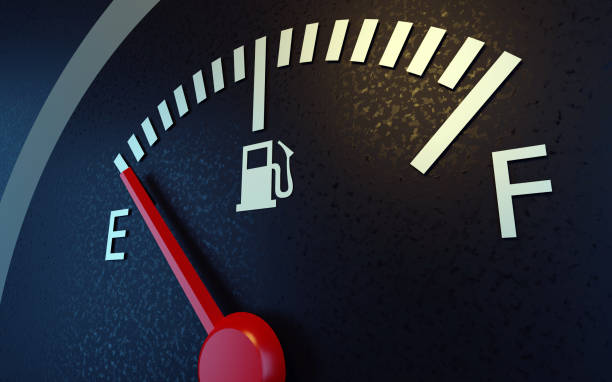
1. Give your Tires the Attention they Need
Saves up to 8 cents per gallon.
One of the easiest ways to improve fuel economy is make sure your vehicle’s tires are properly inflated. A recent report from the Rubber Manufactures Association, the national trade association for tire manufacturers, revealed that only one of every six vehicles on the road today have their tires inflated correctly. This error can not only negatively impact your fuel economy, but it can also cause improper tire wear and vehicle handling. According to the National Highway Traffic Safety Administration, improperly inflated tires contribute to more than 600 fatalities and 33,000 injuries annually in the United States. In addition to inflating your tires correctly, getting your tires rotated and balanced will also help to improve gas mileage. Always check your tire pressure in cool conditions, ideally when the vehicle has been sitting in shaded conditions for at least 8 hours.
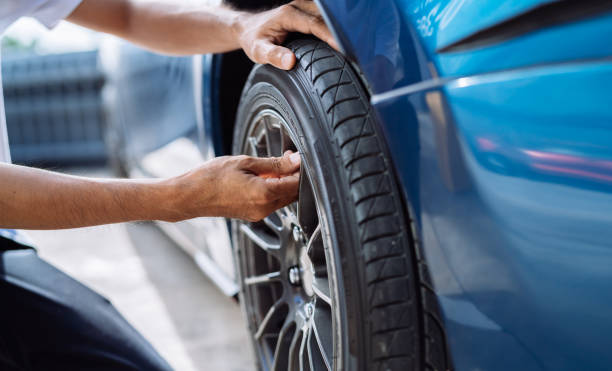
2. Get the Junk out of the Trunk
Saves up to 6 cents per gallon.
Cleaning your vehicle of any extra, unneeded items can also be an easy way to improve your vehicle’s gas milage. By reducing the weight in your vehicle, you can instantly increase your fuel economy. There are some items you should always keep in your car, like an emergency kit, jumper cables, and a spare tire. However, as little as 100 pounds can reduce your fuel economy. Clearing out unnecessary and unused items like forgotten backpacks, books, and work out equipment can help lighten the weight. The lightened load will also put less stress and strain on your vehicle’s components and systems, such as the engine and the brakes. Add-ons like bike racks, cargo racks, and roof racks can also be removed, and rear-mounted cargo racks are a better option if you need to haul additional items. At highway speeds, roof-mounted cargo boxes can reduce fuel economy by 6-17%, while their rear-mounted counterparts typically have a 1-5% impact.

3. Turn Off your Engine
Saves up to 2 cents per gallon for every 2 minutes.
Another easy way to save money on fuel economy is to simply turn off your car’s engine when idling. Idling refers to a running vehicle that’s not in motion, including stopping for a traffic light for over 30 seconds. You may have noticed that some newer vehicle models already feature a stop-start system. This allows cars to conserve fuel by automatically shutting down the engine when the car comes to a stop, and the engine will automatically restart when the brake is released. Idling uses more fuel than restarting your vehicle, and gives off 80% more pollution than when your car is in motion. Another fun fact – you don’t need to “warm up” your engine before you hit the road, it’s just a myth that costs you money! Auto experts say that you shouldn’t take more than 30 seconds to warm up your car in the winter months. The engine will warm up faster as it’s being driven, and it’s better to turn your engine off and start it again than to leave it idling.

4. Use the Ideal Motor Oil for your Vehicle
Saves up to 5 cents per gallon.
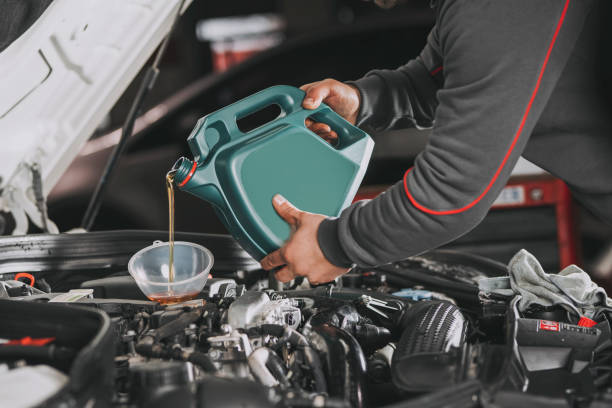
Whether you decide to have a professional handle your oil changes or you prefer to do it yourself, be sure that you are using the best motor oil for your specific vehicle. There are a few primary engine oil types to choose from, including Conventional Oil, Synthetic Oil, Synthetic Blend Oil, and High Mileage Oil. There are also many factors you should consider for your vehicle’s oil, like the age of your vehicle, your own driving style, and the climate where you drive. Always follow the vehicles owner’s manual to determine the proper viscosity grade, engine oil specification, and oil drain interval. If you’re still not sure what oil to choose for your vehicle, and specifically which option is best for your fuel economy, you can book an appointment with one of our highly knowledgeable and friendly Service team members.
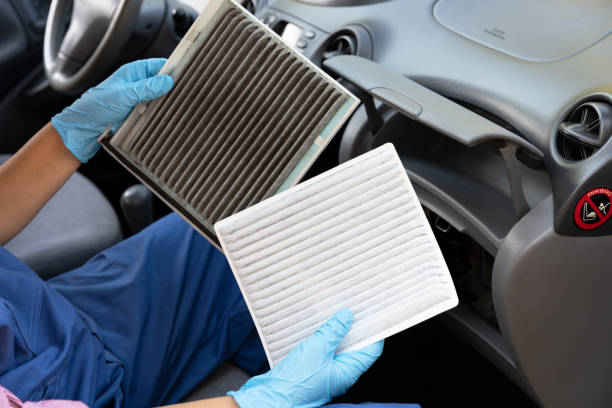
5. Replace your Dirty Air Filters
Saves up to 15% of fuel consumption.
Your vehicle’s system traps contaminants in an air filter made up of paper and synthetic fibers. Over time, the filter becomes filled with dirt and debris, preventing the engine from breathing properly. As a result, the engine will have to work harder and use more fuel. Replacing your engine’s air filter will restore the vehicle’s performance and efficiency, while improving the driving ability of the car and its gas milage. Not only does a dirty air filter cost you more money at the pump, it also jeopardizes the vehicle’s engine. The best rule of thumb is to check your air filter once a year, and exchange your air filter according to the manufacturer’s specifications in the vehicle’s owner’s manual.
6. Give your Breaks a Break
Saves up to 99 cents per gallon.
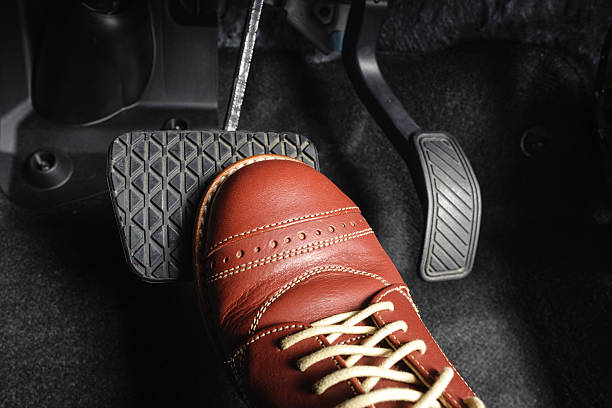
If you find your left foot constantly pressing on the breaks while you’re driving, you’re causing a lot more damage than you think. Firstly, doing this will wear down the pads and rotors prematurely. Secondly, forcing your car to take sudden stops and quick accelerations can stress your vehicle’s system, causing it to use more energy and fuel to drive and to stop. Of course, sudden braking can’t always be avoided, but it should only be used when necessary. Instead, when approaching a traffic light or stop sign, take your foot off the accelerator and wait before applying the breaks by allowing your vehicle to slow down on its own. Not only will your car appreciate the stress taken off the breaks, but your passengers will enjoy a smoother ride as well! If you’re unsure about the performance of your breaks, you can schedule an appointment with our talented Service Team here to make sure you’re driving safely and efficiently.
7. Consider a Front-End Alignment
Saves up to 28 cents per gallon.
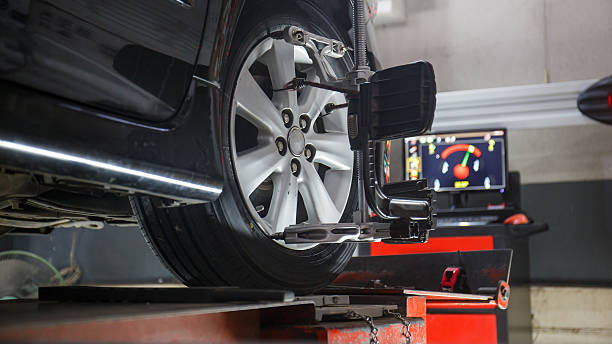
We’ve all braced ourselves from the impact of hitting a pothole while driving in our vehicle. Over time, these impacts to our cars lead to a misalignment in the wheel system. Instead of rolling freely, misaligned tires drag along the road. A misaligned vehicle reduces mileage, causes premature tire wear, and forces your engine to work harder than usual. Fixing the issue will help improve steering, give you and your passengers a smoother ride, allow your tires to have a longer life-span, and can help keep your car out of the shop with fewer auto repairs. If you notice your car pulling to one side of the road while driving, or you can feel vibrations while driving, it may be time for a wheel alignment.
8. Fill your Tank Early or Late
Saves up to 8 cents per gallon.
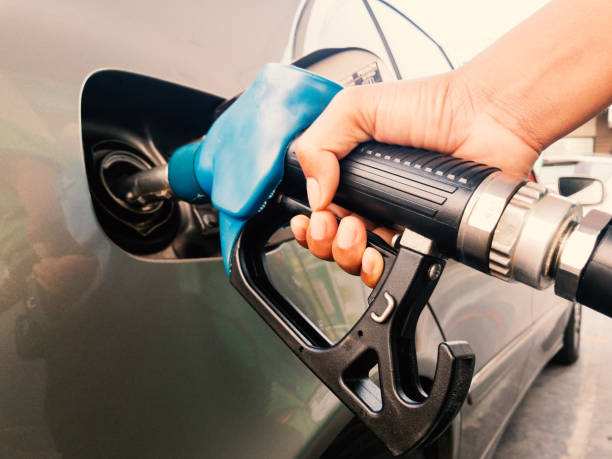
Car fuel is dispensed by volume and gasoline, like all liquids, expands when heated. Because of this, gasoline will be denser in the cool temperatures of the early morning or late evening. The dense fuel will allow your vehicle to run longer on the same amount of fuel pumped into the car.
9. Keep Up with Maintenance
Saves up to 4% on fuel economy.
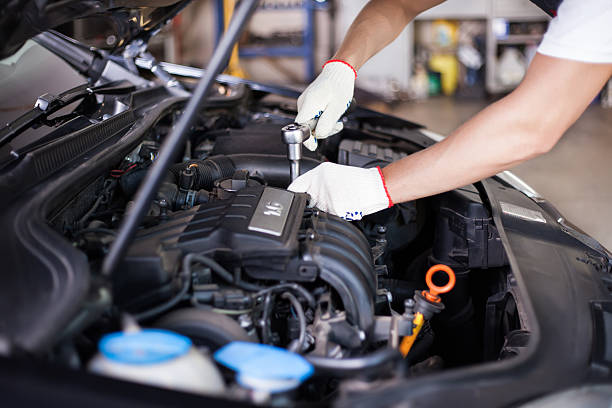
One of the best ways to improve your gas mileage is to keep your car in great shape. A faulty engine or failed emissions test can drain your fuel tank. ExxonMobil claims that regular tune-ups can increase efficiency by 4%. AAA puts this percentage much higher, saying that significant engine problems can cause you to use up to 50% more fuel. Ensuring your vehicle is running at its best performance level will not only help your fuel economy, but will also improve the driving ability and the car’s financial value. Our Service Team at Taylor’s Auto Max can diagnose any auto repairs needed and make sure that your car is operating at it’s very best. Click here to schedule an appointment.
10. Take it Slow and Enjoy the Ride
Saves up to 20 cents per gallon.
When driving somewhere, most of us have a destination to get to or people to see. Usually, we want to get to our stop as quickly as possible, but constantly leading the pack on the road can cause your fuel economy to decrease. When you regularly demand your vehicle to accelerate quickly, you force your engine to work harder than it needs to. Aside from quick accelerations, if you simply lower your overall speed, you will notice your fuel can be stretched further. According to Integrity First Car Pros, you can save around 7% on fuel consumption for every 5-mph reduced. Driving along an open road in the beautiful state of Montana is an experience you shouldn’t rush.

Sources:
https://www.ncconsumer.org/news-articles-eg/properly-inflated-tires-save-money-and-lives.html
https://www.gmfinancial.com/en-us/financial-resources/articles/improve-fuel-efficiency.html
https://www.firestonecompleteautocare.com/blog/oil-change/how-to-pick-the-best-motor-oil/#
https://brakeexperts.com/why-does-braking-use-fuel/
https://www.pgfilters.com/blog/can-replacing-air-filter-improve-gas-mileage/
https://www.firestonecompleteautocare.com/blog/alignment/benefits-of-wheel-alignment/
https://www.ndtv.com/business/petrol-diesel-why-you-should-refuel-in-the-morning-387240
https://www.integrity1auto.com/9-tips-to-increase-gas-mileage-up-to-45-percent/
Connect with us


