






Browse our handpicked selection of vehicles that currently carry a very favorable book value in relation to where they are priced.
If you are looking for a vehicle that could help relieve some negative equity pain in your current vehicle, these selections could help get you on your way.
Maybe you just want to make a great buy and purchase a vehicle priced well under current book value. Taylor's AutoMax is here to help! Click here!
Sincerely,
Your Taylor's Auto Max Team
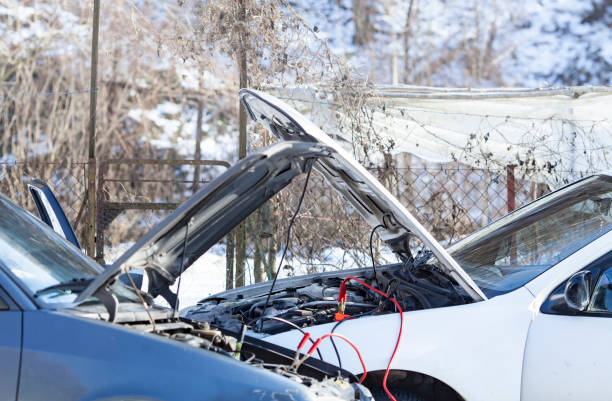
With the weather beginning to change in Central Montana, Taylor’s Auto Max Buick, GMC, Nissan would like to pass along our guide on how to jumpstart a vehicle’s dead battery, to get you and your passengers back on the road. If you’re lucky, and take proper care of your car, you could go years without having to jumpstart your vehicle. A dead battery can be a headache, but with the proper equipment and know-how, the problem can be easily fixed.
The two items you’ll need to get your car back on the road are jumper cables and another vehicle with a working battery.
Step 1: Jumper Cables
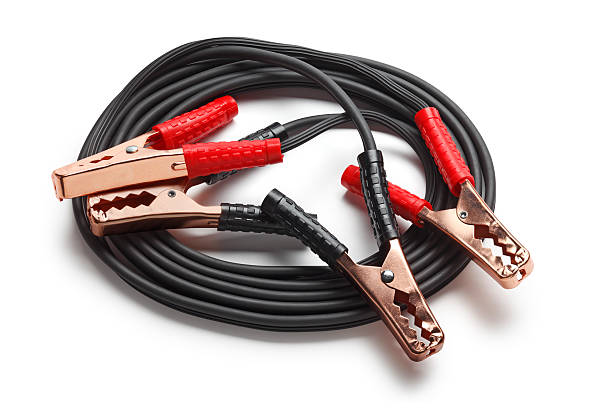
The first step in the process will only need to be done once if you decide to invest in a good pair of jumper cables. Today, very few new vehicles come equipped with a pair of jumper cables, so if you don’t already own a pair, the first thing you should do after purchasing your new car, is get yourself a good pair of cables to keep stored in your vehicle. The cables should be thick, with adequate insulation and clean metal clamps. Some jumper cables will even come with a chart or instructions reminding you of the proper order in which to connect them. Universally, the red side of the cable represents the positive end, and the black cable is the negative end. Make sure your jumper cables are in good condition, and are unwound and untangled before you begin the next steps.
Step 2: Locate the Battery

Park the two cars close to each other and turn both vehicles completely off. Open the hood of each car to locate each battery and the positive and negative terminals on each one. In some cases, the battery may be hidden, with remote positive and negative posts provided for jump-starting instead. The positive terminal will be marked with a plus sign (+) and the negative terminal will be marked with a minus sign (-). If there is no symbol indicator, the positive terminal will be connected by a red cable and the negative terminal will be connected with a black cable.
Step 3: Connect the Cables
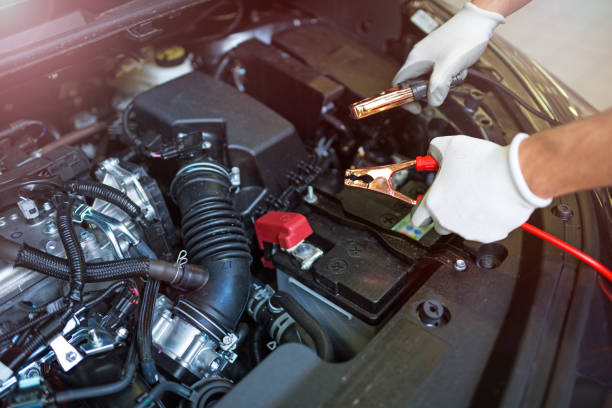
Before beginning to connect the cables to either vehicle, make sure the clamps of the jumper cables NEVER touch each other. If you have someone assisting you, have them hold one end of the cables, with the positive and negative clamps in each hand, and be sure to remind them to never let the ends touch each other. Clamp one of the positive (red) jumper cable ends to the dead battery’s positive battery terminal. Be sure the clamp firmly “bites” onto the battery terminal to provide a strong electrical connection, and prevent the cables from coming unclamped. If there is corrosion on the terminal, twist the jaws of the clamp until it cuts through the corrosion and into the metal. While connecting the cables, make sure the metal ends of the cables don’t dangle into the engine compartment causing internal damage, or on the outside of the car where the clamps could scratch the vehicle and its paint.
Before moving to the other car to make connections, make sure the matching negative (black) cable clamp is not touching ANY metal surfaces. Next, clamp the other end of the positive jumper cable to the positive battery terminal in the car with the working battery. Confirm both cables are connected to terminals with the positive symbol (+), and then connect the negative cable end to the negative battery terminal on the same “booster” car. Now that the negative cable is connected to the battery terminal, you can attach the other end (on the dead battery car) to an unpainted metal surface on the engine. If a labeled remote negative terminal is available, use it. Otherwise, find an unpainted bolt or bracket that is at least several inches away from the dead battery to clamp the negative jumper cable end onto. This will provide a solid ground while reducing the possibility of sparking.
Step 4: Start the Booster Car

Make a final check to confirm that the jumper cables are not near any moving engine parts and are firmly clamped to each battery where they should be. Start the vehicle with the working battery and let it idle for several minutes to build up a sufficient charge to revive the dead battery. If the dead battery is new and was drained by the car lights being left on for an extended period of time, the car with the dead battery will likely start back up after a quick charge. If it is an old battery or if the car sat without the engine being started for an extended period of time (more than a month), it may take longer for the battery to charge and start. It sometimes helps to rev the engine on the car providing the jump a little to help hurry the process along.
Step 5: Start the Dead Car
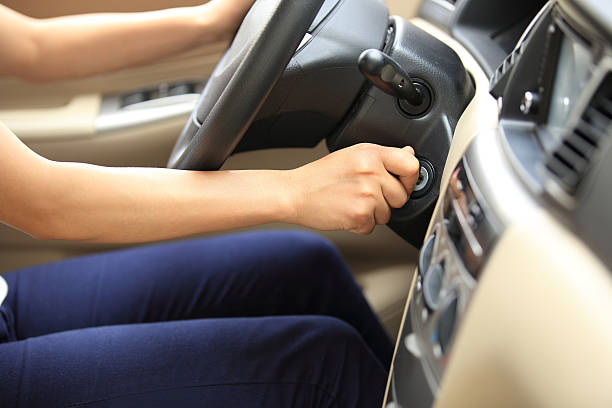
Now that the dead battery has had some time to charge, try starting the vehicle with the dead battery, and let the two vehicles sit idle for a few more minutes. If the vehicle won’t start, but it does crank quickly, start looking for other problems, such as an empty gas tank.
Step 6: Remove the Cables
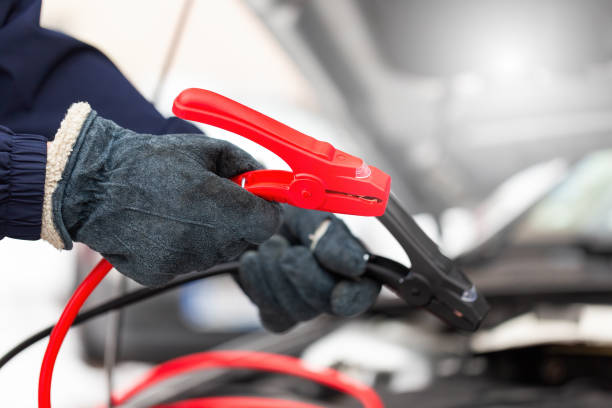
Once the jump-started vehicle is running smoothly, carefully disconnect the jumper cables in the reverse order you connected them in. The first cable you’ll remove (the negative end attached to the formerly dead battery) is the most critical. After the negative cable is removed from the dead battery car, you should remove the other negative cable from the booster car, then the positive end from the same vehicle, and lastly, the positive cable from the previously dead battery car. Make sure you or your helper holds the cable away from any metal and from the other clamps while disconnecting them. After all the cables have been removed, you can roll up the jumper cables and store them in a safe place.
Step 7: Drive
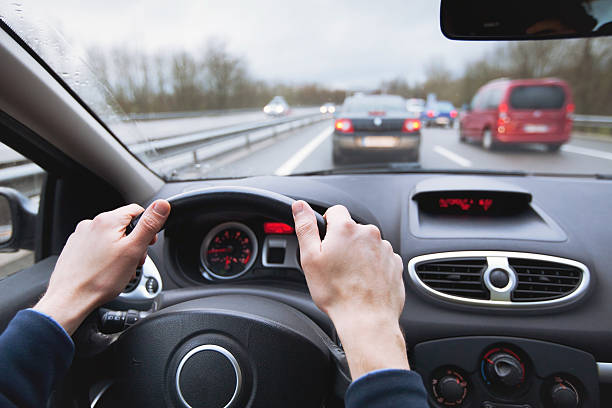
Now that the car’s dead battery issue has been temporarily resolved, drive the vehicle you just jump-started for at least 20 minutes so its alternator can recharge the battery. When you are ready to turn your vehicle off again, make sure you are somewhere safe before shutting down the engine because, depending on the battery’s condition and the health of the alternator, the car might need to be jump-started again. If the battery that you’ve jump-started is more than three years old, consider having the battery tested at an auto parts store. If other problems in the car resulted in the dead battery, take the vehicle to a mechanic for inspection.
To speak to a member of the Taylor’s Auto Max Service Department, you can schedule an appointment online.
Sources:
https://www.homedepot.com/c/ah/how-to-jump-start-a-car/9ba683603be9fa5395fab902aba9450
https://www.edmunds.com/how-to/jump-start.html
https://www.honkforhelp.com/explore/2015/how-to-jump-start-a-car/
Connect with us


