





Best Buys
Blog / Tips

Blog

All Tips Community Nissan Models Taylor's Auto Max Video Blog 2019 Model Fun Facts Travel Nissan Taylor's Service Max Car Comparisons 2019 Nissan Armada 2020 Models GMC News 2019 Nissan Rogue 2022 Model Buick Buick Model Sales Events

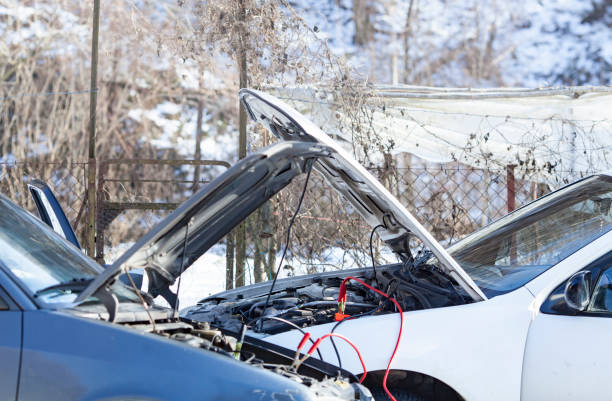
How to Jumpstart your Car in 7 Steps

With the weather beginning to change in Central Montana, Taylor's Auto Max Buick, GMC, Nissan would like to pass along our guide on how to jumpstart a vehicle's dead battery, to get you and your passengers back on the road. If you’re lucky, and take proper care of your car, you could go years without having to jumpstart your vehicle. A dead battery can be a headache, but with the proper equipment and know-how, the problem can be easily fixed. The two items you’ll need to get your car back on the road are jumper cables and another vehicle with a working battery. more Step 1: Jumper Cables Image Source: https://www.istockphoto.com/ The first step in the process will only need to be done once if you decide to invest in a good pair of jumper cables. Today, very few new vehicles come equipped with a pair of jumper cables, so if you don’t already own a pair, the first thing you should do after purchasing your new car, is get yourself a good pair of cables to keep stored in your vehicle. The cables should be thick, with adequate insulation and clean metal clamps. Some jumper cables will even come with a chart or instructions reminding you of the proper order in which to connect them. Universally, the red side of the cable represents the positive end, and the black cable is the negative end. Make sure your jumper cables are in good condition, and are unwound and untangled before you begin the next steps. Step 2: Locate the Battery Image Source: https://www.istockphoto.com/ Park the two cars close to each other and turn both vehicles completely off. Open the hood of each car to locate each battery and the positive and negative terminals on each one. In some cases, the battery may be hidden, with remote positive and negative posts provided for jump-starting instead.  The positive terminal will be marked with a plus sign (+) and the negative terminal will be marked with a minus sign (-). If there is no symbol indicator, the positive terminal will be connected by a red cable and the negative terminal will be connected with a black cable. Step 3: Connect the Cables Image Source: https://www.istockphoto.com/ Before beginning to connect the cables to either vehicle, make sure the clamps of the jumper cables NEVER touch each other. If you have someone assisting you, have them hold one end of the cables, with the positive and negative clamps in each hand, and be sure to remind them to never let the ends touch each other. Clamp one of the positive (red) jumper cable ends to the dead battery’s positive battery terminal. Be sure the clamp firmly “bites” onto the battery terminal to provide a strong electrical connection, and prevent the cables from coming unclamped. If there is corrosion on the terminal, twist the jaws of the clamp until it cuts through the corrosion and into the metal. While connecting the cables, make sure the metal ends of the cables don’t dangle into the engine compartment causing internal damage, or on the outside of the car where the clamps could scratch the vehicle and its paint. Before moving to the other car to make connections, make sure the matching negative (black) cable clamp is not touching ANY metal surfaces. Next, clamp the other end of the positive jumper cable to the positive battery terminal in the car with the working battery. Confirm both cables are connected to terminals with the positive symbol (+), and then connect the negative cable end to the negative battery terminal on the same “booster” car. Now that the negative cable is connected to the battery terminal, you can attach the other end (on the dead battery car) to an unpainted metal surface on the engine. If a labeled remote negative terminal is available, use it. Otherwise, find an unpainted bolt or bracket that is at least several inches away from the dead battery to clamp the negative jumper cable end onto. This will provide a solid ground while reducing the possibility of sparking. Step 4: Start the Booster Car Image Source: https://www.istockphoto.com/ Make a final check to confirm that the jumper cables are not near any moving engine parts and are firmly clamped to each battery where they should be. Start the vehicle with the working battery and let it idle for several minutes to build up a sufficient charge to revive the dead battery. If the dead battery is new and was drained by the car lights being left on for an extended period of time, the car with the dead battery will likely start back up after a quick charge. If it is an old battery or if the car sat without the engine being started for an extended period of time (more than a month), it may take longer for the battery to charge and start. It sometimes helps to rev the engine on the car providing the jump a little to help hurry the process along. Step 5: Start the Dead Car Image Source: https://www.istockphoto.com/ Now that the dead battery has had some time to charge, try starting the vehicle with the dead battery, and let the two vehicles sit idle for a few more minutes. If the vehicle won’t start, but it does crank quickly, start looking for other problems, such as an empty gas tank. Step 6: Remove the Cables Image Source: https://www.istockphoto.com/ Once the jump-started vehicle is running smoothly, carefully disconnect the jumper cables in the reverse order you connected them in. The first cable you’ll remove (the negative end attached to the formerly dead battery) is the most critical. After the negative cable is removed from the dead battery car, you should remove the other negative cable from the booster car, then the positive end from the same vehicle, and lastly, the positive cable from the previously dead battery car. Make sure you or your helper holds the cable away from any metal and from the other clamps while disconnecting them. After all the cables have been removed, you can roll up the jumper cables and store them in a safe place. Step 7: Drive Image Source: https://www.istockphoto.com/ Now that the car’s dead battery issue has been temporarily resolved, drive the vehicle you just jump-started for at least 20 minutes so its alternator can recharge the battery. When you are ready to turn your vehicle off again, make sure you are somewhere safe before shutting down the engine because, depending on the battery’s condition and the health of the alternator, the car might need to be jump-started again. If the battery that you’ve jump-started is more than three years old, consider having the battery tested at an auto parts store. If other problems in the car resulted in the dead battery, take the vehicle to a mechanic for inspection. To speak to a member of the Taylor's Auto Max Service Department, you can schedule an appointment online. Sources: https://www.homedepot.com/c/ah/how-to-jump-start-a-car/9ba683603be9fa5395fab902aba9450 https://www.edmunds.com/how-to/jump-start.html https://www.honkforhelp.com/explore/2015/how-to-jump-start-a-car/
10 Tips for Improving your Gas Mileage

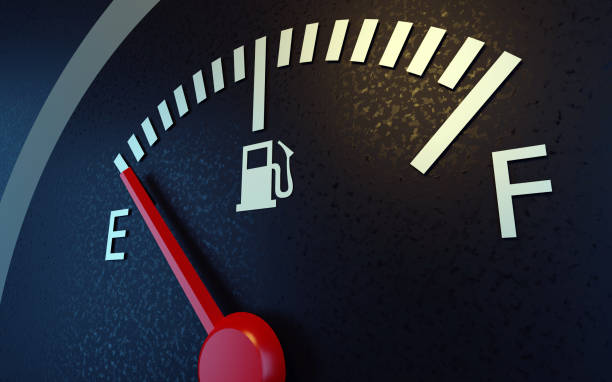
Image Source: https://www.istockphoto.com more 1. Give your Tires the Attention they Need Saves up to 8 cents per gallon. One of the easiest ways to improve fuel economy is make sure your vehicle’s tires are properly inflated. A recent report from the Rubber Manufactures Association, the national trade association for tire manufacturers, revealed that only one of every six vehicles on the road today have their tires inflated correctly. This error can not only negatively impact your fuel economy, but it can also cause improper tire wear and vehicle handling. According to the National Highway Traffic Safety Administration, improperly inflated tires contribute to more than 600 fatalities and 33,000 injuries annually in the United States. In addition to inflating your tires correctly, getting your tires rotated and balanced will also help to improve gas mileage. Always check your tire pressure in cool conditions, ideally when the vehicle has been sitting in shaded conditions for at least 8 hours. Image Source: https://www.istockphoto.com 2. Get the Junk out of the Trunk Saves up to 6 cents per gallon. Cleaning your vehicle of any extra, unneeded items can also be an easy way to improve your vehicle’s gas milage. By reducing the weight in your vehicle, you can instantly increase your fuel economy. There are some items you should always keep in your car, like an emergency kit, jumper cables, and a spare tire. However, as little as 100 pounds can reduce your fuel economy. Clearing out unnecessary and unused items like forgotten backpacks, books, and work out equipment can help lighten the weight. The lightened load will also put less stress and strain on your vehicle’s components and systems, such as the engine and the brakes.  Add-ons like bike racks, cargo racks, and roof racks can also be removed, and rear-mounted cargo racks are a better option if you need to haul additional items. At highway speeds, roof-mounted cargo boxes can reduce fuel economy by 6-17%, while their rear-mounted counterparts typically have a 1-5% impact. Image Source: https://www.istockphoto.com 3. Turn Off your Engine Saves up to 2 cents per gallon for every 2 minutes. Another easy way to save money on fuel economy is to simply turn off your car’s engine when idling. Idling refers to a running vehicle that’s not in motion, including stopping for a traffic light for over 30 seconds. You may have noticed that some newer vehicle models already feature a stop-start system. This allows cars to conserve fuel by automatically shutting down the engine when the car comes to a stop, and the engine will automatically restart when the brake is released. Idling uses more fuel than restarting your vehicle, and gives off 80% more pollution than when your car is in motion. Another fun fact – you don’t need to “warm up” your engine before you hit the road, it’s just a myth that costs you money! Auto experts say that you shouldn’t take more than 30 seconds to warm up your car in the winter months. The engine will warm up faster as it’s being driven, and it’s better to turn your engine off and start it again than to leave it idling. Image Source: https://www.istockphoto.com 4. Use the Ideal Motor Oil for your Vehicle Saves up to 5 cents per gallon. Whether you decide to have a professional handle your oil changes or you prefer to do it yourself, be sure that you are using the best motor oil for your specific vehicle. There are a few primary engine oil types to choose from, including Conventional Oil, Synthetic Oil, Synthetic Blend Oil, and High Mileage Oil. There are also many factors you should consider for your vehicle’s oil, like the age of your vehicle, your own driving style, and the climate where you drive. Always follow the vehicles owner’s manual to determine the proper viscosity grade, engine oil specification, and oil drain interval. If you’re still not sure what oil to choose for your vehicle, and specifically which option is best for your fuel economy, you can book an appointment with one of our highly knowledgeable and friendly Service team members. Image Source: https://www.istockphoto.com 5. Replace your Dirty Air Filters Saves up to 15% of fuel consumption. Your vehicle’s system traps contaminants in an air filter made up of paper and synthetic fibers. Over time, the filter becomes filled with dirt and debris, preventing the engine from breathing properly. As a result, the engine will have to work harder and use more fuel. Replacing your engine’s air filter will restore the vehicle’s performance and efficiency, while improving the driving ability of the car and its gas milage. Not only does a dirty air filter cost you more money at the pump, it also jeopardizes the vehicle’s engine. The best rule of thumb is to check your air filter once a year, and exchange your air filter according to the manufacturer’s specifications in the vehicle’s owner’s manual. Image Source: https://www.istockphoto.com 6. Give your Breaks a Break Saves up to 99 cents per gallon. If you find your left foot constantly pressing on the breaks while you’re driving, you’re causing a lot more damage than you think. Firstly, doing this will wear down the pads and rotors prematurely. Secondly, forcing your car to take sudden stops and quick accelerations can stress your vehicle’s system, causing it to use more energy and fuel to drive and to stop. Of course, sudden braking can’t always be avoided, but it should only be used when necessary. Instead, when approaching a traffic light or stop sign, take your foot off the accelerator and wait before applying the breaks by allowing your vehicle to slow down on its own. Not only will your car appreciate the stress taken off the breaks, but your passengers will enjoy a smoother ride as well! If you’re unsure about the performance of your breaks, you can schedule an appointment with our talented Service Team here to make sure you’re driving safely and efficiently. Image Source: https://www.istockphoto.com 7. Consider a Front-End Alignment Saves up to 28 cents per gallon. We’ve all braced ourselves from the impact of hitting a pothole while driving in our vehicle. Over time, these impacts to our cars lead to a misalignment in the wheel system. Instead of rolling freely, misaligned tires drag along the road. A misaligned vehicle reduces mileage, causes premature tire wear, and forces your engine to work harder than usual. Fixing the issue will help improve steering, give you and your passengers a smoother ride, allow your tires to have a longer life-span, and can help keep your car out of the shop with fewer auto repairs.  If you notice your car pulling to one side of the road while driving, or you can feel vibrations while driving, it may be time for a wheel alignment. Image Source: https://www.istockphoto.com 8. Fill your Tank Early or Late Saves up to 8 cents per gallon. Car fuel is dispensed by volume and gasoline, like all liquids, expands when heated. Because of this, gasoline will be denser in the cool temperatures of the early morning or late evening. The dense fuel will allow your vehicle to run longer on the same amount of fuel pumped into the car. Image Source: https://www.istockphoto.com 9. Keep Up with Maintenance Saves up to 4% on fuel economy. One of the best ways to improve your gas mileage is to keep your car in great shape. A faulty engine or failed emissions test can drain your fuel tank.  ExxonMobil claims that regular tune-ups can increase efficiency by 4%. AAA puts this percentage much higher, saying that significant engine problems can cause you to use up to 50% more fuel. Ensuring your vehicle is running at its best performance level will not only help your fuel economy, but will also improve the driving ability and the car’s financial value. Our Service Team at Taylor’s Auto Max can diagnose any auto repairs needed and make sure that your car is operating at it’s very best. Click here to schedule an appointment. Image Source: https://www.istockphoto.com 10. Take it Slow and Enjoy the Ride Saves up to 20 cents per gallon. When driving somewhere, most of us have a destination to get to or people to see. Usually, we want to get to our stop as quickly as possible, but constantly leading the pack on the road can cause your fuel economy to decrease. When you regularly demand your vehicle to accelerate quickly, you force your engine to work harder than it needs to. Aside from quick accelerations, if you simply lower your overall speed, you will notice your fuel can be stretched further. According to Integrity First Car Pros, you can save around 7% on fuel consumption for every 5-mph reduced. Driving along an open road in the beautiful state of Montana is an experience you shouldn’t rush. Image Source: https://www.istockphoto.com Sources: https://www.ncconsumer.org/news-articles-eg/properly-inflated-tires-save-money-and-lives.html https://www.gmfinancial.com/en-us/financial-resources/articles/improve-fuel-efficiency.html https://www.washingtonpost.com/news/wonk/wp/2014/12/29/the-biggest-winter-energy-myth-that-you-need-to-idle-your-car-before-driving/ https://www.firestonecompleteautocare.com/blog/oil-change/how-to-pick-the-best-motor-oil/# https://brakeexperts.com/why-does-braking-use-fuel/ https://www.pgfilters.com/blog/can-replacing-air-filter-improve-gas-mileage/ https://www.firestonecompleteautocare.com/blog/alignment/benefits-of-wheel-alignment/ https://www.ndtv.com/business/petrol-diesel-why-you-should-refuel-in-the-morning-387240 https://www.integrity1auto.com/9-tips-to-increase-gas-mileage-up-to-45-percent/

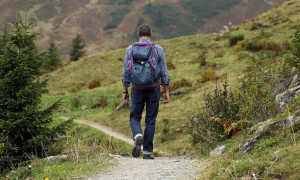
man walking a trail in the mountains

Best Outdoor Places and Things to Do in Montana

Going-to-the-Sun Road Looking for a scenic drive this weekend? Then head to Glacier National Park and hop on Going-to-the-Sun Road, one of the most famous scenic drives in the nation. Going-to-the-Sun Road is a 52-mile highway that winds through Glacier and gives you a spectacular view of the mountain slopes, snowcapped peaks, and shimmering lakes. This drive is perfect for a weekend getaway that will allow you to see the best of Montana. more Highline Trail Montana is famous for its glaciers, and you can hike in the footprints of these natural marvels. The Highline Trail is an 11.4-mile hike that climbs parallel to the Garden Wall along Logan Pass. This hike will take you through alpine meadows, beside streams and creeks, past avalanche chutes, and within view of a wide variety of wild animals. This hike may push you as the trail becomes steep at times, especially as you travel over the saddle separating Haystack Butte and Mt. Gould. The views, though, are worth the effort. You can start the Highline Trail across from the Logan Pass Visitor Center Parking Lot, or you can start at the Loop, which will give you a more uphill hike that will take you up to Logan Pass. Swan River Nature Trail Maybe a hike on Highline is a bit daunting after a long week's work. But what about a nice, flat trail for a leisurely bike ride or an afternoon walk? The Swan River Nature Trail starts at Grand Drive in Bigfork and takes you along the gentle Swan River, through the trees, and against the magnificent mountainside. Take a break along the side of the trail for an afternoon picnic. Glacier Raft Company If you're feeling particularly adventurous, then head to Glacier Raft Company and take to Montana's famous rivers. Located at 106 Going-to-the-Sun Road in West Glacier, Glacier Raft Company offers multiple river-rafting experiences to fit your preference. If you want a more relaxing journey down the river, opt for a scenic float, perfect for families with small children or for anyone looking for a rafting experience with less effort. Upgrade to a half-day tour and you'll enjoy the grandeur of Glacier National Park while also experiencing the exhilaration of white-water-rafting and the tour's class II and III rapids. If a half-day just isn't enough, then Glacier Raft Company also offers a full-day trip with even more breathtaking scenery and exciting rapids. When you've had a long week at work or home and just need some rejuvenation in the outdoors, these places and activities unique to Montana can scratch that itch better than anything. Just make sure that your vehicle is ready for the trip by having it serviced at Taylor's AutoMax.   Image By Pixabay @hermann

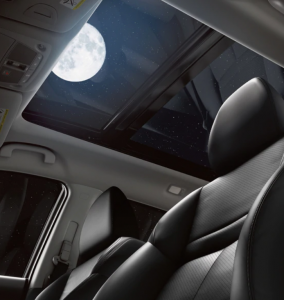
the moon seen trough the sunroof of a car

Taylor's AutoMax-Getting Your Car Ready for a Road Trip

Get an Oil Change If you've been putting off your oil change, then it's time to put an end to it. Oil is essential to your engine's smooth operation, and in order for the oil to move efficiently through your engine, then it must be changed regularly. Without a regular oil change, sludge can build up in your engine, and that sludge can require an expensive cleaning or even that some parts are replaced. Driving far when you need an oil change can significantly damage your engine. The last thing you need is for that damage to cause a breakdown hundreds of miles from home. Have Your Brakes Checked Safety is essential any time you enter your vehicle, and your brakes are central to ensuring a safe road trip. Over time, your brake pads can become thin and ineffective. Sometimes your brakes will warn you that they're becoming too thin when they screech or squeal. If you're hearing that sound, then you need to have your brakes checked and potentially replaced before your long journey. Most brakes should last between 25,000 and 70,000 miles. more Check Fluids Your vehicle's fluids are crucial to a smooth and safe operation. Before you hop on the road for your road trip, check these fluids, especially if you have passed the fluid's associated mileage marker: Radiator fluid: This fluid keeps your engine cool by pulling heat from your engine and releasing it through the radiator. Top off this fluid before your trip, and flush the entire system every 50,000 miles. Brake fluid: Every time you push your brake pedal, brake fluid forces the brake pads to clamp. You should top off brake fluid regularly and flush it every 36,000 miles. Power steering fluid: This fluid helps you easily turn your steering wheel. To keep this fluid from being contaminated and making it harder to turn your steering wheel, you should have this system checked every 24,000 miles. Inspect Your Tires Nothing will ruin your road trip like a blown tire. Before you leave, you should check both your tire pressure and your tire tread. If you haven't rotated your tires in the past 5,000 to 8,000 miles, then you should have them rotated to guarantee even wear. If you've had your tires for more than 50,000 miles, they may need to be replaced. Fresh tires will also improve your gas mileage and save you a few bucks in fuel costs. Test Your Vehicle's Battery If you don't want to have your car die at a rest stop in the middle of nowhere, then you should test your battery before you leave, especially if the battery is older than three years. If you're planning on taking your trip in the summer, testing your battery is even more important since the heat can evaporate battery fluid and lead to more battery damage. Don't let vehicle issues ruin this upcoming road trip. To guarantee your car is ready for your journey, come to Taylor's AutoMax. Image by Nissan.com

Hand driving on steering wheel

4 Car Safety Tips Everyone Should Know

For those of us who spend a large chunk of our day behind the wheel, driving becomes second nature, and often we forget about safe practices along the way. By incorporating a few simple steps into your routine, you could save a life, be it your own or your passengers, in the event of a collision. Reduce your risk while out on the road with these four safety tips that every driver should know. Wear Your Seat Belt Ever since you can remember, mom and dad have told you to buckle your seat belt. Now that you're in the driver's seat, practicing this basic rule can mean the difference between an afternoon is cruising with friends or one spent in the hospital. The National Highway Transportation Safety Administration (NHTSA) reports that buckling up is the most effective step you can take to protect yourself in a crash. While most states have passed laws mandating seat belt usage, the NHTSA reported that they saved an estimated 14,955 lives in 2017 alone. more Check Car Seats Young passengers need special protection when riding in the car. Routinely check child seats and boosters to ensure they are correctly installed to prevent injuries during a wreck. According to the Centers for Disease Control and Prevention, a car seat reduces the risk of your child dying in a car accident by 71%. Most late-model vehicles include a set of upper and lower fasteners to buckle in car seats securely. Always use a seat that's appropriate for the child's age, height, and weight and replace them immediately as your child outgrows it. Buying a new car seat can seem overwhelming, as there are dozens of options on the shelves. Refer to WebMD's website for help choosing between rear- or forward-facing seat or a booster and consider having your local fire station install it for you. Don't Multitask From texting to eating on the run, multitasking takes your attention away from the task at hand. Even the use of in-vehicle technologies like navigation systems and the radio can divert your eyes long enough to cause an accident. Set your route and dial in your favorite station before you hit the gas. Only make calls or send texts once you've arrived, or pull over if you need to contact someone right away. If the kids are fighting, do your best to ignore them until you've come to a complete stop. Pack an Emergency Kit Emergencies happen when you least expect them, and safe drivers want to be prepared. A plastic bin stowed away in the trunk, filled with supplies, can aid in getting help, making minor repairs, and signaling your troubles to other drivers. Consider packing a spare cell phone and battery pack, a first aid kit, jumper cables, a flashlight, and a pair of work gloves. Pack additional items during the winter, such as a windshield scraper, a blanket, and a small folding shovel. No matter how skilled a driver you are, do your part to keep the roadways safe. Practice these steps to help stay safe on the road and arrive alive. Image by Pixabay @Free-Photos

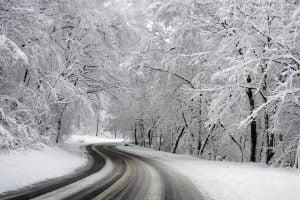
snowy roads in forest

Driving Defensively: Safe Winter Driving

Driving defensively is always smart, particularly in the winter. Snow and ice are unpredictable, and even if you've driven for decades, the conditions can be challenging. Here are some defensive driving tips for this season. Winterize Your Vehicle Regular maintenance is important, and preparing your car for the cold weather and harsh conditions is even more important. Make sure you're coolant is fresh, has anti-freeze properties, and is at the proper level. Water may work in the summer, but it will freeze in the winter and seize up your engine. more Replace worn tires for better traction in snowy and icy conditions. If possible, use a winter tread designed for snow. Check your battery, too. Cold conditions can kill a battery, and the last thing you want is to be stuck somewhere waiting on a tow truck to jump start your battery. Keep jumper cables and other gear you may need in your vehicle. Sand bags in your trunk add weight, but they are also good for spreading over ice to give you better traction. A flashlight, snow shovel, ice scraper, and snow brush are also must haves. Get your car winterized at Taylor's Auto Max of Great Falls, Montana. Practice Braking Find yourself an empty parking lot when the snow or ice is heavy and practice braking. Even drivers of four-wheel drive vehicles should practice. Remember, it's four-wheel drive, not four-wheel stop. Anti-lock brakes act differently than regular brakes. Anti-lock brakes will pump automatically to prevent losing control. Regular brakes will simply skid, so you have to pump them on your own if your car begins to skid. Steer Into a Skid If your vehicle begins to skid, you should steer into it. Remember to pump the brakes in this situation, too. When the brakes lock, the tires aren't moving. Your tires only have traction when they are turning. Increase Your Driving Distance It takes longer to bring your vehicle to a stop with ice and snow on the ground. Leave yourself plenty of space when the weather conditions are at their worst. You should also drive slower when conditions get harsh. Slowing down means you'll stop quicker, even if you begin to skid. Driving in Snow Your vehicle is harder to control in heavy snow. Avoid driving in white-out or blizzard conditions, as your visibility can be severely impaired. It's hard enough to drive in the snow, but if you also can't see, it can be downright dangerous. Prepare for the Worst This is especially important for longer trips to places you're unfamiliar with. In addition to the essential winter items to keep in your car listed above, you should have blankets, warning flares, and medications. If you break down in a remote area, don't run your car constantly. Bundle up under your blanket, and only run the vehicle enough to keep it warm until help arrives. No matter how long you've been driving, it's important to drive defensively when the weather turns wintry. Follow these six tips to stay safer on the roads when Mother Nature has other ideas. Image via pixabay.com

clean air filter and dirty air filter

5 Signs Your Vehicle Needs a New Air Filter

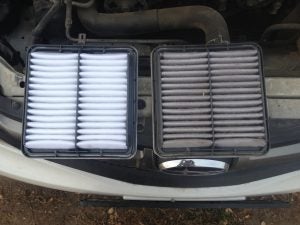
Keeping your vehicle well-maintained helps to keep your overall repair and maintenance costs to a minimum over the years. The importance of changing your air filter is often overlooked, and the crew here at Taylor's Automax wants to help you learn how to tell when you need a new one. Here are five signs that your vehicle needs a new air filter. Reduced Fuel Economy The most obvious sign that your air filter needs to be changed is a change in your fuel economy. When your air filter is clogged, your engine has to compensate for the lack of oxygen it is receiving, which results in lower gas mileage. This change in fuel economy isn't always noticeable immediately, but over time you will notice that you have to gas up your car more often. If you see this happening, it is time to check your air filter and replace it if necessary. more Air Filter Looks Dirty The baseline recommendation for changing your air filter is between ten and fifteen thousand miles. A clean air filter is white, or sometimes off-white, in color. Sometimes dirt and debris are already accumulating before the filter becomes visibly dirty. Once you can see the gunk, it is time for a new air filter. Check Engine Light Is On Most modern car engines filter through 10,000 gallons of air per 1 gallon of fuel. When the air supply is inadequate due to a clogged air filter, carbon deposits are formed. This, in turn, can cause the Check Engine Light to come on. While there are many other reasons that the light can come on, this one is an easy fix. Engine Starts to Make Odd Noises Ideally, when you are in a stopped motion with your car running, there should be no excessive noise. You should only be able to feel a smooth sensation of the car's engine. If you start to hear what is called coughing, or if you hear popping noises, then it could be from a dirty air filter. The reason this happens is that a clogged air filter can damage a spark plug, causing it to make noise. Difficulty Starting Your Car A dirty air filter could also make it more difficult to start your car. When the filter is dirty, the air is unable to get through to the engine, which affects the emission control system of the car. Again, this can cause damage to the spark plugs which causes them to be unable to spark correctly. If you notice your vehicle is having difficulty turning over or just not starting at all, it could be as easy as changing out your air filter. We hope that this was helpful and you keep these five tips in mind when maintaining your car. Visit Taylor's Automax today, and we can help you keep the service of your vehicle up-to-date. A simple exchange of your air filter is usually relatively inexpensive and can make a world of difference when it comes to the performance of your car. Image by Ryan Gsell via CC BY 2.0

4 Impressive Features of the Nissan Rogue

The Nissan Rogue is the comfortable mid-size crossover that offers you an exceptional interior and exterior design. You can check out a few of the most impressive features of the Nissan Rogue below or start shopping for a new or used Nissan Rogue today! Shop Nissan Rogue Lease Specials & Offers in Great Falls, MT New Nissan Rogue Lease Specials New Nissan Lease Specials & Finance Offers All New Nissans For Sale Used Car Offers Modern Exterior Design The Nissan Rogue is practical, yet also modern and stylish. With five exterior trim levels to choose from and enough space to comfortably seat up to five passengers, the Rogue is a great choice for a daily driver. The available motion-activated liftgate makes it easier than ever to load your cargo. Find additional storage with the Nissan Divide-N-Hide cargo system, which keeps your most important belongings secure and hidden. Accommodating Interior Features The interior of the 2019 Nissan Rogue is equipped with Nissan Intelligent Mobility. This package of advanced technology features includes ProPILOT Assist. ProPILOT Assist monitors the road and current traffic conditions, adjusting your speed or even coming to a complete stop when needed. You might actually enjoy your commute in the Rogue with the four-way power, memory, heated, zero gravity front seats. Easily find your intended destination with the door-to-door feature which streams real-time directions based on traffic and location. Manage all of your phone calls and text messages with the hands-free driver infotainment system. Sync your smartphone to the Rogue via Apple CarPlay or Android Auto for a customized music listening experience. Tackle your to-do list with Amazon Alexa or Google Assistant. Smooth Performance The Rogue promises a smooth commute, whether that commute is in stop-and-go traffic or off the beaten path. With features like hill start assist, intelligent trace control, active ride control, and intelligent engine brake, the Nissan Rogue offers you a smooth and comfortable performance. The available intelligent all-wheel-drive system allows you to effortlessly transition from one road condition to another. You can purchase the 2019 Rogue in either a gas or hybrid option. In addition to a hybrid option, the Nissan Rogue also increases your efficiency with the engine idle start/stop technology. This feature automatically turns off the engine at stop lights and then restarts it when you hit the gas pedal, allowing you to conserve energy. You can also monitor your current efficiency ratings, battery level, and power source, all from the 7.0-inch touch-screen energy monitor. Reliable Safety The Nissan Rogue is sure to keep you and your passengers protected, wherever the road might take you. Safety features include automatic emergency braking, rear automatic braking with a rear sonar system, intelligent lane intervention, and intelligent cruise control. The intelligent around-view monitor uses four external cameras to stream a live view of the area directly surrounding your vehicle, assisting you with parking and changing lanes. The Nissan Rogue is also equipped with an advanced air bag system, vehicle dynamic control, a high-strength steel zone body construction, and the Lower Anchors and Tethers for Children (LATCH) safety features. With a comfortable performance, ample cargo space, and up-to-date technologies, the Nissan Rogue has it all. Come by Taylor's AutoMax today to test-drive the impressive Nissan Rogue.

unusual places in montana

Unusual Places in Montana

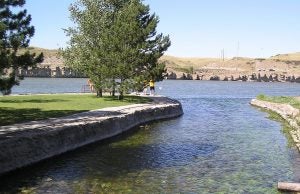
Every state has its own unique and unusual sites, and Montana is no different. Not only is this area of the country known for its beautiful scenery and large national parks, but it also has some quirky local roadside attractions. Check out these unusual places in Montana that you can drive to from the Great Falls area. Hill 57 Hill 57 overlooks the town of Great Falls. Most residents know exactly where the hill stands, but they don't know where it got its name. According to some, It all started in the 1930s when Art Hinck, a local pickle salesman for the Heinz company arranged the whitewashed rocks in the form of the number 57 as an advertisement for the Heinz product line. There are also some people who believe the name for the hill came from James J. Hill, the chief executive officer of the Great Northern Railway. more Big John - Cowboy Muffler Man Big John is a 22-foot tall cowboy that has stood under the Big John Casino sign since 1999 and is one of the Muffler Men that you can see throughout the country. Big John once stood at a hotel along interstate I-94 but he disappeared from that location sometime in 1995 and then soon reappeared in Great Falls in 1999 where he remains. Big John is a cowboy standing with his hands extended down as if he is about to draw his pistols, but he doesn't have any. The Sip 'N Dip Lounge: Mermaids The O'Haire Motor Inn on Seventh Street in S. Great Galls Montana features a wall-size window that allows people in the lounge to see into the pool. On New Year's Eve in 1995, the manager of the Sip 'n Dip and her mother convinced one of the inn's housekeepers to put on a mermaid suit and swim around in the pool. It was such a hit that there are now six mermaids that regularly swim around in the pool entertaining the customers in the bar. The Ringing Rocks About two and a half hours from Great Falls in Pipestone, Montana, there is a large pile of rocks that ring like bells when you hit them with a hammer. The location of the rocks is a bit out of the way out on Road #2, but it is worth the trip. You can get to Road #2 by taking exit 241 off I-90 and following a gravel road that runs almost parallel to the highway for a 3/4 of a mile where you'll find the marker for the road. Make sure to bring a hammer and bear spray. You'll also want to wear comfortable shoes because there is a short walk to get to the rocks from the parking lot. There is a large forest service sign at the entrance describing the rocks when you get to the location, so you'll know you are in the right spot. Check out these fun and unusual places in Montana. You can find some right in Great Falls, and others within a short drive. Image by Tim Evanson via CC BY 2.0

The title card of an infographic describing how to change your oil | Taylor's Auto Max

How to Change Your Oil

A title card for an infographic on jump starting your car | Taylor's Auto Max

How to Jump Start Your Car

Contact Us

Fill out this form below and we'll contact you shortly
*Required Fields