





Best Buys
Blog / Travel

Blog

All Travel Community Nissan Models Tips Taylor's Auto Max Video Blog 2019 Model Fun Facts Nissan Taylor's Service Max Car Comparisons 2019 Nissan Armada 2020 Models GMC News 2019 Nissan Rogue 2022 Model Buick Buick Model Sales Events

Exploring Montana: 20 Quick Trips from Great Falls

It's summertime in Montana and there's no better way to spend the long, hot days than taking a road trip to somewhere new! To help make your summer adventure spectacular, we've complied a list of the 20 best destinations in Montana to visit within driving distance from our home in Central Montana, in order from closest to farthest in distance. Each trip can be made in 4 hours or less from the city of Great Falls. Make a plan to hit multiple stops on the ride, or take your time and spend a weekend at each place to really get the full experience they each have to offer! more 1. Fort Benton - 42 miles (approx. 45 minute drive) Drive through vast open country, past miles of wheat fields, herds of deer and antelope, and enjoy a view where you can see forever in any direction. You'll soon understand why Forbes named Fort Benton as one of the fifteen "prettiest towns in America" and National Geographic Traveler recommends visiting Fort Benton. If you love history, Fort Benton is definitely a place you'll want to check out! The city's waterfront area, the most important aspect of its 19th century growth, was designated the Fort Benton Historic District, a National Historic Landmark, in 1961. The city features museums and historic sites like the Historic Old Fort Benton, The Starr Gallery of Western Art, The Museum of the Northern Great Plains, The Hornaday Smithsonian Buffalo and Dean & Donna Strand Western Art Gallery, the Homestead Village, The Museum of the Upper Missouri, and lastly, Upper Missouri River Breaks National Monument Interpretive Center. You can also visit the state of Montana's Lewis and Clark Memorial in Fort Benton, and explore other landmarks like the Grand Union Hotel, the Shep Memorial, the Fort Benton Bridge, and the Choteau County Courthouse. With a population just shy of 1,500, you can expect quiet, open roads, little to no wait times, and an occasional friendly face. 2. Choteau - 52 miles (approx. 55 minute drive) This city, with a population of approximately 1,700 residents, is another small town on our list, but it's definitely worth the visit! The town is named for French fur merchant, trader and explorer Pierre Chouteau, Jr., who is also the namesake of Chouteau County, Montana, where you can find our last destination, Fort Benton. Choteau, like Fort Benton, is a county seat, meaning the Teton County Courthouse can be found right in the middle of town. Things to see in Chouteau also include the Old Trail Museum, the Soroptimist Walking Path, and The Montana Dinosaur Center, a two-story paleontology research center and museum that offers real dinosaur fossil digs from May - September. Chouteau is also home to Freezeout Lake Wildlife Management Area, one of the world's premier bird-watching locations, with over 200 species of birds observed her every year. You can find great spots for various outdoor recreation, like hiking, horseback riding, hunting, and fishing. In the winter, Teton Pass Ski Resort, about 20 miles north of Chouteau, is a great place to ski and snowboard, then warm up in the log cabin after with some hot chocolate. 3. Holter Lake/Gate of the Mountains - 59 miles (approx. 1 hour and 5 minute drive) It was Meriwether Lewis of Lewis and Clark fame who aptly named the Gates of the Mountains. As you begin to explore the Gates of the Mountains and Holter Lake area, you’ll be stunned by its beauty and soon come to realize why Lewis gave it this title. Lewis named it Gates of the Mountains due to the towering cliffs bordering the Missouri River that appear to open and close as you navigate the turns in the river. At that time, the river was not yet dammed, making the cliffs even more dramatic than they appear today. Though the Missouri River has since been dammed, raising the water levels, “the Gates” are still breathtaking, and the dam has created one of our favorite summertime recreation spots in Montana: Holter Lake reservoir, a 24-mile section of the Missouri River running from Upper Holter Lake (southern end) to Lower Holter Lake (northern end). The over 28,000 acres and over 50 miles of trails that make up the Gates of the Mountains Wilderness Area border the Missouri River heading north from Upper Holter Lake. The pristine, wild, and roadless wonder of the entire wilderness area can be accessed from stops along the southern portion of Holter Lake. The lake offers the perfect spot for boating, kayaking, fishing, camping, and soaking in the sun and views of the Gates under the big sky. A 7-mile, guided boat tour of the Gates of the Mountains can be purchased to view "the Gates," and learn it's history. 4. Helena - 90 miles (approx. 1 hour and 30 minute drive) One and a half centuries ago, Helena became the "Queen City of the Rockies" with the boom brought on by the 1864 gold strike. Helena grew along Last Chance Gulch and in 1875 became the Montana territorial capital. Today the state capital’s grand architecture, numerous museums and historic sites offer a real glimpse into the rich and deep history of the city. Helena also boasts a vibrant cultural center with a busy event calendar, eclectic shopping, art galleries, terrific local bands, great restaurants, local microbreweries, and an epic trail system. Stroll around Last Chance Gulch and the Downtown Pedestrian Mall, or take a visit to the state's capitol building. Take a Hike at Mount Helena City Park, or step back in history at Reeder's Alley or the Montana Historical Society. Helena also features the Montana Military Museum, the Holter Museum of Art, and an interactive science center, ExplorationWorks. After you do all your exploring around town, take a soak in the Broadwater Hot Springs and Spa. 5. Havre - 113 miles (approx. 1 hour and 55 minute drive) Havre is a rural agricultural community located on Highway 2 in North Central Montana. This area of mountains and plains offers a year-round retreat for nature lovers, recreation enthusiasts and history buffs. Besides recreation, Havre is also rich in cultural attractions ranging from concerts, live theater, museums, shops, galleries, numerous sporting activities and events. Another county seat city, Havre is home to the Hill County Courthouse, and the United States Historic Post Office and Courthouse. Some other places to check out include the Wahkpa Chu'gn Archaeological site, Fort Assiniboine, and the Highline Heritage Resources Historic Homes. While you're there, be sure to explore the underground tunnels of Havre, Beneath the Streets. See first hand the commerce of early days on the wild and wooly frontier. Tour the Sporting Eagle, Wah Sing Laundry, Shorty Young's Office, Gourley Bothers Bakery and more. Other museums in Havre include the H.E. Clack Historical Museum, the Old Library Gallery, and the Blaine County Museum can be found in nearby Chinook. 6. Glacier National Park - 146 miles (approx. 2 hour and 25 minute drive) Established as a National Park in 1910, Glacier National Park is a land of mountain ranges carved by prehistoric ice rivers. It features alpine meadows, deep forests, waterfalls, about 25 glistening glaciers and 200 sparkling lakes. The vistas seen from Going-To-The-Sun Road are breathtaking, a photographer's paradise. Relatively few miles of road exist in the park's 1,600 square miles of picturesque landscape, thus preserving its primitive and unspoiled beauty. Take your time exploring this over 1 million acre national park by hiking, camping, biking, boating, fishing, horseback riding, or cross country skiing. One of the most popular hotels to rest at is the old-world style Many Glacier Hotel, built in 1914. 7. Butte - 155 miles (approx. 2 hour 25 minute drive) Established in 1864 as a mining camp in the northern Rocky Mountains on the Continental Divide, Butte experienced rapid development in the late-nineteenth century, and was Montana's first major industrial city. In its heyday between the late-nineteenth and early-twentieth centuries, it was one of the largest copper boomtowns in the American West. The city covers 718 square miles, and has a population of almost 34,500, making it the 5th largest city in the state! The Butte Hill and its huge copper deposits was once known as "the richest hill on earth." Today Butte's colorful history can be seen in its preserved Victorian uptown business district and stately mansions. The Butte Trolley tours historic sites in the summer. Activities and guided services for this area include ranch vacations, natural hot springs, hiking, boating, resort cabins, river floats, hunting, fishing, horseback rides, golf, cross-country and downhill skiing, and snowmobiling. Butte boasts one of the nation's largest National Historic Landmark Districts with over four thousand structures around the city. History lovers can take a ride on the Old Trolley No. 1 for tours of historic sites, or visit one of Butte's many museums: the Copper King Mansion, the Mai Wah in the heart of Butte's old Chinatown, the Dumas Victorian Brothel Museum in the once notorious Venus Alley, the Mineral Museum, and the World Museum of Mining with its twenty two acres of outdoor and indoor displays. For unsurpassed views, visit the Granite Mountain Mine Memorial for a panoramic view of Butte and the nearby mountains; the viewing stand at the Berkley Pit, Butte's massive open-pit mine; or take a bus for a close-up view of the towering Our Lady of the Rockies, a 90-foot statue of the Virgin Mary that looks down on Butte from the Continental Divide. Outdoor enthusiasts can visit the nearby Sheepshead Recreation Area, Maney Lake, and Elkhorn State Park for hiking, boating, river floats, and fishing opportunities. 8. The Lewis and Clark Caverns (Whitehall) - 158 miles (approx. 2 hour and 30 minute drive) Lewis and Clark Caverns State Park is Montana's first and best-known state park featuring one of the most decorated limestone caverns in the Northwest. Naturally air conditioned, these spectacular caves lined with stalactites, stalagmites, columns, and helictites are electrically lighted and safe to visit. Above ground, a self-guided nature trail provides opportunities to understand the natural surroundings. Also available is 10 miles of hiking trails, 40-space campground, 3 camping cabins, tipi, picnic sites, firewood, flush and vault toilets, showers, group use area, RV dump station, grills/fire rings, picnic tables, trash cans, drinking water, and a food/beverage and gift concession. The park is open year around, but guided tours are conducted daily only between May 1 and September 30. The park has two visitor centers, interpretive displays and evening programs presented during the summer months. The site encompasses 3,000 acres at an elevation of 4,300 and 5,600 feet. Golf course and museums are located nearby in Three Forks and Whitehall. 9. Philipsburg - 158 miles (approx. 2 hour and 45 minute drive) This 1890s mining town has been renovated into National Historic Business District. Quaint shops, walking or auto tours and guides into the ghost towns are available. Georgetown Lake is 10 miles from Philipsburg and offers a beautiful mountain setting, fishing, boating and camping. Try some prospecting at the Sapphire Gallery or visit the Granite County Museum and Mine Exhibit, home of the Ghost Town Hall of Fame. Located nearby is Discovery Ski Area with beautiful views and uncrowded slopes. The Philipsburg area is a geologically rich with large mineral deposits, over 75 named lakes and reservoirs and is full of interesting history. In the heart of Montana sapphire country, Philipsburg boasts several opportunities for panning for your own Montana sapphires at any one of several shops in town, or exploring old Montana silver and gemstone mines in the surrounding mountains and ghost towns. 10. Missoula - 165 miles (approx. 2 hour and 45 minute drive) Known as the "Garden City" for its dense trees and lush green landscape, Missoula is nestled in the heart of the northern Rockies where five valleys converge, and is the 2nd largest city in the state. Missoula is a center for education, medicine, retail and the arts. Located at the base of Mount Sentinel and the banks of the Clark Fork River is The University of Montana. The 200-acre campus is one of the most beautiful in the nation and is home to 12,000 students. Fly fishermen, rafters, kayakers and canoers thrive on the nearby waters. Missoula has no shortage of museums, including: the Missoula Art Museum, the Rocky Mountain Museum, the Montana Natural History Center, the Historical Museum at Fort Missoula, the Montana Museum of Art and Culture, the National Museum of Forest Service History, the Museum of Mountain Flying, the Montana Museum of Work History, the Boone and Crockett Club, the Holt Heritage Museum, and the Miracle of America Museum. Visit the Lolo National Forest and catch a show at the Wilma Theater. Also be sure to check out the Rocky Mountain Elk Foundation and the Rattlesnake National Recreation Area. 11. Livingston - 170 miles (approx. 3 hour drive) Livingston is the historic train town from the late 1880's that will keep you coming back. Livingston was the “Original Gateway City to Yellowstone National Park,” but now it’s where adventure, beautiful scenery and authentic friendly folk await you at the edge of the Yellowstone River. The town is surrounded by four beautiful wild mountain ranges that offer an abundance of outdoor activities year round. Enjoy some fly fishing, dogsledding or cross-country skiing, horseback riding, river rafting or just take it easy at their many museums, art galleries and restaurants. Take a trip to the Yellowstone Gateway Museum, the Livingston Depot Center, and take a stroll down Main Street. 12. Anaconda - 179 miles (approx. 2 hour and 45 minute drive) Humbled by the towering Pintlers, nestled in a mile high valley in the Deer Lodge National Forest, Anaconda presents unsurpassed recreational opportunity just outside town, in any direction. The town sprang up when the giant Anaconda Copper Mining Company of Butte needed a smelter for its vast amounts of copper ore. Smelting operations were suspended in 1980, but "The Stack" remains an important landmark and state park. Smoke Stack Stater Park allows visitors to view the 585 ft. tall structure from a distance. Also in Anaconda, the Lost Creek State Park offers incredible views and various outdoor recreational activities. For more fun in the outdoors, visit the Washoe Park, visit the Old Works Golf Course, or take a trip to a local hotspot, Georgetown lake. Other places to visit include the Washoe Theater, the Washoe Park Trout Hatchery, and the Copper Village Museum and Arts Center. Hop on a Historic Bus Tour to tour the town and learn it's history. 13. Bozeman - 186 miles (approx. 3 hour drive) Bozeman is called “the most livable place” for good reason, and is the state's 4th largest city. Enjoy world-renowned fly fishing, dramatic mountains for hiking, mountain biking, rock climbing, skiing, hunting, and backcountry exploring, Yellowstone National Park, and impressive wildlife. When you are ready for a more city experience, dive into Bozeman’s thriving arts and culture communities, ranging from main street festivals, farmers markets, cultural centers and museums to symphonies, theaters, and art galleries. Museums include the Museum of the Rockies, the Gallatin History Museum, the American Computer and Robotics Museum, the Bozeman Art Museum, the Montana Science Center, and the Little Bear School House Museum. Take a trip to downtown Bozeman for some shopping, or visit the Montana Grizzly Encounter to get "up close" to rescued grizzly bears. 14. Virginia City - 207 miles (approx. 3 hour and 25 minute drive) Virginia City was born with the discovery of gold in Alder Gulch in 1863. A boom town of the post Civil War era, Virginia City served as the Montana Territorial Capital for 10 years, until the gold ran out. Just a mile away lies Nevada City, a western town created from a collection of buildings from other ghost towns. Both towns have been largely restored and preserved and have become living examples of the real Old West. One hundred fifty buildings have been certified authentic by the Montana Historical Society. Original buildings, dating from the Territorial days, are filled with merchandise and implements used when gold camps flourished in the West. Boardwalks, mechanical music machines, a penny arcade, antique automobiles and even a two-story outhouse add to the Old West atmosphere. This section of Gold West Country offers many opportunities to relive the adventure of gold rush days. Virginia City's Grand Victorian Ball for Peace 1865 is held in August. Events include a Grand Ball where guests attend in period costume. The Opera House features the Virginia City Players' productions in the style of 19th-century. Virginia City offers the oldest continuously operating summer stock theater west of the Mississippi. Check with the Chamber of Commerce for a schedule of shows. In Virginia City, you can shop, dine and sleep without leaving the atmosphere of the 1860s. Dine in the Star Bakery and bend an elbow in the Bale of Hay Saloon. Relax with a libation at Montana's first brewery, the H. S. Gilbert Brewery, and enjoy a performance of the Brewery Follies Players. Modern accommodations in a charming, 19th-century atmosphere are available. You will find fascinating nuggets of history and memories to treasure. The majestic Madison River Valley, just west of Virginia City, features some of the world's finest trout streams, as well as a beautiful mountain backdrop. 15. Flathead Lake - 216 miles (approx. 3 hour and 40 minute drive) Flathead Lake is the largest natural freshwater lake west of the Mississippi in the lower 48 states, with over 200 square miles of water and 185 miles of shoreline. The southern half of Flathead Lake is within the boundary of the Confederated Salish and Kootenai Tribes Flathead Reservation. Recreationists must purchase a tribal recreation permit. Montana Fish Wildlife and Parks maintains thirteen public access sites around the lake. These sites include: Sportsmans Bridge, Somers, Big Fork, and Juniper Beach fishing access sites; Wayfarers, Woods Bay, Yellow Bay, Finely Point, Walstad Memorial, Big Arm, and Elmo state recreation areas, which have toilets, boat launch, camping, swimming and picnic facilities; and West Shore State Park, located twenty miles south of Kalispell on Highway 93. Also located along the west shore near the Big Arm is Wildhorse Island, a 2,165-acre state park. The park is accessible only by boat and is a public day use and picnic area only, no overnight camping. Recreation on and around the lake includes: sailing, power boating, waterskiing, swimming, fishing, picnicking, and camping. In the summer, roadside stands along the east shore offer a variety of locally grown cherries, apples, plums, and other fruits. There are numerous motels and rental cabins in addition to public campgrounds scattered all around the shoreline. The major population centers around the lake are Kalispell, Bigfork, and Polson, all of which offer a complete variety of groceries, supplies, and information. 16. Billings - 219 miles (approx. 3 hour and 40 minute drive) Shaped by the Yellowstone River and sheltered by the Rims, Billings is a regional hub for commerce, and is the largest city in the state with just over 117,000 residents. Whether you're looking for bronco busting rodeo action or the relaxation of fishing or hunting, you'll be in good company around Billings. Watch Montana's wildlife by grabbing your binoculars and heading to the plains or hiking in the mountains that surround Billings. Use Billings as a central point to the best western attractions, events, hospitality, shopping and cuisine. For museums, Billings is home to the Yellowstone Art Museum, the Moss Mansion Museum, the Western Heritage Center, and the Yellowstone County Museum. Get some fresh air in the city by visiting Lake Elmo State Park, or Pictograph Cave State Park, where you can find ancient rock paintings dating back to over 2,000 years ago. Just outside of town you can find Pompey's Pillar, a sandstone pillar over 200 years old with Captain William Clark's signature carved near the base. Visit ZooMontana or the Yellowstone Wildlife Sanctuary to view animals found in the wild. Finally, catch a show or rodeo at the MetraPark Arena. 17. Big Sky - 219 miles (approx. 3 hour and 45 minute drive) There's a lot more to Big Sky than the endless views and wide-open skies that give this Montana destination its name. Big Sky is an R-Destination. Come Recreate, Recharge, Rejuvenate, Reboot and Return home Refreshed. Big Sky offers unlimited access to outdoor recreation: the wet and wild whitewater experience, blue ribbon trout streams, backcountry hikes, meandering wildlife and widespread wildflowers. It's made of a welcoming community filled with people who have chosen Big Sky, for the week or forever. This is an area full of adventure, and vibrant with entertainment options to suit a variety of individuals and groups, from families to businesses, to all-guys or gal's trips, meetings, family reunions, romantic getaways, and weddings. If that isn't enough, Big Sky is your gateway community to Yellowstone National Park adventures, where geologic wonders and rugged nature are in a summer or winter day's visit with the West Entrance to the Park accessible to the south in just under an hour. In winter, Big Sky is home to the BIGGEST SKIING IN AMERICA © with over 5,800 acres of skiable terrain spread across four mountains, 4,350 vertical feet and 85 km of award-winning Nordic trails. 18. Whitefish - 220 miles (approx. 3 hour 45 minute drive) Named one of the "Top 25 Ski Towns in the World" by National Geographic, Whitefish is located on the shores of Whitefish Lake and at the base of Big Mountain-home to Whitefish Mountain Resort. A short jaunt to Glacier National Park, Whitefish is a year-round destination with plentiful attractions and a mixed array of shops, coffee houses, restaurants, accommodations. Visitors can enjoy skiing, snowboarding, hiking, biking, boating and live professional theater, as well as stellar dining. Amtrak's Empire Builder stops daily in Whitefish, while Glacier Park International Airport is only 15 minutes away. 19. Yellowstone National Park - 225 miles (approx. 4 hour drive) America's first national park was set aside to preserve and protect the scenery, cultural heritage, wildlife, geologic and ecological systems and processes in their natural condition for the benefit and enjoyment of present and future generations. Yellowstone serves as the core of the Greater Yellowstone Ecosystem, one of the last and largest nearly intact natural ecosystems on the planet. Yellowstone has the most active, diverse, and intact collections of combined geothermal features with over 10,000 hydrothermal sites and half the world's active geysers. The park is also rich in cultural and historical resources with 25 sites, landmarks, and districts on the National Register of Historic Places. 20. Kalispell - 227 miles (approx. 3 hour and 55 minute drive) Kalispell and the Flathead Valley are home to Glacier National Park, Flathead Lake, championship golf courses, two ski resorts, unlimited trails for hiking and lakes and streams for fishing, outstanding arts and culture, charming small towns and warm western hospitality. Other places to visit include the Hockaday Museum of Art, the Conrad Mansion Museum, and Northwest Montana History. Kalispell is also home to a state park know for stunning views, called Lone Pine State Park. Take a stroll on Main Street, visit the city parks and Flathead National Forest, or take a trip to Kalispell's other well-known water hole, Swan Lake.
How to Get Your Vehicle Ready for a Road Trip

Memorial Day weekend is almost here, and camping season has officially begun. After months of being cooped up in our homes, now is the perfect time to jump in the car and go on a road trip you'll never forget. But to make sure it all goes off without a hitch, take a look at our checklist so you're fully prepared for everything your adventure brings. more 1. Check Tires and Tire Pressure Inspect all four tires and, if you have one, the spare tire as well. Look for cuts, gouges or sidewall bulges. Insert a penny upside down into grooves to check tire tread. If you see the top of Abraham Lincoln’s head, it is time for new tires. Check tire pressure when the car has been idle and tires are cool. Inflate as needed to the vehicle manufacturer’s recommended pressure. You will find it listed in the owner’s manual and on the sticker of the driver side door jamb. Do not use the number on the tire sidewall. 2. Test and Listen to Your Brakes If you hear a grinding sound or feel a vibration when applying the brakes, take your vehicle to an auto repair shop for a brake inspection. A service professional will check the brake system for fluid leaks, and the pads, rotors, shoes and drums. If repair or replacement is needed, you can schedule an appointment with Taylor's Auto Max's Service Department here. 3. Check the Battery Check your car's battery to be sure the connection is tight and corrosion-free. If there is corrosion, you'll need to disconnect the battery and clean the connectors with a wire brush. Batteries contain corrosive acid that may leak if battery connectors are forced off, so if you're not familiar with how to check and clean a car battery, it may be best to leave it to a professional. As a general rule of thumb, you should have your vehicle's battery checked annually after it's more than two years old. 4. Top Off Engine Oil and Other Fluids Check the levels of your car's many fluids, including engine oil, power steering and transmission fluids and windshield washer fluid. If any of them are low, top them off before hitting the road. If your car is close to needing its next oil change, it may be worth having it done before your trip. You should also check your vehicle's engine coolant (also known as antifreeze) tank to confirm it's filled to the car manufacturer's recommended level. However, keep in mind that even if it's filled to the proper level, you may still need to have the coolant changed out if there are floating particles in it or if the fluid is clear. Coolant can also become acidic over time, so you may want to have your coolant tank checked for any corrosion. This could cause damage to other parts of the vehicle, such as the radiator or hoses. 5. Check Belts and Hoses Engine belts and hoses are critical when it comes to keeping your car's electrical, power steering and cooling systems functioning properly. Have them inspected to determine if any are frayed or cracked. Belts should also be tightly installed, so be sure to verify that they're secure and don't have a large amount of slack. Lastly, be sure to have your hoses checked for any leaks or drips. Don't forget to check your owner's manual for recommended belt and hose service intervals, as some cars may require replacements in as little as 60,000 miles. 6. Check Air Filters Most vehicles have two types of air filters. The engine air filter provides debris-free air to the engine, and the cabin air filter filters the incoming air to the passenger compartment. For the vehicle to perform as intended and for the people inside it to breathe freely, the vehicle’s air filters need to be replaced regularly. The engine air filter and cabin filters should be replaced according to the manufacturer’s specifications. Barring that, every 10,000 to 15,000 miles is a good rule of thumb. 7. Replace Wiper Blades and Replenish Windshield Cleaner Rubber wiper blades naturally deteriorate over time. If wipers streak or fail to clear the windshield thoroughly, replace the blades. Fill the windshield washer reservoir with fluid formulated to remove insects and other debris, and test to make sure the nozzles spray adequately. 8. Verify Lights and Electrical Equipment are Working A vehicle’s headlights are an obvious source of light, but there are multiple bulbs inside the cabin that may occasionally need checking and replacement. There is nothing more irritating than trying to use an interior light after dark, only to find out that it has burned out. These are generally easy to replace, and most auto parts stores carry a wide variety of replacements saving you trip to the dealer. 9. Test the Air Conditioner Take a test drive with the air conditioner running. If you notice a decrease in cooling capacity, take the car to an auto repair shop for diagnosis. Also have the cabin filter inspected and replaced as needed. 10. Clean and Replenish Emergency Supplies Driving a clean vehicle doesn’t just make for a more pleasant experience behind the wheel; it can add up to a fuel economy penalty if there is enough added weight. In addition to a full vacuum and exterior wash, make sure to remove all the excess baggage—athletic equipment, laundry and the rest of the daily detritus—to remove any extra weight. As a side bonus, it will clear room for luggage and other items required for the road trip. Plus, the psychological benefits of hitting the road in a clean, well-organized machine will make the trip even better. It's also recommended that you keep a well-stocked emergency kit in your vehicle. Include a flashlight and extra fresh batteries, first-aid supplies, drinking water, non-perishable snacks for people and pets, car battery booster cables, emergency flares or reflectors, a rain poncho, a basic tool kit, duct tape, gloves and shop rags or paper towels.

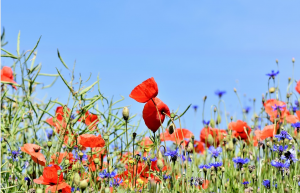
flowers in greatfalls, mt

4 Unique Places in Great Falls

Giant Springs State Park Giant Springs State Park is aptly named for being the nation's largest freshwater spring. The park features tons of outdoor activities for the whole family to enjoy, and you can find variety in many of these exciting events throughout Montana's changing seasons. The park features trails for biking and hiking, areas for bird watching, a fishing hatchery, photography lookouts, seasonal nature tours, and picnicking evens on the Missouri River. Bring the family for a day of nature-based learning when you visit the park center's exhibits and take part in the numerous kids' activities they offer. Be sure to see the Giant Springs, where the water stays a chilly 54 degrees year-round. more C.M. Russell Museum The C.M. Russell Museum in Great Falls was named after Charles M. Russell, who was an early American artist whose artwork captured the essence of the West. The museum houses tons of art exhibitions that highlight the West's expansion, Native cultures, and more to teach visitors about the history of the pioneering of the West. Stroll through the Russell Riders Sculpture Garden or take a tour of the Russell House and Studio to see where the artist lived and worked. The museum also hosts classes, workshops, events, and activities for children, teens, and adults, making this stop a great way to spend an afternoon in Great Falls. Benton Lake National Wildlife Refuge Benton Lake National Wildlife Refuge is another unique area to visit. Take the family and learn all about the native wildlife that calls the Great Plains home, where you'll find around 12,383 acres of wilderness on the western edge of the Great Plains northern territory, only 12 miles from Great Falls's city center. Benton Lake offers recreational activities like fishing during the summer, and you can hunt during the season for waterfowl and other game bird species. The refuge holds various educational activities, where you can participate in outdoor classes with several different themes, including kids' hunter safety courses, foraging, environmental studies, and more. Lewis and Clark Interpretive Center Nothing is as unique to Montana as the journey of Lewis and Clark. Take a historical tour at the Lewis and Clark Interpretive Center where you can relive the journey of Lewis and Clark. The center is built into a bluff for a spectacular view of the Missouri River, and the exhibits help inspire kids to explore. The indoor journey starts in the center's theater with an introductory video about the Lewis and Clark expedition and the Interpretive Center. Then, you're free to explore hands-on exhibits and take a look at the outdoor exhibition trails, where you can learn about the importance of wildlife and plant life during the time of Lewis and Clark's travels. Get out and about and discover the beauty and awe of Great Falls's natural surroundings. With these four places to visit, the biggest challenge will be choosing which spot to visit first.   Image by Pixabay

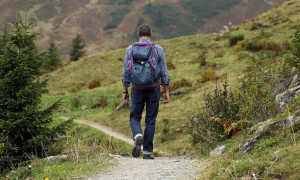
man walking a trail in the mountains

Best Outdoor Places and Things to Do in Montana

Going-to-the-Sun Road Looking for a scenic drive this weekend? Then head to Glacier National Park and hop on Going-to-the-Sun Road, one of the most famous scenic drives in the nation. Going-to-the-Sun Road is a 52-mile highway that winds through Glacier and gives you a spectacular view of the mountain slopes, snowcapped peaks, and shimmering lakes. This drive is perfect for a weekend getaway that will allow you to see the best of Montana. more Highline Trail Montana is famous for its glaciers, and you can hike in the footprints of these natural marvels. The Highline Trail is an 11.4-mile hike that climbs parallel to the Garden Wall along Logan Pass. This hike will take you through alpine meadows, beside streams and creeks, past avalanche chutes, and within view of a wide variety of wild animals. This hike may push you as the trail becomes steep at times, especially as you travel over the saddle separating Haystack Butte and Mt. Gould. The views, though, are worth the effort. You can start the Highline Trail across from the Logan Pass Visitor Center Parking Lot, or you can start at the Loop, which will give you a more uphill hike that will take you up to Logan Pass. Swan River Nature Trail Maybe a hike on Highline is a bit daunting after a long week's work. But what about a nice, flat trail for a leisurely bike ride or an afternoon walk? The Swan River Nature Trail starts at Grand Drive in Bigfork and takes you along the gentle Swan River, through the trees, and against the magnificent mountainside. Take a break along the side of the trail for an afternoon picnic. Glacier Raft Company If you're feeling particularly adventurous, then head to Glacier Raft Company and take to Montana's famous rivers. Located at 106 Going-to-the-Sun Road in West Glacier, Glacier Raft Company offers multiple river-rafting experiences to fit your preference. If you want a more relaxing journey down the river, opt for a scenic float, perfect for families with small children or for anyone looking for a rafting experience with less effort. Upgrade to a half-day tour and you'll enjoy the grandeur of Glacier National Park while also experiencing the exhilaration of white-water-rafting and the tour's class II and III rapids. If a half-day just isn't enough, then Glacier Raft Company also offers a full-day trip with even more breathtaking scenery and exciting rapids. When you've had a long week at work or home and just need some rejuvenation in the outdoors, these places and activities unique to Montana can scratch that itch better than anything. Just make sure that your vehicle is ready for the trip by having it serviced at Taylor's AutoMax.   Image By Pixabay @hermann

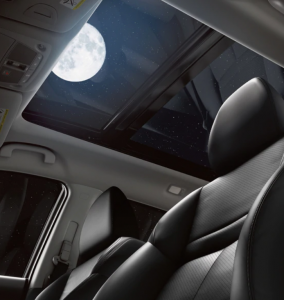
the moon seen trough the sunroof of a car

Taylor's AutoMax-Getting Your Car Ready for a Road Trip

Get an Oil Change If you've been putting off your oil change, then it's time to put an end to it. Oil is essential to your engine's smooth operation, and in order for the oil to move efficiently through your engine, then it must be changed regularly. Without a regular oil change, sludge can build up in your engine, and that sludge can require an expensive cleaning or even that some parts are replaced. Driving far when you need an oil change can significantly damage your engine. The last thing you need is for that damage to cause a breakdown hundreds of miles from home. Have Your Brakes Checked Safety is essential any time you enter your vehicle, and your brakes are central to ensuring a safe road trip. Over time, your brake pads can become thin and ineffective. Sometimes your brakes will warn you that they're becoming too thin when they screech or squeal. If you're hearing that sound, then you need to have your brakes checked and potentially replaced before your long journey. Most brakes should last between 25,000 and 70,000 miles. more Check Fluids Your vehicle's fluids are crucial to a smooth and safe operation. Before you hop on the road for your road trip, check these fluids, especially if you have passed the fluid's associated mileage marker: Radiator fluid: This fluid keeps your engine cool by pulling heat from your engine and releasing it through the radiator. Top off this fluid before your trip, and flush the entire system every 50,000 miles. Brake fluid: Every time you push your brake pedal, brake fluid forces the brake pads to clamp. You should top off brake fluid regularly and flush it every 36,000 miles. Power steering fluid: This fluid helps you easily turn your steering wheel. To keep this fluid from being contaminated and making it harder to turn your steering wheel, you should have this system checked every 24,000 miles. Inspect Your Tires Nothing will ruin your road trip like a blown tire. Before you leave, you should check both your tire pressure and your tire tread. If you haven't rotated your tires in the past 5,000 to 8,000 miles, then you should have them rotated to guarantee even wear. If you've had your tires for more than 50,000 miles, they may need to be replaced. Fresh tires will also improve your gas mileage and save you a few bucks in fuel costs. Test Your Vehicle's Battery If you don't want to have your car die at a rest stop in the middle of nowhere, then you should test your battery before you leave, especially if the battery is older than three years. If you're planning on taking your trip in the summer, testing your battery is even more important since the heat can evaporate battery fluid and lead to more battery damage. Don't let vehicle issues ruin this upcoming road trip. To guarantee your car is ready for your journey, come to Taylor's AutoMax. Image by Nissan.com

hiking route in great falls, mt

5 Fun Hiking Trails Near Great Falls, MT

Hiking is one of the best ways to get fresh air, rejuvenate your soul and take in the beauty of nature. Great Falls, is home to many beautiful hiking trails that range from easy to advanced and everything in between. For those looking for any chance to get outside and enjoy the outdoors, here are five fun hiking trails near Great Falls, Montana. South Shore Trail South Shore Trail is located in a beautiful area and receives a moderate hiking rating. The trails are well-maintained, and the views go on for days. With an overall distance of 10.4 miles, this is a relatively long workout, but well worth it. Once you get to the top, you will enjoy beautiful views of the Missouri River and pictures to last a lifetime. more Benton Lake National Wildlife Refuge The Benton Lake National Wildlife Refuge is managed by the U.S. Fish and Wildlife Service and is extremely well-maintained. If you are an animal lover, this trail is for you as it goes directly through a natural wetland filled with numerous water birds. You will get to see ducks, Canadian geese, snow geese, swans, and shorebirds along your hike as well. Giant Springs State Park Giant Springs State Park is a Montana State Park that has many remarkable features. This pet-friendly park is located along the Missouri River and boasts views of the Rainbow Falls overlook. Enjoy an array of sites to look at and take in at this fantastic park, including both the river and trees along the trail. Hike over to the Ryan Dam and the Great Falls of the Missouri River to examine the wildlife and the different types of birds that live here. First Peoples Buffalo Jump State Park First Peoples Buffalo Jump State Park is located in Ulm, Montana, and is one of the country's largest buffalo jump sites. While on your hike you can stop and check out the visitor center and take in some history. Both provide details of the fantastic journey of the people and animals that used to live here. There are high cliffs, wide open skies, and open fields that offer amazing views. The sunsets and sunrises are breathtaking. River's Edge Trail River's Edge Trail is located right here in Great Falls and is a grand park. The entire trail is almost 60 miles on both sides of the Missouri River with amazing views of the mountains, river canyons, waterfalls, and expansive prairies. The Trail has 18 public art pieces, access to the Lewis and Clark Interpretive Center, and a free telescope providing you even better views of the natural environment. Taking a hike is a perfect way to escape the chaos of life. You can get in some exercise while spending quality time alone or with family and friends. With so many amazing trails located in and around Great Falls, there is no shortage of opportunities to get out, breathe in the fresh air, and experience the beauty of nature. From animals to water, landscapes and more, the hiking trails around Great Falls, Montana, will not disappoint. Image by vastateparkstaff via CC BY 2.0

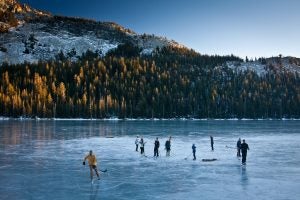
ice skating in great falls montana near mountains

5 Amazing Outdoor Winter Activities in Great Falls, MT

Great Falls is the perfect place to enjoy outdoor activities throughout any season, particularly in the winter. With the decline of visitors during the colder months and the city's proximity to numerous forests and mountains, you can relish peace and quiet and some striking views of nature. If you're in the area during the cold time of the year, here are a few fun activities you can look forward to. Snowshoeing If you're a fan of hiking, you don't have to let the best trails in Great Falls go unexplored just because the snow has stacked high. Instead, strap on some snowshoes for a rigorous winter activity. Though the weather can make hiking more difficult, there's a greater chance for seclusion compared to spring and summer. more Caving This part of the state is known for some deep and gorgeous caves. While it might be more comfortable to explore them when the weather is warm, the stunning experience of seeing huge icicles and frozen rock formations makes it worth bundling up and hiking out to some popular spots around Great Falls. The best part is that there are some lower elevation caves in the island mountain ranges that are excellent for beginners. Great Falls is also a starting point for more experienced hikers who plan on exploring caves along the Rocky Mountain Front. Ice Skating Ice skating and hockey are year-round favorites in Great Falls thanks to a fantastic local rink. However, if you appreciate these sports, you can try them outside and have an unforgettable winter experience. Gibson Park is one of the most popular places for ice skating and hockey in the city. Ice Fishing Ice fishing is another popular local activity that takes advantage of the freezing temperatures. You'll need to dress warm and invest in some fishing gear, but this sport is unique and a way to relax on a pristine day in Montana. With the Missouri River cutting through the city and feeding into many other lakes and streams nearby, the area is full of opportunities to enjoy this pastime. Holter Lake is one popular spot where you can catch perch. Wadsworth Pond and Bynum Reservoir are two other optional locations for ice fishing. Cross-Country Skiing Numerous remote trails are within a short drive from Great Falls, giving visitors quality options for a challenging pursuit that will reward them with spectacular sights. For something closer to the city, check out Eagle Falls Golf Course. It stays open in the winter and gives cross-country skiers access to a local selection that spans two miles. For something more rigorous but still tailored to this sport, visit the Silver Crest Trails in the Lewis and Clark National Forest. Don't let the frigid weather keep you cooped up in Great Falls. Several national forests and mountain ranges are waiting for you to explore. During the warmer seasons, you can plan your adventures ahead of time. Image by Jeff Pang via CC BY 2.0

unusual places in montana

Unusual Places in Montana

Every state has its own unique and unusual sites, and Montana is no different. Not only is this area of the country known for its beautiful scenery and large national parks, but it also has some quirky local roadside attractions. Check out these unusual places in Montana that you can drive to from the Great Falls area. Hill 57 Hill 57 overlooks the town of Great Falls. Most residents know exactly where the hill stands, but they don't know where it got its name. According to some, It all started in the 1930s when Art Hinck, a local pickle salesman for the Heinz company arranged the whitewashed rocks in the form of the number 57 as an advertisement for the Heinz product line. There are also some people who believe the name for the hill came from James J. Hill, the chief executive officer of the Great Northern Railway. more Big John - Cowboy Muffler Man Big John is a 22-foot tall cowboy that has stood under the Big John Casino sign since 1999 and is one of the Muffler Men that you can see throughout the country. Big John once stood at a hotel along interstate I-94 but he disappeared from that location sometime in 1995 and then soon reappeared in Great Falls in 1999 where he remains. Big John is a cowboy standing with his hands extended down as if he is about to draw his pistols, but he doesn't have any. The Sip 'N Dip Lounge: Mermaids The O'Haire Motor Inn on Seventh Street in S. Great Galls Montana features a wall-size window that allows people in the lounge to see into the pool. On New Year's Eve in 1995, the manager of the Sip 'n Dip and her mother convinced one of the inn's housekeepers to put on a mermaid suit and swim around in the pool. It was such a hit that there are now six mermaids that regularly swim around in the pool entertaining the customers in the bar. The Ringing Rocks About two and a half hours from Great Falls in Pipestone, Montana, there is a large pile of rocks that ring like bells when you hit them with a hammer. The location of the rocks is a bit out of the way out on Road #2, but it is worth the trip. You can get to Road #2 by taking exit 241 off I-90 and following a gravel road that runs almost parallel to the highway for a 3/4 of a mile where you'll find the marker for the road. Make sure to bring a hammer and bear spray. You'll also want to wear comfortable shoes because there is a short walk to get to the rocks from the parking lot. There is a large forest service sign at the entrance describing the rocks when you get to the location, so you'll know you are in the right spot. Check out these fun and unusual places in Montana. You can find some right in Great Falls, and others within a short drive. Image by Tim Evanson via CC BY 2.0

pizza in great falls montana by taylor's auto max

Great Pizza in Great Falls, Montana

If you like tasty pizza, you'll have plenty of places to choose from in the Great Falls area. Whether you prefer a traditional cheese and pepperoni pie, or you like an artisan pizza with some unique flavor pairings, you're sure to find it. Check out these great pizza places in Great Falls. Fire Artisan Pizza Fire Artisan Pizza on Fifth Street North is the place to go if you're craving upscale, wood-fired pizza in a warm and inviting atmosphere, something other than just the basics. The menu includes many different flavor combinations, including the Camino, which is topped with roasted chicken, bacon, red onion, cheddar, mozzarella, and barbecue sauce and finished with cilantro and habanero sea salt. The Thai pizza is another favorite of locals. It comes with sweet chili sauce, mozzarella, roasted chicken, cashew satay sauce, serrano chilis, and scallions and is topped with cilantro and Sriracha sauce. The specialty pizzas are simply amazing, but at Fire Artisan Pizza, you can also order an equally scrumptious pizza loaded with your own combination of toppings, such as veggies or pepperoni. more MacKenzie River Pizza Co. Mackenzie River Pizza Co. serves up fresh, gourmet pizzas on a choice of original, thin, or gluten-free crust. You can get all your traditional favorites along with some unique options. Make sure to try the MacKenzie River, which is topped with olive oil, garlic, spinach, roasted zucchini, mushrooms, tomatoes, and both mozzarella and feta cheeses. They also offer their signature Reuben pizza, which is made with Thousand Island dressing, corned beef, Fontina cheese, sauerkraut, and caraway seeds. Howard's Pizza Howard's Pizza is the best place in Great Falls for thin-crust pizza and has been a favorite in the area since 1959! You can either head to Howard's to eat in the restaurant or stay home and have your piping-hot pizza delivered. Howard's deliciously famous sauce is prepared fresh daily, and you can choose from a wide variety of toppings to create your ultimate pizza. You can also try one of their unique specialty pizzas, such as the Howard's Special, which is piled high with sausage, onion, and green pepper; the Tangy, which comes topped with double-smoked sausage; the Canadian bacon and pineapple; or the Stein Haus Special that comes covered with mushrooms and Howard's double-smoked sausage. Big Bang Pizza Try Big Bang Pizza for a brick-oven crust that is both chewy and crispy. Start with your choice of eight pizza sauces, including the traditional marinara, a unique cheeseburger sauce, hot and spicy Buffalo, and more. You can create your own pizza or try one of their combinations, such as The Pulsar, which is loaded with cheeseburger sauce, bacon, cheese, beef, onion, and cheddar cheese; or The Black Hole, topped with garlic butter, cheese, steak, onion, and mushroom and served with a side of gravy. Mighty Mo Brewing Co. Might Mo Brewing Co. is a Great Falls favorite when it comes to craft beer, but they also have an incredible pizza menu. Their handcrafted pizza options include the chicken bacon ranch; the sweet & tangy; and the spinach & artichoke, which is topped with basil pesto, spinach, artichokes, roasted red peppers, and both feta and Asiago cheeses. The taco pizza and the Buffalo chicken pizza are also favorites among the locals. If you're hankering for pizza, you can find everything from traditional pizzas to gourmet pies in the Great Falls area. Whether you build your own and load it up with your favorite toppings, or you try one of the unique combinations offered at each place, you are sure to find something to cure your craving. "Vegetarian Pizza" via kurmanstaff CC-BY 2.0

The 2018 Nissan Leaf at the ch

Road Tripping in the Nissan Leaf

Electric cars like the Nissan Leaf are becoming more popular every day, but there are still plenty of people out there that are hesitant to make the switch due to the pre-conceived notion that they're not practical for trips longer than a drive to and from work. While that was certainly a valid concern in the early days of the electric vehicle, modern electric cars are more capable than ever before. In fact, cars like the Nissan Leaf may be even better for long trips than their combustion engine counterparts. more More Miles per Charge At the beginning of the electric vehicle's life, maximum range was limited to about 80 miles on a single charge, on the high end. Most mass-produced vehicles were closer to only 60 miles or so. This problem was only made worse by the fact that, in most cases, the only available charging options were expensive charge ports installed in the home of the vehicle's owner. The Nissan Leaf, however, is capable of traveling over 150 miles on one charge. That's more than twice the range that was previously available. But is it enough to justify a long road trip? Easy Access to Public Charging Nissan has an extensive, ever-expanding network of public charging stations all over the United States. When you buy a new Leaf, you'll be given two years of free charging at these stations but, even if you don't have free access, topping off at a Nissan charging point is still less expensive than filling up a tank of gas. Due to the large number of stations available, you're likely never very far from one, so there's little need to worry about running out of juice when you're not close to home. As an added convenience, the car's onboard connected system will help you easily locate and navigate to the nearest charging station whenever you need. High-Tech Features for a High-Tech Ride The Nissan Leaf's high-end technology isn't limited to its superior range and charging capacity. Connected onboard systems provide access to support for Android Auto and Apple CarPlay, providing you with instant access to your favorite mobile apps through the car's touch-screen interface. The car's companion app also provides on-demand access to important information like the current charge level, door locks, and even climate control. A Car That Tattles When Something's Not Right One of the coolest features that the Leaf offers is the ability to receive customized alerts when something out of the ordinary happens. This is ideal on a road trip with multiple drivers. You can set the car to tell you when a driver exceeds the speed limit, when a valet drives the car outside of a specific radius, or when your teenage driver takes the car out of town without permission. Curfew alerts can also let you know when somebody's driving the car when they're not supposed to. The Nissan Leaf is a much more practical vehicle than you might expect. If you haven't checked one out yet, stop by a local Nissan dealership and take one out for a test drive. Image by Autoviva, Licensed via CC BY 2.0

Contact Us

Fill out this form below and we'll contact you shortly
*Required Fields