





Best Buys

Blog

All Community Nissan Models Tips Taylor's Auto Max Video Blog 2019 Model Fun Facts Travel Nissan Taylor's Service Max Car Comparisons 2019 Nissan Armada 2020 Models GMC News 2019 Nissan Rogue 2022 Model Buick Buick Model Sales Events

Exploring Montana: 20 Quick Trips from Great Falls

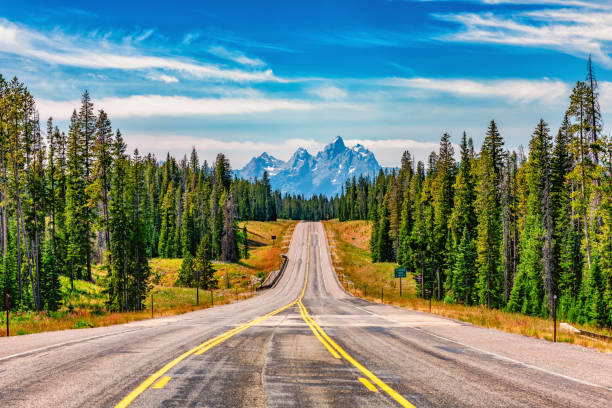
It's summertime in Montana and there's no better way to spend the long, hot days than taking a road trip to somewhere new! To help make your summer adventure spectacular, we've complied a list of the 20 best destinations in Montana to visit within driving distance from our home in Central Montana, in order from closest to farthest in distance. Each trip can be made in 4 hours or less from the city of Great Falls. Make a plan to hit multiple stops on the ride, or take your time and spend a weekend at each place to really get the full experience they each have to offer! more 1. Fort Benton - 42 miles (approx. 45 minute drive) Drive through vast open country, past miles of wheat fields, herds of deer and antelope, and enjoy a view where you can see forever in any direction. You'll soon understand why Forbes named Fort Benton as one of the fifteen "prettiest towns in America" and National Geographic Traveler recommends visiting Fort Benton. If you love history, Fort Benton is definitely a place you'll want to check out! The city's waterfront area, the most important aspect of its 19th century growth, was designated the Fort Benton Historic District, a National Historic Landmark, in 1961. The city features museums and historic sites like the Historic Old Fort Benton, The Starr Gallery of Western Art, The Museum of the Northern Great Plains, The Hornaday Smithsonian Buffalo and Dean & Donna Strand Western Art Gallery, the Homestead Village, The Museum of the Upper Missouri, and lastly, Upper Missouri River Breaks National Monument Interpretive Center. You can also visit the state of Montana's Lewis and Clark Memorial in Fort Benton, and explore other landmarks like the Grand Union Hotel, the Shep Memorial, the Fort Benton Bridge, and the Choteau County Courthouse. With a population just shy of 1,500, you can expect quiet, open roads, little to no wait times, and an occasional friendly face. 2. Choteau - 52 miles (approx. 55 minute drive) This city, with a population of approximately 1,700 residents, is another small town on our list, but it's definitely worth the visit! The town is named for French fur merchant, trader and explorer Pierre Chouteau, Jr., who is also the namesake of Chouteau County, Montana, where you can find our last destination, Fort Benton. Choteau, like Fort Benton, is a county seat, meaning the Teton County Courthouse can be found right in the middle of town. Things to see in Chouteau also include the Old Trail Museum, the Soroptimist Walking Path, and The Montana Dinosaur Center, a two-story paleontology research center and museum that offers real dinosaur fossil digs from May - September. Chouteau is also home to Freezeout Lake Wildlife Management Area, one of the world's premier bird-watching locations, with over 200 species of birds observed her every year. You can find great spots for various outdoor recreation, like hiking, horseback riding, hunting, and fishing. In the winter, Teton Pass Ski Resort, about 20 miles north of Chouteau, is a great place to ski and snowboard, then warm up in the log cabin after with some hot chocolate. 3. Holter Lake/Gate of the Mountains - 59 miles (approx. 1 hour and 5 minute drive) It was Meriwether Lewis of Lewis and Clark fame who aptly named the Gates of the Mountains. As you begin to explore the Gates of the Mountains and Holter Lake area, you’ll be stunned by its beauty and soon come to realize why Lewis gave it this title. Lewis named it Gates of the Mountains due to the towering cliffs bordering the Missouri River that appear to open and close as you navigate the turns in the river. At that time, the river was not yet dammed, making the cliffs even more dramatic than they appear today. Though the Missouri River has since been dammed, raising the water levels, “the Gates” are still breathtaking, and the dam has created one of our favorite summertime recreation spots in Montana: Holter Lake reservoir, a 24-mile section of the Missouri River running from Upper Holter Lake (southern end) to Lower Holter Lake (northern end). The over 28,000 acres and over 50 miles of trails that make up the Gates of the Mountains Wilderness Area border the Missouri River heading north from Upper Holter Lake. The pristine, wild, and roadless wonder of the entire wilderness area can be accessed from stops along the southern portion of Holter Lake. The lake offers the perfect spot for boating, kayaking, fishing, camping, and soaking in the sun and views of the Gates under the big sky. A 7-mile, guided boat tour of the Gates of the Mountains can be purchased to view "the Gates," and learn it's history. 4. Helena - 90 miles (approx. 1 hour and 30 minute drive) One and a half centuries ago, Helena became the "Queen City of the Rockies" with the boom brought on by the 1864 gold strike. Helena grew along Last Chance Gulch and in 1875 became the Montana territorial capital. Today the state capital’s grand architecture, numerous museums and historic sites offer a real glimpse into the rich and deep history of the city. Helena also boasts a vibrant cultural center with a busy event calendar, eclectic shopping, art galleries, terrific local bands, great restaurants, local microbreweries, and an epic trail system. Stroll around Last Chance Gulch and the Downtown Pedestrian Mall, or take a visit to the state's capitol building. Take a Hike at Mount Helena City Park, or step back in history at Reeder's Alley or the Montana Historical Society. Helena also features the Montana Military Museum, the Holter Museum of Art, and an interactive science center, ExplorationWorks. After you do all your exploring around town, take a soak in the Broadwater Hot Springs and Spa. 5. Havre - 113 miles (approx. 1 hour and 55 minute drive) Havre is a rural agricultural community located on Highway 2 in North Central Montana. This area of mountains and plains offers a year-round retreat for nature lovers, recreation enthusiasts and history buffs. Besides recreation, Havre is also rich in cultural attractions ranging from concerts, live theater, museums, shops, galleries, numerous sporting activities and events. Another county seat city, Havre is home to the Hill County Courthouse, and the United States Historic Post Office and Courthouse. Some other places to check out include the Wahkpa Chu'gn Archaeological site, Fort Assiniboine, and the Highline Heritage Resources Historic Homes. While you're there, be sure to explore the underground tunnels of Havre, Beneath the Streets. See first hand the commerce of early days on the wild and wooly frontier. Tour the Sporting Eagle, Wah Sing Laundry, Shorty Young's Office, Gourley Bothers Bakery and more. Other museums in Havre include the H.E. Clack Historical Museum, the Old Library Gallery, and the Blaine County Museum can be found in nearby Chinook. 6. Glacier National Park - 146 miles (approx. 2 hour and 25 minute drive) Established as a National Park in 1910, Glacier National Park is a land of mountain ranges carved by prehistoric ice rivers. It features alpine meadows, deep forests, waterfalls, about 25 glistening glaciers and 200 sparkling lakes. The vistas seen from Going-To-The-Sun Road are breathtaking, a photographer's paradise. Relatively few miles of road exist in the park's 1,600 square miles of picturesque landscape, thus preserving its primitive and unspoiled beauty. Take your time exploring this over 1 million acre national park by hiking, camping, biking, boating, fishing, horseback riding, or cross country skiing. One of the most popular hotels to rest at is the old-world style Many Glacier Hotel, built in 1914. 7. Butte - 155 miles (approx. 2 hour 25 minute drive) Established in 1864 as a mining camp in the northern Rocky Mountains on the Continental Divide, Butte experienced rapid development in the late-nineteenth century, and was Montana's first major industrial city. In its heyday between the late-nineteenth and early-twentieth centuries, it was one of the largest copper boomtowns in the American West. The city covers 718 square miles, and has a population of almost 34,500, making it the 5th largest city in the state! The Butte Hill and its huge copper deposits was once known as "the richest hill on earth." Today Butte's colorful history can be seen in its preserved Victorian uptown business district and stately mansions. The Butte Trolley tours historic sites in the summer. Activities and guided services for this area include ranch vacations, natural hot springs, hiking, boating, resort cabins, river floats, hunting, fishing, horseback rides, golf, cross-country and downhill skiing, and snowmobiling. Butte boasts one of the nation's largest National Historic Landmark Districts with over four thousand structures around the city. History lovers can take a ride on the Old Trolley No. 1 for tours of historic sites, or visit one of Butte's many museums: the Copper King Mansion, the Mai Wah in the heart of Butte's old Chinatown, the Dumas Victorian Brothel Museum in the once notorious Venus Alley, the Mineral Museum, and the World Museum of Mining with its twenty two acres of outdoor and indoor displays. For unsurpassed views, visit the Granite Mountain Mine Memorial for a panoramic view of Butte and the nearby mountains; the viewing stand at the Berkley Pit, Butte's massive open-pit mine; or take a bus for a close-up view of the towering Our Lady of the Rockies, a 90-foot statue of the Virgin Mary that looks down on Butte from the Continental Divide. Outdoor enthusiasts can visit the nearby Sheepshead Recreation Area, Maney Lake, and Elkhorn State Park for hiking, boating, river floats, and fishing opportunities. 8. The Lewis and Clark Caverns (Whitehall) - 158 miles (approx. 2 hour and 30 minute drive) Lewis and Clark Caverns State Park is Montana's first and best-known state park featuring one of the most decorated limestone caverns in the Northwest. Naturally air conditioned, these spectacular caves lined with stalactites, stalagmites, columns, and helictites are electrically lighted and safe to visit. Above ground, a self-guided nature trail provides opportunities to understand the natural surroundings. Also available is 10 miles of hiking trails, 40-space campground, 3 camping cabins, tipi, picnic sites, firewood, flush and vault toilets, showers, group use area, RV dump station, grills/fire rings, picnic tables, trash cans, drinking water, and a food/beverage and gift concession. The park is open year around, but guided tours are conducted daily only between May 1 and September 30. The park has two visitor centers, interpretive displays and evening programs presented during the summer months. The site encompasses 3,000 acres at an elevation of 4,300 and 5,600 feet. Golf course and museums are located nearby in Three Forks and Whitehall. 9. Philipsburg - 158 miles (approx. 2 hour and 45 minute drive) This 1890s mining town has been renovated into National Historic Business District. Quaint shops, walking or auto tours and guides into the ghost towns are available. Georgetown Lake is 10 miles from Philipsburg and offers a beautiful mountain setting, fishing, boating and camping. Try some prospecting at the Sapphire Gallery or visit the Granite County Museum and Mine Exhibit, home of the Ghost Town Hall of Fame. Located nearby is Discovery Ski Area with beautiful views and uncrowded slopes. The Philipsburg area is a geologically rich with large mineral deposits, over 75 named lakes and reservoirs and is full of interesting history. In the heart of Montana sapphire country, Philipsburg boasts several opportunities for panning for your own Montana sapphires at any one of several shops in town, or exploring old Montana silver and gemstone mines in the surrounding mountains and ghost towns. 10. Missoula - 165 miles (approx. 2 hour and 45 minute drive) Known as the "Garden City" for its dense trees and lush green landscape, Missoula is nestled in the heart of the northern Rockies where five valleys converge, and is the 2nd largest city in the state. Missoula is a center for education, medicine, retail and the arts. Located at the base of Mount Sentinel and the banks of the Clark Fork River is The University of Montana. The 200-acre campus is one of the most beautiful in the nation and is home to 12,000 students. Fly fishermen, rafters, kayakers and canoers thrive on the nearby waters. Missoula has no shortage of museums, including: the Missoula Art Museum, the Rocky Mountain Museum, the Montana Natural History Center, the Historical Museum at Fort Missoula, the Montana Museum of Art and Culture, the National Museum of Forest Service History, the Museum of Mountain Flying, the Montana Museum of Work History, the Boone and Crockett Club, the Holt Heritage Museum, and the Miracle of America Museum. Visit the Lolo National Forest and catch a show at the Wilma Theater. Also be sure to check out the Rocky Mountain Elk Foundation and the Rattlesnake National Recreation Area. 11. Livingston - 170 miles (approx. 3 hour drive) Livingston is the historic train town from the late 1880's that will keep you coming back. Livingston was the “Original Gateway City to Yellowstone National Park,” but now it’s where adventure, beautiful scenery and authentic friendly folk await you at the edge of the Yellowstone River. The town is surrounded by four beautiful wild mountain ranges that offer an abundance of outdoor activities year round. Enjoy some fly fishing, dogsledding or cross-country skiing, horseback riding, river rafting or just take it easy at their many museums, art galleries and restaurants. Take a trip to the Yellowstone Gateway Museum, the Livingston Depot Center, and take a stroll down Main Street. 12. Anaconda - 179 miles (approx. 2 hour and 45 minute drive) Humbled by the towering Pintlers, nestled in a mile high valley in the Deer Lodge National Forest, Anaconda presents unsurpassed recreational opportunity just outside town, in any direction. The town sprang up when the giant Anaconda Copper Mining Company of Butte needed a smelter for its vast amounts of copper ore. Smelting operations were suspended in 1980, but "The Stack" remains an important landmark and state park. Smoke Stack Stater Park allows visitors to view the 585 ft. tall structure from a distance. Also in Anaconda, the Lost Creek State Park offers incredible views and various outdoor recreational activities. For more fun in the outdoors, visit the Washoe Park, visit the Old Works Golf Course, or take a trip to a local hotspot, Georgetown lake. Other places to visit include the Washoe Theater, the Washoe Park Trout Hatchery, and the Copper Village Museum and Arts Center. Hop on a Historic Bus Tour to tour the town and learn it's history. 13. Bozeman - 186 miles (approx. 3 hour drive) Bozeman is called “the most livable place” for good reason, and is the state's 4th largest city. Enjoy world-renowned fly fishing, dramatic mountains for hiking, mountain biking, rock climbing, skiing, hunting, and backcountry exploring, Yellowstone National Park, and impressive wildlife. When you are ready for a more city experience, dive into Bozeman’s thriving arts and culture communities, ranging from main street festivals, farmers markets, cultural centers and museums to symphonies, theaters, and art galleries. Museums include the Museum of the Rockies, the Gallatin History Museum, the American Computer and Robotics Museum, the Bozeman Art Museum, the Montana Science Center, and the Little Bear School House Museum. Take a trip to downtown Bozeman for some shopping, or visit the Montana Grizzly Encounter to get "up close" to rescued grizzly bears. 14. Virginia City - 207 miles (approx. 3 hour and 25 minute drive) Virginia City was born with the discovery of gold in Alder Gulch in 1863. A boom town of the post Civil War era, Virginia City served as the Montana Territorial Capital for 10 years, until the gold ran out. Just a mile away lies Nevada City, a western town created from a collection of buildings from other ghost towns. Both towns have been largely restored and preserved and have become living examples of the real Old West. One hundred fifty buildings have been certified authentic by the Montana Historical Society. Original buildings, dating from the Territorial days, are filled with merchandise and implements used when gold camps flourished in the West. Boardwalks, mechanical music machines, a penny arcade, antique automobiles and even a two-story outhouse add to the Old West atmosphere. This section of Gold West Country offers many opportunities to relive the adventure of gold rush days. Virginia City's Grand Victorian Ball for Peace 1865 is held in August. Events include a Grand Ball where guests attend in period costume. The Opera House features the Virginia City Players' productions in the style of 19th-century. Virginia City offers the oldest continuously operating summer stock theater west of the Mississippi. Check with the Chamber of Commerce for a schedule of shows. In Virginia City, you can shop, dine and sleep without leaving the atmosphere of the 1860s. Dine in the Star Bakery and bend an elbow in the Bale of Hay Saloon. Relax with a libation at Montana's first brewery, the H. S. Gilbert Brewery, and enjoy a performance of the Brewery Follies Players. Modern accommodations in a charming, 19th-century atmosphere are available. You will find fascinating nuggets of history and memories to treasure. The majestic Madison River Valley, just west of Virginia City, features some of the world's finest trout streams, as well as a beautiful mountain backdrop. 15. Flathead Lake - 216 miles (approx. 3 hour and 40 minute drive) Flathead Lake is the largest natural freshwater lake west of the Mississippi in the lower 48 states, with over 200 square miles of water and 185 miles of shoreline. The southern half of Flathead Lake is within the boundary of the Confederated Salish and Kootenai Tribes Flathead Reservation. Recreationists must purchase a tribal recreation permit. Montana Fish Wildlife and Parks maintains thirteen public access sites around the lake. These sites include: Sportsmans Bridge, Somers, Big Fork, and Juniper Beach fishing access sites; Wayfarers, Woods Bay, Yellow Bay, Finely Point, Walstad Memorial, Big Arm, and Elmo state recreation areas, which have toilets, boat launch, camping, swimming and picnic facilities; and West Shore State Park, located twenty miles south of Kalispell on Highway 93. Also located along the west shore near the Big Arm is Wildhorse Island, a 2,165-acre state park. The park is accessible only by boat and is a public day use and picnic area only, no overnight camping. Recreation on and around the lake includes: sailing, power boating, waterskiing, swimming, fishing, picnicking, and camping. In the summer, roadside stands along the east shore offer a variety of locally grown cherries, apples, plums, and other fruits. There are numerous motels and rental cabins in addition to public campgrounds scattered all around the shoreline. The major population centers around the lake are Kalispell, Bigfork, and Polson, all of which offer a complete variety of groceries, supplies, and information. 16. Billings - 219 miles (approx. 3 hour and 40 minute drive) Shaped by the Yellowstone River and sheltered by the Rims, Billings is a regional hub for commerce, and is the largest city in the state with just over 117,000 residents. Whether you're looking for bronco busting rodeo action or the relaxation of fishing or hunting, you'll be in good company around Billings. Watch Montana's wildlife by grabbing your binoculars and heading to the plains or hiking in the mountains that surround Billings. Use Billings as a central point to the best western attractions, events, hospitality, shopping and cuisine. For museums, Billings is home to the Yellowstone Art Museum, the Moss Mansion Museum, the Western Heritage Center, and the Yellowstone County Museum. Get some fresh air in the city by visiting Lake Elmo State Park, or Pictograph Cave State Park, where you can find ancient rock paintings dating back to over 2,000 years ago. Just outside of town you can find Pompey's Pillar, a sandstone pillar over 200 years old with Captain William Clark's signature carved near the base. Visit ZooMontana or the Yellowstone Wildlife Sanctuary to view animals found in the wild. Finally, catch a show or rodeo at the MetraPark Arena. 17. Big Sky - 219 miles (approx. 3 hour and 45 minute drive) There's a lot more to Big Sky than the endless views and wide-open skies that give this Montana destination its name. Big Sky is an R-Destination. Come Recreate, Recharge, Rejuvenate, Reboot and Return home Refreshed. Big Sky offers unlimited access to outdoor recreation: the wet and wild whitewater experience, blue ribbon trout streams, backcountry hikes, meandering wildlife and widespread wildflowers. It's made of a welcoming community filled with people who have chosen Big Sky, for the week or forever. This is an area full of adventure, and vibrant with entertainment options to suit a variety of individuals and groups, from families to businesses, to all-guys or gal's trips, meetings, family reunions, romantic getaways, and weddings. If that isn't enough, Big Sky is your gateway community to Yellowstone National Park adventures, where geologic wonders and rugged nature are in a summer or winter day's visit with the West Entrance to the Park accessible to the south in just under an hour. In winter, Big Sky is home to the BIGGEST SKIING IN AMERICA © with over 5,800 acres of skiable terrain spread across four mountains, 4,350 vertical feet and 85 km of award-winning Nordic trails. 18. Whitefish - 220 miles (approx. 3 hour 45 minute drive) Named one of the "Top 25 Ski Towns in the World" by National Geographic, Whitefish is located on the shores of Whitefish Lake and at the base of Big Mountain-home to Whitefish Mountain Resort. A short jaunt to Glacier National Park, Whitefish is a year-round destination with plentiful attractions and a mixed array of shops, coffee houses, restaurants, accommodations. Visitors can enjoy skiing, snowboarding, hiking, biking, boating and live professional theater, as well as stellar dining. Amtrak's Empire Builder stops daily in Whitefish, while Glacier Park International Airport is only 15 minutes away. 19. Yellowstone National Park - 225 miles (approx. 4 hour drive) America's first national park was set aside to preserve and protect the scenery, cultural heritage, wildlife, geologic and ecological systems and processes in their natural condition for the benefit and enjoyment of present and future generations. Yellowstone serves as the core of the Greater Yellowstone Ecosystem, one of the last and largest nearly intact natural ecosystems on the planet. Yellowstone has the most active, diverse, and intact collections of combined geothermal features with over 10,000 hydrothermal sites and half the world's active geysers. The park is also rich in cultural and historical resources with 25 sites, landmarks, and districts on the National Register of Historic Places. 20. Kalispell - 227 miles (approx. 3 hour and 55 minute drive) Kalispell and the Flathead Valley are home to Glacier National Park, Flathead Lake, championship golf courses, two ski resorts, unlimited trails for hiking and lakes and streams for fishing, outstanding arts and culture, charming small towns and warm western hospitality. Other places to visit include the Hockaday Museum of Art, the Conrad Mansion Museum, and Northwest Montana History. Kalispell is also home to a state park know for stunning views, called Lone Pine State Park. Take a stroll on Main Street, visit the city parks and Flathead National Forest, or take a trip to Kalispell's other well-known water hole, Swan Lake.
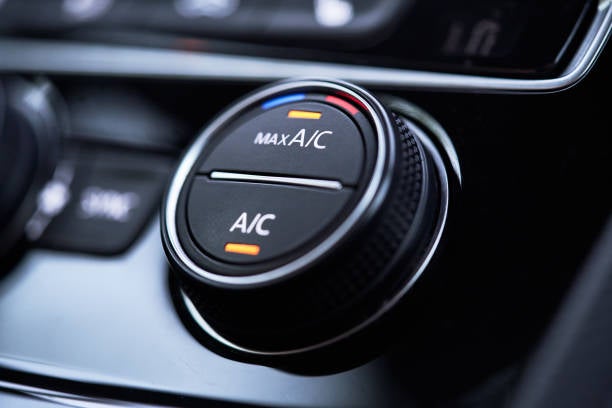
A Guide for Common Car AC Issues

Air conditioning is one of those things that’s easy to take for granted — until you don’t have it. When it’s the middle of summer and the temperature outside is rising, the last thing you want is to be stuck in a car that’s blowing hot air out of the vents … or in a car with an air conditioner that's not blowing at all. Being in a car without air conditioning in hot weather isn’t just annoying; it can also be dangerous, since cars heat up quickly. This puts you at risk for dehydration and even heat stroke. It’s even more dangerous for children, the elderly and people with compromised health, so making sure your air conditioning is in good working condition is definitely something you want to make a priority this summer. That means if you’re hitting the road this summer, you’ll probably want to have your mechanic give it a quick checkup before you go. Visit the Taylor's Auto Max online scheduling tool to make an appointment to have your vehicle's air conditioning system inspected before the summer heat begins. more Diagnosing the Problem Like most things under the hood, air conditioners can stop working for a number of different reasons. Knowing what to look for can help you troubleshoot why your car A/C is not working and let you know what steps you need to take next. Let’s look at the most common reasons your car A/C might have stopped working. Begin with Testing How your AC Feels If the air conditioning is set to max cool and fans on high, but is only blowing moderately cool air: Check to see that the cooling fans on the condenser or radiator are running when the air conditioning is on. Look for any restrictions like leaves, bugs or dirt that would keep air from passing over the condenser. Check the cabin air filter to ensure that it is not clogged. Beyond this, the next step is to always check the pressures in the system using a manifold gauge set. The recommended high-side and low-side pressures can be found in your vehicle's repair manual, or online. Once you have your gauges hooked up, move on to observing the AC compressor itself. Refrigerant Leak This is one of the most common causes of car A/Cs not working. Leaks can originate from a number of different places; it could be the result of rubber seals and hoses breaking down over time, and that allows the refrigerant, Freon, to escape. The bigger danger when this happens goes beyond not having cool air in your car, but those weak spots can also allow moisture to get inside your car’s cooling system and mix with the refrigerant. When moisture and Freon mix together, they create a dangerous acidic combination that can harm you and your passengers, and will corrode your A/C system and cause permanent damage. As with any type of leak, you want to get this fixed quickly so it doesn’t continue causing problems for your car. Broken Cooling Fans Just like you need blowers to push the air conditioning through the vents in your home, your car uses cooling fans to move the refrigerated air into your vehicle’s cabin. When there’s a problem with the fans, you won’t feel any air coming out of the vents. Cooling fans can stop working properly for a number of different reasons; they might have blown fuses, an electrical short, or could have been cracked by debris from the road. Fortunately, this is fairly simple to fix; your mechanic should be able to replace it quickly and get you back on the road. A Problem with the Compressor Your air conditioning relies on a compressor to keep the air moving, but if the compressor isn’t working properly, that refrigerant isn’t going to move around. One of the main reasons a compressor goes bad is from not being used for long periods of time, and the long cool seasons of fall and winter means that many Montanans don’t run their air conditioning for several months. A compressor can also have problems if the clutch on the compressor gets stuck. If it gets stuck in the “on” position it will make your air conditioning run continuously, and if it’s stuck in the “off” position it will keep the compressor from engaging. You’ll need to have your mechanic look at what is causing the problem with your compressor. With the engine running, turn the A/C on max cool, set fans high, and make sure that the clutch is engaging on the compressor. Note: this is not the pulley, but the center piece that engages the pulley to the compressor shaft. If the clutch is engaging and disengaging once every few seconds, this is a sign of low refrigerant. You will also see the low-side pressure on your gauge drop rapidly when the clutch engages, hit a point of too-low pressure, then disengage and the pressure will rise. As you add more refrigerant, the gauge will hold steady, with the compressor running, and should hold at the recommended pressure. If the clutch is not engaging and the system has refrigerant, use a voltmeter to check for voltage getting to the compressor. If there is voltage - the clutch may be bad. If there is no voltage - a cycling switch may be bad, a fuse may be blown, and the system may not have enough refrigerant pressure to trip the low pressure cutoff switch that cycles the compressor. An Issue with the Condenser The condenser plays an important role; it takes the humid air in the air compressor and depressurizes, cools and liquefies that air. In simpler terms, it helps turn the air cool. When your air conditioning isn’t cooling as much, it could be a sign of a failing condenser. Electrical Problems There are several things that can cause electrical problems for your car’s air conditioning. These can include failed switches, a blown fuse, a problem with the control module or something else. Fuses can short out and make the A/C stop working or a loose connection can create an electrical short that is easily fixed. While electrical issues in the air conditioning system are often easy to fix, they need to be addressed immediately, since they can cause acid buildup. Acid buildup can cause serious damage to your vehicle and can even lead to needing to replace the entire air conditioning system. Staying on top of problems will keep this from happening. Other Leaks Leaks are one of the most common problems associated with the air conditioning system. If pressure is low, then there may be a leak. Using a UV A/C leak detection kit is the easiest way to find a leak. Follow the instructions on the packaging to introduce UV dye to the system and UV light to find the leak. Check around all fittings to verify that they are all secure. Check hose manifolds on the compressor. Check the front seal and the o-rings sealing the pressure switches on the back of some compressors. Check where the hoses are crimped onto the fittings. Check the Schrader Valves. Check for pin holes in the condenser. Check where the evaporator drains condensation with UV light. Sometimes oil or dye can be seen. Note: The dye check will not work if the system is too low and the compressor is not cycling. Still not sure? Check these Components AC Compressor and Clutch As mentioned before, the AC compressor is a rotating pump that circulates refrigerant (Freon) throughout the system. Common Problems: Leaks in one or more seals or the compressor itself can occur. Particle contamination from worn parts inside the compressor are a frequent culprit. The engagement clutch, called an AC clutch, can also fail rendering the compressor inoperative. What to Look For: If the refrigerant is low, check for visible system leaks that appear green and oily. Failing internal components caused by normal wear or low AC Oil levels caused by leaks. Failed AC clutch. Failed power supply to the AC clutch caused by a blown fuse, bad pressure control switch, dash control module or a broken circuit wire. Inspect and test before replacing! AC Accumulator / Drier The Accumulator/Drier collects and absorbs moisture. Moisture is like poison to the internal system components and can damage the AC Compressor as well. Depending on your vehicle, you may have an accumulator or a receiver/drier. Common Problems: Internal failure allowing desiccant material to enter the AC system. Like sugar in the gas tank, this stuff in the wrong places can cause major problems. Leaks can result in over-saturation of the desiccant material that can lead to compressor damage. AC Orifice Tube / Expansion Valve The AC orifice tube / expansion device filters and regulates the flow of refrigerant through your air conditioning system. Depending on your vehicle, you may have an orifice tube or an expansion valve. Common Problems: Contamination is the main cause of failure. If the system pressures are too high and/or too low, the expansion device could possibly be the issue. But first, ensure the refrigerant levels are correct and the radiator/A/C Condenser fan(s) are working properly. Remember, inspect and test before replacing! AC Evaporator Core The AC evaporator acts like a huge ice cube with holes in it. It allows the hot, cabin air to flow through the core, rapidly cools this air, and blows it out into the cabin again. The cool air felt from the dash vents is provided by the AC heater blower motor assembly. Common Problems: The number one cause of failure is a leak due to age and wear. An electronic leak detector is the best way to check for leaks. Give attention to the AC evaporator box water drain tube. Use the tester to search for a leak. A green and oily substance may appear in the drain tube if larger leaks are present. AC Condenser The AC condenser looks similar to a radiator and works in conjunction with the radiator fan(s). Air flowing across the AC condenser tubes cool the hot (gaseous) refrigerant that absorbed heat from inside the vehicle. This returns the refrigerant back to a liquid state where it will once again enter the evaporator core and absorb more heat from the interior. Common Problems: Refrigerant leaks. Contaminant particles from the AC Compressor or AC Accumulator/Drier restricting the flow of refrigerant can lead to poor cooling. While checking the AC Condenser, inspect the Radiator / AC cooling fan motor(s).

50 Family-Friendly Summer Activities for in and Around your Home!

School's out and summer break is here, which means by now the kiddos are bored to tears, or so they say. Well don't worry, because we've got you covered with a full list of activities that will make Summer 2022 the best summer ever! more 50 Family-Friendly Summer Activities Bike rides. Take your family out for a fun bike ride, either near your house, or if the kids are older, take them on a bike trail. Since it’s a hot summer day, make sure to bring water! Make ice cream. There isn’t anyone in the world who would refuse ice cream on a hot summer day. This is a fun and delicious activity for kids, that parents can easily monitor. Here’s a great guide on creating your very own vanilla ice cream. Meet friends at the local playground. Call up your friends and let the kids hang out together at a local playground, where they can play on swing sets, merry go rounds, and more. Have a picnic at a local or state park. Getting together for a picnic at a local or state park can be a fun group activity. Just make sure to find some shade! Sidewalk chalk murals. Get some colored chalk and create some really fun chalk murals and designs. Backyard camping. Of course you should take advantage of Montana's natural beauty and take a few camping trips this summer, but for a quick and safe adventure any night of the week, grab a tent and pitch it in your backyard! Backyard stargazing. Put out a few blankets and lie down in your backyard, and gaze upon the stars. Show your kids how to locate Orion’s Belt and many other stars. Here’s a great stargazing guide. Kids science experiments. If your kids want to stay indoors, no problem – increase their brain power and curiosity with these awesome fun and easy science experiments for kids! Play some tennis (or pickleball). Grab your gear and head out to one of our many tennis courts located throughout the city. Here is a list of all available courts in Great Falls. Make a kaleidoscope. This would be fun to do if it happens to rain, or even if you want something different to do with your kids while staying inside. If they are the crafty type, here is a fun guide to show you how to make one. Sidewalk foam paint. Besides sidewalk chalk, there are other creative ways to write on your sidewalk! You and your kids can make some perfectly harmless foam paint. Click here for a creative and fun DIY foam activity to have some fun with your kids. Water balloon baseball. Sometimes, combining two summer activities can make for an exciting way to play outside. Just take a whiffle ball bat and fill up some water balloons. Now, you can play baseball with a splash! DIY bird feeder. This kid friendly bird feeder takes toilet paper rolls spread with peanut butter and rolled in bird seed. After hanging it on a branch, your kids can watch as the birds come get something to eat! Homemade Playdough. This can be done in less than 10 minutes and is very easy to make. Check out this recipe from a fellow mother on how to make colorful playdough with your kiddos. Visit your local library. The library has more than just books for children. Many of them have other activities and toys designed for each age. They also offer audiobooks and educational computer games! Build a fort or tent. Take an afternoon and push your couches close together. Drape them with blankets or sheets and eat a snack or play a game under your fort or tent! Play hide and seek in the dark. Mix up plain-old hide and seek with hide and seek in the dark! Black out your windows and prep areas that may be hazardous. Add glowsticks for even more fun! Make milk carton boats. Take an old milk carton and shape it in the fashion of a boat. You can even paint it and stick a toothpick in it with a taped flag! Test it out by putting it in water in the sink or bath. Does it float? If not, your kids can brainstorm on how to fix it. Do a puzzle together. When searching for the right puzzle, look for the correct age group. There are specific difficulty levels out there! It can be a wonderful time to bond with your kids and work together to solve a puzzle. Visit a splash park. Some are free and others aren’t, but this would be a fun outing for your kids! Anything with water is a fun summer activity that can help keep you cool in the heat. Write in shaving cream. This may get messy, but what a fun way to write! If you’re prepared for the mess, have your kids practice their ABCs. You can go outside in the sunshine! Paint rocks. Have fun painting faces or designs on rocks with your kids. Then you can use your painted rocks as door stoppers or paper weights at home, or you can have some fun with your local community, and hide the rocks in local parks or neighborhoods for others to find! Balloon tennis. Using paper plates, paint stirrers, and air-blown balloons, you can easily make this fun summer kids’ activity for the outside. You could also play this inside since you are hitting a balloon! Homemade water blob. Using plastic sheeting and duct tape, you can create your very own water blob! This mom warns that there will be leaking, but that it only adds to the fun and gives it more of a splash! Squirt gun water painting. With water color paper, watercolors, an easel, and a squirt gun, you can paint when you shoot! The easel is to help clip the paper while you shoot. Be careful they don’t squirt you! Glow in the dark mason jar. With this how-to, you can make believe with this glow in the dark jar! You can capture fairies or even use it as a night light. The results are radiant! Water bag piñata. Have a blast busting this piñata. The only exception? It’s filled with water! Let your kids have fun filling it up with water and then hitting it to feel the homemade waterfall! DIY sponge balls. This is a fantastic homemade game or yard toss. Buy some fun looking sponges or use what you got! Drench them in water and soap and get ready to be soaked in the hot summer fun! Paper plate horseshoes. Cutting off the outside of paper plates, have your kids paint them and toss them around a grounded paper towel roll! This is a great kids’ summer activity or game for a rainy day. Plant flowers or vegetables. Use the summer to teach your kids how to garden! Plant flowers or vegetables in your flower bed or in a pot by your home. They can water it every day and watch them bloom! Dig for fossils. Parents, this will mean you’ll have to prep, but the fun your kids will have is a lasting effect. Bury different items in dirt-filled shoeboxes and have your kids discover different items! Or if you want to actually find a real dino bone, the Montana Dinosaur Center in Bynum (about 60 miles northwest from Great Falls) offers dinosaur dig expeditions from May to September. Feed the ducks. The Mighty Missouri River flows through Great Falls, and you'll be sure to find all kinds of water fowl. The Gibson Park Duck Pond is a great spot for this activity! Berry picking. Now is the time to indulge in the season! From strawberries, blueberries, raspberries, to blackberries, there are places in your state that will let you pick them for free or for a small entrance fee. In Montana, you can find delicious huckleberries and choke cherries growing wild, or you can check out this list of pick-you-own fruit farms in Montana. Plant a butterfly garden. There are over 750 types of species of butterflies, and you can attract all kinds to your garden with these. A list of flowers to start out will feed the attraction, as well as having an organic one. Gardening is a great summer activity that kids can learn and enjoy from! Go hiking. Pick an easy hiking trail to do with your kids first and then weekly, during the summer, you can choose a more advanced trail. Montana has so many beautiful trails for all hiking difficulty levels. Check out this list for the best trails in Great Falls. Visit a swimming pool. Swimming is the ultimate kids summer activity, so grab your swim suits and take your family to the nearest pool! The Electric City Water Park in Great Falls has pools for all ages, along with water slides, a lazy river, and even a Flow Rider. Take an early morning/late night walk. Right when you wake up, take a walk while pushing your kids, before the real heat begins. You could also do a pajama walk right before bed. Either way, you kids will be relaxed on this awesome summer activity! Bean bag toss. Grab the old cornhole set, or using a sewing machine, you can sew fabric and buy beans to make the bags. Kids will feel accomplished and appreciate the game more when they create it, plus they can really get creative and make them unique! Toss the bags in your backyard or in buckets. Run in the sprinkler. This is a cool, easy way to beat the heat, especially with toddlers. Set up your hose sprinklers or installed yard sprinklers, have the kids put on swimsuits, bring towels, and turn on the water! Go to the movies. Find a family movie to see together, one that will incorporate all ages. Getting tickets online, ahead of time, will save time and energy once you get to the theater! Blow bubbles. Whether it’s with a bubble machine for $5 or a single set of bubbles to blow out of, bubbles lighten the mood and do wonders for entertainment. Younger kids will enjoy running through them or blowing them! Fly a kite. Pick a clear area to run and fly a kite of your choice. Flying a kite teaches your kids patience and coordination. Just make sure to check the forecast before heading out in Great Falls, as high wind warnings are common. Glow in the dark bowling. How do you make bowling extra fun with your kids? You make it glow in the dark. Glow sticks are the secret ingredient! Here is a brief tutorial on how to spice up your bowling experience. Color changing flowers. Obtain glasses to hold one flower at a time. After pouring them half full of water, put a couple drops of different dye colors in each. Each glass should have a white flower inside. Slowly, they will begin to change! Craft with pipe cleaners. By simply taking different color of pipe cleaners and fluff balls, you can create different creatures. This includes bugs, butterflies, animals, etc. Let your inventive kids take the reins on this one. Make a video. Take the family video camera and have your kids video record the summer-y nature outside with commentary, conduct talk shows outside, or be actors and actresses. It can be an amusing memory to look back on one day. Go to the farmer’s market. You don’t have to travel far to open up your kids’ worlds. Going to your local farmer’s market can be a fun outing as well as a way for showing them all of the different and colorful foods! The Great Falls Farmer's Market opens from 8:30 a.m. - 1:00 p.m. from the first Saturday in June, through the last Saturday in September. Visit a museum. Great Falls is home to 10 local museums, ready to explore and learn from. A trip to the museum is a great way to get some visual and hands-on learning while having a blast! Go to a baseball game. Grab your family and take them out to the ball-game! The Great Falls Voyagers' Centene Stadium sits right next to the Missouri River, with delicious concessions, fun merchandise, and loads of fun for all ages! Check out their schedule and buy tickets ahead of time to beat the lines! Go to the fair. The Montana State Fair is one of the best parts of the summer. Carnival rides, games, side shows, fried food, and shopping all come together, and are sure to put a smile on everyone's faces. The 2022 Montana State Fair will be in Great Falls from July 29th - August 6th.

How to Get Your Vehicle Ready for a Road Trip

Memorial Day weekend is almost here, and camping season has officially begun. After months of being cooped up in our homes, now is the perfect time to jump in the car and go on a road trip you'll never forget. But to make sure it all goes off without a hitch, take a look at our checklist so you're fully prepared for everything your adventure brings. more 1. Check Tires and Tire Pressure Inspect all four tires and, if you have one, the spare tire as well. Look for cuts, gouges or sidewall bulges. Insert a penny upside down into grooves to check tire tread. If you see the top of Abraham Lincoln’s head, it is time for new tires. Check tire pressure when the car has been idle and tires are cool. Inflate as needed to the vehicle manufacturer’s recommended pressure. You will find it listed in the owner’s manual and on the sticker of the driver side door jamb. Do not use the number on the tire sidewall. 2. Test and Listen to Your Brakes If you hear a grinding sound or feel a vibration when applying the brakes, take your vehicle to an auto repair shop for a brake inspection. A service professional will check the brake system for fluid leaks, and the pads, rotors, shoes and drums. If repair or replacement is needed, you can schedule an appointment with Taylor's Auto Max's Service Department here. 3. Check the Battery Check your car's battery to be sure the connection is tight and corrosion-free. If there is corrosion, you'll need to disconnect the battery and clean the connectors with a wire brush. Batteries contain corrosive acid that may leak if battery connectors are forced off, so if you're not familiar with how to check and clean a car battery, it may be best to leave it to a professional. As a general rule of thumb, you should have your vehicle's battery checked annually after it's more than two years old. 4. Top Off Engine Oil and Other Fluids Check the levels of your car's many fluids, including engine oil, power steering and transmission fluids and windshield washer fluid. If any of them are low, top them off before hitting the road. If your car is close to needing its next oil change, it may be worth having it done before your trip. You should also check your vehicle's engine coolant (also known as antifreeze) tank to confirm it's filled to the car manufacturer's recommended level. However, keep in mind that even if it's filled to the proper level, you may still need to have the coolant changed out if there are floating particles in it or if the fluid is clear. Coolant can also become acidic over time, so you may want to have your coolant tank checked for any corrosion. This could cause damage to other parts of the vehicle, such as the radiator or hoses. 5. Check Belts and Hoses Engine belts and hoses are critical when it comes to keeping your car's electrical, power steering and cooling systems functioning properly. Have them inspected to determine if any are frayed or cracked. Belts should also be tightly installed, so be sure to verify that they're secure and don't have a large amount of slack. Lastly, be sure to have your hoses checked for any leaks or drips. Don't forget to check your owner's manual for recommended belt and hose service intervals, as some cars may require replacements in as little as 60,000 miles. 6. Check Air Filters Most vehicles have two types of air filters. The engine air filter provides debris-free air to the engine, and the cabin air filter filters the incoming air to the passenger compartment. For the vehicle to perform as intended and for the people inside it to breathe freely, the vehicle’s air filters need to be replaced regularly. The engine air filter and cabin filters should be replaced according to the manufacturer’s specifications. Barring that, every 10,000 to 15,000 miles is a good rule of thumb. 7. Replace Wiper Blades and Replenish Windshield Cleaner Rubber wiper blades naturally deteriorate over time. If wipers streak or fail to clear the windshield thoroughly, replace the blades. Fill the windshield washer reservoir with fluid formulated to remove insects and other debris, and test to make sure the nozzles spray adequately. 8. Verify Lights and Electrical Equipment are Working A vehicle’s headlights are an obvious source of light, but there are multiple bulbs inside the cabin that may occasionally need checking and replacement. There is nothing more irritating than trying to use an interior light after dark, only to find out that it has burned out. These are generally easy to replace, and most auto parts stores carry a wide variety of replacements saving you trip to the dealer. 9. Test the Air Conditioner Take a test drive with the air conditioner running. If you notice a decrease in cooling capacity, take the car to an auto repair shop for diagnosis. Also have the cabin filter inspected and replaced as needed. 10. Clean and Replenish Emergency Supplies Driving a clean vehicle doesn’t just make for a more pleasant experience behind the wheel; it can add up to a fuel economy penalty if there is enough added weight. In addition to a full vacuum and exterior wash, make sure to remove all the excess baggage—athletic equipment, laundry and the rest of the daily detritus—to remove any extra weight. As a side bonus, it will clear room for luggage and other items required for the road trip. Plus, the psychological benefits of hitting the road in a clean, well-organized machine will make the trip even better. It's also recommended that you keep a well-stocked emergency kit in your vehicle. Include a flashlight and extra fresh batteries, first-aid supplies, drinking water, non-perishable snacks for people and pets, car battery booster cables, emergency flares or reflectors, a rain poncho, a basic tool kit, duct tape, gloves and shop rags or paper towels.

A Car-Buying Guide for your 2022 Grad

If you’re a young adult getting ready to start college or a parent looking to buy a vehicle for a college student, finding something that’s affordable, dependable, safe, and efficient is critical. There's lots to consider when evaluating cars for college students. Whether you’re a student yourself or helping your child purchase a new vehicle we're here to help. more What Features Should Students Look for in a New Vehicle? Price This is the most important factor for budget-conscious car buyers, whether they buy new or used. In general, the new compact and subcompact cars with few options cost between $10,000 and $25,000 in the United States (MSRP). Midsize cars typically cost between $20,000 and $35,000, and sometimes even more. Full-size cars, including compact SUVs and crossovers, typically start at $25,000 and go up from there. Luxury brands are more expensive overall, but entry-level luxury cars can still be found for less than $40,000. An entry-level BMW, for example, won’t set you back much more than $30,000, and new Acura compacts won’t set you back much more than $20,000. Remember that as new cars become more sophisticated – and thus more expensive – these ranges may change. Used vehicle prices vary greatly as well, ranging from 80 per cent to 100 per cent of new vehicle MSRP to as little as 10% to 20% of MSRP. Make, model, age, condition, accident history, and whether the vehicle is purchased from a dealership or a private seller are all factors that influence used vehicle prices. Financing Options Even after negotiating, many college students do not have enough money to pay the full sticker price of a new car. Those with substantial savings – or with willing parents – may be able to afford the down payment on a new car  or a significant portion of the cost of a used car. All else being equal, it’s best to put down as much as you can afford, because interest charges on car loans can add significantly to your total lifetime cost of ownership. Make certain you understand how to negotiate an auto loan. MyAutoloan.com is a good place to start if you’re looking for an auto loan. Rates begin at less than 3%, and lease terms can be as short as 36 months or as long as 84 months. Vehicle Size If you go to an urban college or university where street parking is scarce and lot or garage parking is frequently scarce, you probably don’t need a pickup truck or full-size SUV; a compact sedan or hatchback will suffice. A larger, heavier vehicle, on the other hand, is probably more appropriate if you go to school in a small town or rural area and frequently drive in the snow, go off-road, or haul and tow stuff. Larger vehicles are generally more expensive, but used trucks and SUVs can be found at a discount. Fuel Efficiency Since the price of gas is always fluctuating, it is always recommended to look at the vehicle's EPA mileage ratings. The average MPG for a vehicle right now is around 25 MPG combined. If you can afford it, hybrid and all-electric options are becoming more efficient and may come with federal and state tax incentives. Most popular models have a hybrid option as well and they greatly increase the fuel efficiency. Safety Features and Rating For any car buyer, safety is a top priority. Many new cars, particularly those at the higher end of the market, include potentially lifesaving safety features like emergency braking and lane drift warning systems. Crash testing and rating is administered by the NHTSA (National Highway Traffic Safety Administration) and the IIHS (Insurance Institute for Highway Safety). The NHS gives out ratings of up to five stars, while the highest rating for IIHS is Good in six different crash tests. Every year, new safety features become available in higher-end vehicles, which eventually trickle down to more affordable vehicles. If having the best safety features money can buy is important to you, you should probably buy new and expect to pay a premium. Optional Extras and Features Every vehicle model comes with a slew of optional add-ons that can significantly increase the overall cost. If cost is your primary concern, resist the urge to add frills. Optional features such as heated seats and backup cameras, on the other hand, improve safety and comfort. Models with a lot of fancy features in the base version are more likely to be more expensive to begin with. Insurance Costs The cost of car insurance varies depending on factors such as the value of your vehicle, your driving record, your home address and state laws, and the safety and security features of your vehicle. Fortunately, the car insurance industry is highly competitive, so it’s simple to shop around for affordable rates online. Make certain you understand how to save money on insurance. Comparing multiple offers from companies such as Liberty Mutual or Esurance can help you save a lot of money every year. Warranty Most manufacturers offer a 36-month or 36,000-mile limited warranty coverage (which covers all components other than normal wear and maintenance items). The powertrain coverage is usually for 60 months or 60,000 miles. Hyundai still offers one of the best new car warranty programs. A limited warranty for 60 months or 60,000 miles and a powertrain warranty for 10-years or 100,000 miles. Taxes and Fees State by state, title fees, registration fees, annual vehicle taxes, and other ongoing levies on vehicle owners differ. When you buy a new vehicle, the dealer usually includes the title fee and the initial registration fee in the final price and handles all of the paperwork for you. When you buy used, you are responsible for completing the paperwork and paying the applicable fees. In general, vehicle fees and taxes are proportional to the assessed value. As a result, recurring taxes tend to decrease over time and are significantly lower overall for used vehicles. Parking Cost and Availability This is one factor that is completely independent of the car model you choose. It can, however, influence your decision to purchase a car in the first place. If parking is scarce or prohibitively expensive on or near campus, in your residential neighborhood, or both, consider foregoing a private vehicle in favor of carsharing or public transportation until you relocate. Discounts for College Students A majority of manufacturers offer current students or recent graduates discounts on new vehicles. Most offer up to $500 off or flexible financing options. These manufacturers include Buick, GMC, Chevy, Ford, Honda, Hyundai, Subaru, Toyota, and several others. Here are is a list of all the current student discounts. Manufacturer Program Name Special Offers & Discounts Eligibility & Requirements Expiration Acura Acura College Graduate Program $500 off purchase/lease on 2021 or newer (excludes NSX) Graduated in the past 2 years or next 6 months, Full-time employment or commitment Ongoing Audi Audi College Graduate Program Eligible for flexible terms and rates Graduated in the past 2 years or next 6 months, Full-time employment or commitment, Monthly payment cannot exceed 25% of monthly income Ongoing BMW BMW College Graduate Program $1,000 off purchase/lease on new or pre-owned Graduated in the past 2 years or next 6 months, 6 months of credit history, Debt-to-Income ratio below 45% Ongoing Chevrolet GM College Discount Up to $1,000 off purchase/lease on 2020 or newer Current college student or graduated in the past 2 years 1/3/2023 Ford Ford Drive U $500 off lease or $750 off purchase on 2021 or newer Current college/trade student or graduated in the past 3 years, High School Seniors 1/3/2023 Honda Honda College Graduate Program $500 off purchase/lease on 2020 or newer Graduated in past 2 years or next 6 months, Full-time employment or commitment Ongoing Hyundai Hyundai College Grad Program $400 off purchase/lease Graduated in the past 2 years or next 6 months, Full-time employment or commitment 1/3/2023 Infiniti Infiniti College Graduate Program Eligible for flexible financing options Graduated in the past 2 years or next 6 months, Full-time employment or commitment Ongoing Lexus Lexus College Graduate Program $1,000 off purchase/lease Graduated in the past 2 years or next 6 months, Full-time employment or commitment 1/3/2023 Lincoln Lincoln College Plan $500 off lease or $750 off purchase on 2021/2022 Current college/trade student or graduated in the past 3 years, High School Seniors 1/3/2023 Mercedes-Benz Rising Star College Graduate Program Eligible for special finance offers, under $50,000 Graduated in the past 2 years, Proof of Income Ongoing Nissan Nissan College Grad Program $500 off existing offers Graduated in the past 2 years or next 6 months, Full-time employment or commitment Ongoing Subaru Subaru College Graduate Program Eligible for special finance and lease offers Recent and soon-to-be graduating Ongoing Toyota Toyota College Grad Program $500 off purchase/lease Graduated in the past 2 years or next 6 months, Full-time employment or commitment Ongoing Volkswagen College Grad Bonus $500 off purchase/lease Graduated in the past 2 years or next 6 months, Full-time employment or commitment 1/3/2023 Volvo Volvo Graduate Program Eligible for flexible financing options Recent graduates with full-time job Ongoing To receive a graduate discount, you'll need to bring a few things with you to the dealership, including: A valid driver's license Proof of insurance, and insurance agent contact information Copy of your degree or transcript, and contact information for your school Proof of income or full-time employment, and contact information for your payroll or HR department Proof of commitment to full-time employment (if you're not currently working full-time) A few dealerships may ask for personal references The GM College Discount requires an authorization code before purchase, which can be obtained through their site. Taylor's Auto Max Buick, GMC, Nissan offers a discount to local graduating seniors, which can be found in the pages of their yearbook. So is it Better for a Student to Lease or Purchase? Leasing a car does result in lower monthly car payments. But for most college students and car buyers, it makes more financial sense to buy a car outright than to lease. In the long-term, leasing a car will be more expensive than buying. However, you should always explore your options and find the solution that best fits your situation.

What to Do if your Vehicle Overheats

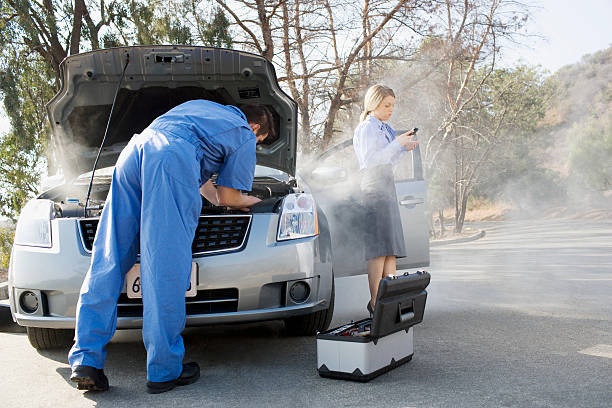
Today’s cars have sophisticated cooling systems equipped with multiple heat sensors and computer-controlled electric fans designed to keep your engine running in any weather. But overheating can still happen. Continue reading on to learn the best ways to prevent an overheated car and steps you can take in the event that your car begins to run hot. more Why do engines overheat and how can I avoid it? Engines overheat for many reasons. Generally, cars overheat because of a problem with the cooling system that doesn’t allow heat to leave the engine compartment. This is often due to a leak or blockage somewhere in the engine cooling system or other components. Other sources may be from a faulty or broken water pump or radiator fan, or from a clogged coolant hose. Components like rubber hoses, gaskets, and water pumps can spring a leak with regular wear and tear. Certain driving conditions, like stop-and-go traffic on a hot day, can put significant stress on the cooling system, causing it to fail. Fortunately, you can usually avoid this problem with regular maintenance by a certified mechanic, who will check your car’s coolant and oil levels and inspect hoses, fans, the thermostat, and other parts in the cooling system. Signs your Engine is Overheating If you’re able to take steps to cool your engine before it overheats to the point of failing, you may reduce the risk of irreversible engine damage. But first, you've got to notice the symptoms of overheating, which can include: Steam (which can look like smoke) coming from under the car hood. An engine temperature gauge on your dashboard that spikes to "H" or into the red. (Engine temperature gauge symbols vary, so consult your owner's manual.) A strange smell coming from the engine area. For example, leaking coolant can smell sweet while leaking oil might smell more burnt. An illuminated “Check Engine” or “Temperature” light on your instrument cluster. As soon as you notice the engine overheating, take the following steps and contact your nearest repair shop. What to do When your Engine Overheats: 1. Kill the A/C and Crank the Heat Immediately turn off the air conditioner to reduce stress on the engine. Then, turn the dial to maximum heat. This can help pull heat away from the engine to keep it from overheating until you can pull over in a safe location. You may get a little hot yourself, but a few minutes of discomfort is a small price to pay compared to major engine repairs. 2. Find a Good Place to Pull Over Pull over and shut off the car. Allow the engine to cool for at least 15 minutes. Keep an eye on the temperature gauge, as it should move back to a normal range as the engine cools. While you're waiting (and watching the gauge), put together a plan to get your overheated engine checked out. Call a friend, a tow truck, or your local roadside assistance for help. 3. Wait If you don’t have roadside assistance, be patient; it will take at least 15 minutes for the engine to cool. In the meantime, do not attempt to open the hood; the coolant in a car that has overheated may be in excess of 230 degrees. Once the hood is open, there’s a risk of being sprayed with hot water or steam. 4. Check Coolant If your coolant level is low, a quick top-off could help protect your engine and prevent overheating until you can get things fixed. However, this step won't do much good if a coolant hose is clogged or the source of your troubles is a broken radiator fan or water pump. Consult your owner's manual to find the location of your coolant reservoir tank and to learn how to add coolant to your vehicle. 5. Get to a Service Station Adding coolant does nothing to address the problem that caused your engine to overheat in the first place, but it often allows you to drive safely to the nearest repair station. So if your car isn't being towed, now's the time to carefully restart your engine and drive to your nearest auto repair shop. Keep an eye on the temperature gauge as you drive. If it rises again, pull over and let the system cool. Take notice of everything, like fluid under the car or steam under the hood. What NOT to do When your Engine Overheats 1. Don't Panic Your engine isn’t keeping its cool, but you can! Avoid swerving through traffic or slamming on your brakes when pulling off the road. Drive carefully until you find a safe place to pull over. 2. Don't Keep Driving If your engine is overheating but still running, you're not doing it any favors by staying on the road. Sure, you may be able to get to your destination before it gives out entirely, but you may cause significant (and costly) damage by pushing your engine too far. 3. Don't Open the Hood Immediately Once you've pulled over, wait for the engine to cool before popping the hood to check things out. Opening the hood immediately can put you at risk of burns or injuries from spewing steam or smoke. Patience is key. Wait until the engine temperature gauge settles before opening the hood. 4. Don't Let the Issue Linger An overheating engine won't resolve on its own, even if it seems to be fixed after you add a little coolant. It will only get worse if left unaddressed. Get to the root of the issue to help save your engine and your wallet. How to Prevent an Overheated Engine Take care of your car, and it’ll take care of you. The best way to prevent an overheating car engine is to have regular coolant flushes and exchanges performed on your car, and stay up-to-date with radiator maintenance as recommended by your vehicle manufacturer. Routine inspections can also help you fix any potential radiator or engine issues before they worsen. Checking Coolant Yourself You can check your engine's coolant yourself! It’s a good idea to do this every few months, or before you hit the road for a long trip. Knowing how to complete this simple task is almost as important as knowing what to do when your car overheats. Release the hood. Find the radiator reservoir (usually a white tank). Visually inspect the level on the side of the reservoir. The level should be between the “low” and the “full” marks. If it’s beneath the “low” mark, allow your engine to cool down and add more coolant. Check your owner’s manual for the correct fluid. Use a funnel to prevent spills on the engine (or just bring your car to a nearby service station location and ask them to do it for you).

A Guide to Gasoline: Learn the Differences

When you pull up to the gas station, do you really know what you’re getting by making the choice of regular or premium gas? What are the different gas types? Which one should you choose for your vehicle? Is it worth it to pay more for premium gas? Selecting a grade of gasoline simply because it has a higher-octane rating might not be the best choice for your car or your budget. While some vehicles can benefit from premium gas, most drivers can save money at the pump by using regular unleaded in their vehicle without sacrificing performance. This guide explains the different octane ratings for fuel found at gas stations, why some types of gasoline cost more, and which gas you should use for your car. more Octane Ratings Explained The octane rating on different grades of gasoline is a measurement of the fuel’s stability. Higher octane numbers mean greater stability. The greater stability indicates the gasoline’s resistance to preignition and the fuel’s ability to resist “knocking” or “pinging” during combustion. These sounds come from the air-fuel mixture detonating prematurely in the engine. Internal combustion engines compress a mixture of air and fuel and ignite them with a spark. Under certain conditions, the fuel-air mixture can ignite early, creating a knocking sound in the engine. Newer cars have sensors that prevent preignition, so you’ll rarely hear knocks and pings unless you drive an older vehicle. A gasoline’s octane rating averages two testing methods — the research octane number (RON) under idle conditions, and the motor octane number (MON) under higher engine speed. You might have noticed this formula in smaller letters on the yellow buttons displayed on gas pumps — (R+M)/2. The larger numbers on gas pump stickers indicate the octane rating of the different gasoline grades. Typically, gas stations sell gasoline with three octane levels: Regular Regular gas is the lowest octane fuel at typically an 87 level. Mid-Grade Mid-grade is the middle-range fuel at usually an 89 octane level. Premium This is the highest-octane fuel you can buy and it’s generally at levels of 91-94. Even though some companies market their different grades of gas with names such as “Super Premium,” “Ultra,” or “Ultimate,” they all refer to the gasoline octane rating. “Premium” Gas Can Vary By State What qualifies as premium gas varies from state to state. So pay attention if you are on a cross-country road-trip or crossing state lines. One state may require a minimum octane rating of 92 to be considered premium, while another may only require 90. Gas stations in the United States generally offer three octane grades: regular (usually 87 octane), mid-grade (usually 89 octane), and premium (usually 91 or 93 gas). Check the sticker on the pump to know which you are getting. What Type of Gasoline or Fuel Should I Put in My Car? The fundamental rule of car maintenance is to follow the manufacturer’s guidelines found in the owner’s manual. It will show the minimum octane level for the vehicle and whether premium gas is recommended or required. There’s a distinct difference. If your car does not recommend premium, you aren’t doing your vehicle any favors by getting it. Some vehicles specify “premium” gas. Engineers at auto manufacturers prescribe premium gas because certain kinds of engines operate optimally with higher-octane fuel. If your owner’s manual doesn’t call for premium gas, your vehicle doesn’t need it. Recommended vs. Required Fuel Types Cars that require premium fuel often have a warning notice at the gas cap and sometimes on the dashboard gas gauge reminding drivers to use the correct type of gas. When your owner’s manual recommends a fuel type, it’s not required that you put it in your vehicle. Generally, do what the manufacturer outlines in the owner’s manual and pay attention when filling up at the gas pump and make sure to choose the right fuel for your car. Higher octane fuel may be necessary for engines that use a greater compression ratio or use turbocharging to force more air into the cylinders. This allows high-output engines to produce more power from the compressed air-fuel mixture. These high-compression engines can require high-octane fuel to ensure the mixture doesn’t ignite early. Using fuel with an octane level lower than what is recommended by the manufacturer can reduce engine performance. Over time, not following the octane guidelines for your car can cause damage to the engine and emissions control system. It might also void the vehicle’s warranty. Can You Use a Higher Octane Gas? If your car is designed for regular-octane gas, you can safely use higher grades of gasoline. But under normal driving conditions, there is little to no benefit with buying fuel with octane levels greater than what is recommended. However, if you have an older car experiencing engine knock, filling up with premium gas for a few tanks might fix that problem. Understanding Diesel Fuel Diesel fuel is the common term for petroleum distillate fuel. Gasoline and diesel engines operate differently and therefore use different types of fuel. Diesel is used in vehicles that use compression ignition engines, while gas engines are spark-ignited. In general, diesel engines work more efficiently and provide greater torque that is needed to move heavy loads, even though they generate less horsepower than their gasoline counterparts. These days, the diesel car market in the United States is relatively small. However, many heavy-duty pickups and vans are offered with optional turbo-diesel engines that bring the towing capacity that is desired for commercial work and off-road driving or for pulling boats and campers. Not every diesel-powered vehicle looks like a workhorse, however. The Land Rover Range Rover, Land Rover Range Rover Sport, Cadillac Escalade, and Jeep Gladiator offer available diesel powertrains. In addition to petroleum-based fuel, diesel engines are capable of using biodiesel that is produced from raw vegetable oil, used cooking oils, and waste animal fats. Mistaking Diesel Fuel and Gasoline If you unintentionally fill up your tank with a gasoline grade with an octane rating less than or greater than what is recommended for the car, there is no reason to panic. What is a cause for concern is putting diesel fuel into the tank of a gas vehicle or pumping gasoline when the car requires diesel. It’s difficult and uncommon, but not impossible, to put diesel fuel into a tank intended for gasoline. A diesel pump is a different color, usually green, and its nozzle is larger so that it won’t fit into a gasoline tank’s opening. If you accidentally put diesel into your gasoline tank, you will need to pay to have the engine’s fuel lines drained and cleaned at a dealership or local car repair. Similarly, having gasoline in a diesel engine can cause damage to the fuel pump, filter, and injectors. What is Flex Fuel? E85 is a fuel designed for “flex-fuel vehicles.” It is composed of 85% ethanol and 15% gasoline. E85 pumps are clearly labeled at gas stations and typically have yellow nozzles. Flex-fuel vehicles usually have a yellow fuel cap. Using gasoline of any octane level in a flex-fuel vehicle is OK. However, putting E85 in a car that isn’t designed for it can be harmful. Most insurance policies don’t cover accidentally fueling up with the wrong gasoline type. However, some insurers offer riders that do cover the mishap. So check with your insurer and your policy. It is important to pay attention at the pump, avoid distraction, and know your car’s requirements. What is Recreational Fuel? Ethanol-free 90-octane gasoline is sometimes marketed as “recreational fuel” or REC-90. Many consumers prefer to use this pure gasoline that isn’t blended with ethanol for marine equipment and small engines for lawnmowers, snowblowers, chainsaws, generators, pumps, and the like. Non-ethanol gasoline typically costs more than varieties that are blended with ethanol. This type of gas isn’t sold at every filling station. Using ethanol-free gas in your car won’t harm the vehicle’s engine. However, using an ethanol blend may cause damage to your outdoor power equipment. Refer to your owner’s manual for the correct fuel to use for your tools. Why Do Some Gasoline Types Cost More Than Others? The most noticeable difference between grades of gasoline is the cost, and motorists often wonder why higher-grade options cost more. The reason is that the additives and components used for boosting octane are generally more expensive to produce. At the time of this writing, the average price of regular unleaded in the United States is $4.33 per gallon, while a gallon of mid-grade costs $4.68, according to AAA. Drivers buying high-octane premium gasoline can expect a price increase of 62 cents more than regular, or $4.95 per gallon on average, the website shows. That means it costs $9.30 more to fill a 15-gallon tank with high-octane premium gas than it would with lower-octane regular. Is Gas with Higher Octane Worth the Price Difference? Absolutely. However, it’s only worth the price difference if your car requires higher octane gasoline such as mid-grade or premium fuel. Otherwise, you would be wasting money. Some owner’s manuals indicate that using fuel with a higher octane rating will make your car run better or more efficiently. Still, the increase in cost per gallon is typically higher than any reduction in gas consumption. Price Factors for Gasoline Many factors determine gasoline prices. Drivers often see higher prices in the summer driving season. Supply from refineries and demand from vacationing motorists can add up to 15 cents per gallon to gas prices in the summer months. Additionally, seasonal gasoline blends found at the pump contribute to price differences from one season to the next. In warmer months, gasoline has a greater chance of evaporating from a car’s fuel system. To help offset smog and emissions, refiners produce a summer blend with lower volatility to reduce the chance of evaporation. Blends vary by state because of government regulations. These seasonal blends can add up to 15 cents per gallon on top of demand increases, depending on the region. From September to April, cooler weather brings lower gas prices because the winter blend is cheaper to produce. The price at the pump can fall as much as 30 cents per gallon as gas stations switch to winter gasoline and many drivers stay closer to home. Gasoline FAQ How long can you store gasoline? High-quality gasoline can be stored for three to six months in an approved, tightly sealed container before it begins to degrade and lose its volatility. Using a fuel stabilizer can extend the shelf life of new gasoline. While pure gasoline can last up to six months, ethanol blends, such as E85, will last for three months. Diesel fuel can be kept for up to one year. Does gasoline go bad? The volatile compounds of gasoline naturally degrade over time and the combustibility of old gas decreases, even when properly stored. Gasoline can go bad from contaminates such as dirt and rust. Old gas may be refreshed to usable condition by mixing it with a high ratio of fresh gasoline. Contaminated gas should not be used to power any equipment because it can damage the engine’s components. How to dispose of gasoline? Safely dispose of old gasoline at a hazardous waste facility near you. Your local fire department can suggest options for proper disposal of unwanted gasoline. Never dispose of gasoline in trash cans, the ground, storm drains, lakes, streams, or other bodies of water.

April is National Car Care Month

Winter has come to an end, spring is in full swing, and there is no better time than April to get your car in tip-top shape for summer road trips or simply for driving around town! That's why the Car Care Council named April as one of their two National Car Care Months. No matter your transportation needs, it is essential to make sure that your car is in excellent condition to help you reach your destination safely and comfortably. Keep reading for a rundown of the car maintenance tasks you should make sure not to forget. The Car Care Council recommends 10 basic maintenance procedures to keep your car operating at its best: more 1. Oils and Fluids Check the oil, filters and fluids. Oil should be checked at every fill-up and changed per the owner’s manual recommended intervals. Brake, transmission, power steering, coolant and windshield washer fluids should also be checked regularly. Your car’s filters, including those for the transmission, fuel system and interior ventilation, need regular inspection and replacement. 2. Belts and Hoses Inspect hoses at each oil change and have them replaced when leaking, brittle, cracked, rusted, swollen or restricted. Check V-belts and serpentine belts for looseness and condition, and have them replaced when cracked, frayed, glazed or showing signs of excessive wear. Typically replace the timing belt between 60,000 and 90,000 miles or the interval specified in the owner’s manual to avoid a breakdown or serious engine damage. 3. Brakes Check the engine brake system every year and have the brake linings, rotors and drums inspected at each oil change. 4. Battery Check that the battery connection is clean, tight and corrosion-free. The battery should be securely mounted. If it is three years old or more, the battery should be tested and replaced if necessary. 5. Exhaust System Inspect the exhaust system for leaks, damage and broken supports or hangers if there is an unusual noise. Exhaust leaks can be dangerous and must be corrected without delay. 6. Engine Tune-Up Schedule a tune-up that will help the engine deliver the best balance of power and fuel economy and produce the lowest level of emissions. 7. HVAC Check the car’s heating, ventilating and air conditioning (HVAC) system as proper heating and cooling performance is critical for interior comfort and for safety reasons, such as defrosting. 8. Steering and Suspension Inspect the steering and suspension system annually, including shock absorbers and struts, and chassis parts, such as ball joints, tie rod ends and other related components. 9. Tires Check the pressure of all tires, including the spare, at least once a month. Check the tread for uneven or irregular wear and cuts and bruises along the sidewalls. Have your car’s alignment checked at least annually to reduce tire wear and improve fuel economy and handling. 10. Lights and Wipers Test exterior and interior lights and have bulbs that are not working checked immediately. Replace windshield wiper blades every six months or when cracked, cut, torn, streaking or chattering for optimum wiping performance and safety.

10 Tips to Get your Vehicle for Spring

The spring season is nearly here and while many of us may be ready for the warmer weather, our vehicles might need some help adjusting to the change. Before the winter season approaches, many people get the oil changed, tires checked and other pre-winter maintenance completed on their vehicles. But winter takes a heavy toll on cars, often causing hidden damage that can be costly or dangerous. So before the summer fun begins, now is the best time to assess any new issues your vehicle might have taken during the winter months, before it becomes a serious problem. more 1. Deep clean the Inside and Outside of your Vehicle Wintertime driving will coat the bottom of your car with salt, sand and other grime that can cause corrosion. Corrosion can lead to rust problems, which can make your car much harder to resell or even dangerous to drive. Spend a few extra dollars for the undercarriage power wash at the local car wash or spray the car's bottom with your own hose. If possible, use a car jack to raise the vehicle for a more thorough cleaning. There's no need to use soap or any other cleaner. While you're at it, open the hood and wipe down the engine with a soft mitt and soapy water. Remove all the leaves and debris that can find their way into the car, and remove any crusty white residue off the battery with a toothbrush, baking soda and water. The residue — caused by corrosion — can eventually prevent your car from starting. The cleaning also helps prepare the battery for the stress of warmer temperatures. Salt and sand can also damage the car's paint. Give your car a thorough cleaning and wax it with a paste or liquid wax, as sprays don't clean as well. Scrub the bottoms of doors, which can get coated with grime. Car owners should also clean the window channels, and apply a silicone spray, which repels dirt and lubricates the surfaces so the windows will operate smoothly. Use a steam cleaner — you can rent one for $20 at Home Depot — or apply a rug-cleaning spray to remove all the salt from the car's inside. Salt can break down some fabrics and cause rips or tears when feet grind against them. 2. Replace Windshield Wiper Blades Anyone who has had a windshield wiper peel off during a heavy spring rain knows that the icy cold of winter can be hard on blades. It's recommended you change your vehicle's wiper blades every spring and fall season. Even if your blades look OK, replace them if they start to leave streaks on your windshield. An auto technician can change them, or you can easily replace them yourself. Just check the owner’s manual for your car to find the correct size. 3. Inspect, Rotate, and Align your Tires Being the only thing separating you and your vehicle from the asphalt, tires are an extremely important factor when it comes to driving. And winter driving can be extremely harsh on your tires. First things first, if you have a set of winter tires and snow is no longer in the forecast, go ahead and switch over to your all-season or performance tires. Inspect the traction and tread on each tire, and check each the tire pressure while you're at it. Ensure there is no significant wear and the tire pressure is filled to where it should be, as the spring season will bring rain, that combined with a low or balding tire, can lead to some serious sliding on the road. Cold, winter weather can cause tires to be underinflated and the onset of warm weather can overinflate them, and can even cause cracking in the tire. Potholes are one of the unfortunate elements of winter driving and they can certainly take their toll on your car. Have your tire alignment checked in the spring, and if you kept your all-season or all-weather tires on over the winter, consider having them rotated as well. If your wheels are out of alignment, it can cause a host of problems, including stress on your car’s suspension, uneven tire wear and other potentially dangerous issues. 4. Check your Brakes Road salt can impact the condition of your brakes. It can corrode metal and your brake pads rely on clean, properly lubricated metal frames to work properly. Save yourself a step and get this checked while your car is already elevated having its tires changed at a service center. You can often bundle the brake inspection cost with the tire inspection. 5. Check and Change your Oil Many cars use thinner oil during the winter than in the summer. Thinner oil flows more easily during cold weather and ensures that your car starts more easily. When warmer spring weather arrives, it’s wise to have an oil change and use thicker oil. Even if your car uses multi-viscosity oil, as many do, spring is a great time to change it. Winter is hard on engines, and the oil and filter become dirty. Changing the oil will ensure your engine performs well and lasts longer. That means less chance of a breakdown in steaming hot weather of summer. 6. Check your Other Fluids Multiple fluids are needed for your car to function properly. Winter weather can deplete some fluids — especially windshield wiper fluid — more quickly, so top them off yourself if they're too low. A service station will also do the job for $25 or so. You should change your oil, brake fluid and transmission fluid every 5,000 miles or so, regardless of the season. Many people don’t find out that fluids are low or dirty until the fluids fail and the car is damaged. There usually aren’t many obvious warning signs. When your car is serviced, ask the technicians to check the following fluids: Power steering Brake Transmission Windshield washer solvent Antifreeze/coolant 7. Check your Air Conditioner Test your air conditioner by running it for about 15 minutes once a month, even in winter. No, it won’t hurt it. In fact, it might make it last longer. Running the air conditioner ensures the system stays fresh and active. Plus, you’ll find out if the air conditioner doesn’t work before the blazing hot days of summer. Your car technician can also check the system’s pressure readings and other elements. While you run your air conditioner, take a few sniffs inside your vehicle with the doors closed. Does your car smell funny? Many car owners don’t know that there is an air filter in the car’s cabin. The filter is easy to locate and change yourself. NAPA gives a step-by-step guide. If you’re not handy, ask your car technician to change it. 8. Inspect Under the Hood Inspect your vehicle’s belts, hoses and air filters. Many of those crack or become loose during the winter months, especially if rodents and other small animals crawl into engines to stay warm. If the belts or hoses are cracked or damaged in any way, you must have them repaired. Make sure the air filters are clean and working properly so your air conditioning is ready for the approaching warm weather. Also be sure to inspect your vehicle's battery. Car owners always think batteries die during the winter. They do, of course, but they also die in summer. Many national auto care chains offer free battery testing, so you can find out whether you need a new one before the battery fails. 9. Swap Out Emergency Supplies You won't need a parka and a blanket anymore. Spring is the season to double check that the batteries are good on your flashlight and that you have a few bottles of water in the vehicle, just in case. Also replenish flares if they were used during winter and make sure all the components of your tire jack are in the car. If you don't have a spare or a jack, determine if all the parts of the patch kit are in working order. 10. Assess your Technology for Updates If you have an older vehicle, you may want to see what new aftermarket technology is available to improve your systems. If your car is newer, you can check with your dealer to make sure that all your tech and software is up to date.

How to Save Up for a New Car

Saving to buy a car minimizes the amount you have to borrow. This puts you in a stronger position at the dealership and could save you thousands in interest. It requires some discipline, but if you follow these steps, you could save all — or most — of your down payment within just a few months! Take a look at our tips on how to effectively save for that new car of your dreams. more 1. Calculate your down payment Choose a target amount to spend, then compare a few makes and models to find out if it's realistic. Once you zero in on the price range for a car you can afford, calculate your down payment. Aim to put 20% down on a new vehicle and 10% down on a used vehicle. “The more money you can come up with on your own, the better the deal you’re ultimately going to get,” says Brian Moody, executive editor at AutoTrader. Making a higher down payment helps you qualify for a loan, and it can earn you a lower interest rate and more affordable monthly payments. Moody suggests shopping for financing as you would for a car, because pricing and terms vary among lenders. Apply to an online provider first, then see if the dealer can offer a lower rate. Besides the cost of the car itself, determine how much money you’ll need for sales tax and fees so you can save up for those costs, too. 2. Budget for car-related expenses We recommend following the 50/30/20 budget, which allocates 50% of your monthly income to needs, 30% to wants and 20% to savings and debt repayment. Deciding whether to factor vehicle savings into the "needs" or "wants" part of your budget can be tricky, but think of it this way: A used, base-model car and a brand-new one with upgraded features will both get you to work, but the latter is more of a "want." Keep in mind that your car payment and other ongoing costs, such as insurance, will become a part of your budget. Many experts say that all car-related expenses shouldn't exceed 20% of your take-home pay. Factors such as your driving record, age and credit score will influence your insurance premiums. Compare car insurance rates from multiple insurers and consider bundling your auto policy with a homeowners or renters policy to save money. 3. Limit unnecessary spending As you save up for a major purchase like an automobile, spend money carefully elsewhere. Consider cutting down on "wants" spending temporarily and find ways to reduce your current expenses, such as cable and groceries. Redirect the money saved toward your new car fund. 4. Set up a savings account Now that you know how much to save and how to save it, the next step is to find a safe home for your money. It might be worth opening a separate account so you aren’t tempted to dip into your car savings for other purposes. If you have a few years to save up — say you’re a high school student and buying a car is a long-term goal — put your money in a high-interest savings account or certificate of deposit so it can grow. (Make sure to shop around: Some of the best online accounts pay interest rates as much as 150 times higher than large traditional banks.) Leave these reserves untouched until it’s time to pull the trigger on a set of wheels. 5. Automate your savings Once you have a place to store your savings, make regular contributions. You can do this with minimal effort by setting up automatic transfers from your checking account on your bank’s website or using a trusted third-party app to make deposits for you. 6. Sell or trade your current car If you're replacing an old car, you can sell it or trade it in and put that amount toward the next car. “Selling it yourself is likely going to get you more money, but will cost you time,” Moody says. Use appraisal tools to estimate your car's value so you’ll know how much it might add to your savings fund. If your previous car was totaled, your insurance company might have issued a reimbursement check that will fully or partially cover a new one. 7. Pick up a side hustle To help close any savings gaps, think about finding ways to earn more money. A side job can accelerate your progress, but make sure it’s legitimate — and worth your time — before you commit.

The Best Commercials from Super Bowl 56

On Sunday evening, over 112 million people tuned into the biggest football game of the year, Super Bowl 56. The match up between the L.A. Rams and the Cincinnati Bengals resulted in a victory for the Rams, with a score of 23 - 20. And while the game had viewers on the edge of their seats, the star-studded commercials from this year's Super Bowl provided some needed tension release, with some comedic and heart-touching moments. Take a look at our top list of the best 2022 Super Bowl ads, and let us know what your favorite commercial was! more Best Automotive Ads: General Motors: Dr. EV-il As an automotive dealer and service provider, we'd be remiss to not have an entire category dedicated to all the automotive ads we saw on Super Bowl Sunday. This Austin Powers reunion saw Mike Myers as Dr. Evil becoming the second largest threat to the world, after climate change. Even the iconic villain may be ready to help save the world, just so he can be the world's biggest fear again. Seth Green, Rob Lowe and Mindy Sterling appeared in the ad as well. Nissan: Trill Driver Nissan's "Trill Driver" commercial was filled with stars and action, perfect for the fourth quarter of the game. Schitt's Creek cast members joined Marvel cast members to show of Nissan's new 2023 Nissan Z. When Brie Larson tosses Eugene Levy the keys to her slick, yellow 2023 Nissan Z, it utterly transforms the actor into an action star, who buzzes past Catherine O'Hara and Marvel stars David Bautista and Danai Gurira. It's a cinematic thrill ride worthy of appearing on the big screen, which we discover at the end... it was! Toyota: Brothers This heart-touching ad told the story of brothers Brian and Robin McKeever, who worked together to earn 10 Paralympic medals for Canada after Brian started to go blind due to an untreatable degenerative eye condition. Brian became the country's most decorated Winter Paralympian and Robin became an Olympian in cross-country skiing as well as a Paralympic guide and coach. Chevrolet: New Generation (The Sopranos) As fans of The Sopranos likely noticed, the commercial was a modern recreation of the show's iconic opening credit sequence, which featured Tony Soprano (James Gandolfini) driving from Manhattan to New Jersey in his 1999 Chevy Suburban. Jamie-Lynn Sigler, who played Tony's daughter Meadow Soprano in the HBO hit from 1999-2007, revisited her iconic role when she starred in Chevrolet's Super Bowl ad for its all-electric 2024 Silverado EV. In Sunday's commercial, it was Sigler who was behind the wheel — and in a sweet twist at the end, the actress reunites with her Sopranos costar Robert Iler, who played her on-screen brother, A.J. Soprano. Toyota: The Joneses Can you keep up with the Joneses in their Toyota Tundras? Tommy Lee Jones, Leslie Jones, and Rashida Jones all teamed up for another one of Toyota’s Super Bowl commercials. This time, Toyota took a more comedic take as the three Joneses began to race both on and off road in a tense race. The trio were joined by a fourth member that didn’t quite fit the bill. At least, not until he said so. At the end of the minute long ad, Nick Jonas pulled up in his own truck before boldly declaring, “It’s keeping up with the Jonases now.” BMW: Zeus and Hera Everyone’s favorite Greek god, Zeus found his new favorite car. Arnold Schwarzenegger takes on the role of Zeus as he navigates life post retiring from Mount Olympus to Palm Springs. Zeus is struggling on land and beginning to lose “his spark” until his wife, Hera–played by Salma Hayek–reinvigorates his life when she introduces him to his new car, the all electric BMW iX. Kia: Robo Dog A little robot dog escapes his high-end electronics store and chases after the love of his life: A future owner, sure, but mainly the Kia car he spots outside the window one day. After some serious moves parkouring around town, he runs out of power... and discovers the Kia can charge him up in more ways than one. And if that's not enough to rev your emotions, Bonnie Tyler's "Total Eclipse of the Heart" as the soundtrack should do the trick. WeatherTech: Special Ops - Fit Crew When your vehicle needs ultimate interior and exterior protection, WeatherTech’s Special Ops - Fit Crew is here to help. See them in action in this Super Bowl ad. Carvana: Oversharing Mom When you’re happy, you can’t stop talking about it. With Carvana, you can shop thousands of cars from anywhere, helping you find the right one at the right price. This ad highlights all of Carvana's helpful features, which this mom shares with anyone who will sit still long enough. Best Non-Automotive Ads: FTX: Don't Miss Out on Crypto Larry David has never been wrong about anything. Except for the wheel, forks, toilets, American independence, the right to vote, light bulbs, traveling to the moon, and the Walkman. With cryptocurrency though, he’s sure that it won’t be successful, even if he’s told that FTX will be a good way to get introduced to cryptocurrency. “Nah, I don’t think so,” he said before assuring. “And I’m never wrong about this stuff. Never.” Michelob ULTRA: Welcome to the Super Bowl Athletes need time to unwind too! Michelob ULTRA gave fans a sneak peek into what some star athletes do when they’re away from their respective sports: bowling. Steve Buscemi serves up a beer and a pair of shoes while Peyton Manning, Alex Morgan, professional golfer Brooks Koepka, WNBA star Nneka Ogwumike, and NBA star Jimmy Butler find themselves blowing off some steam on the lanes and by the pool table. And to top it all off, Serena Williams makes a grand entrance at the end, much to Manning's dismay. Hellman's Mayo: Tackling Food Waste Family members pair up in this Hellmann's ad, which features "Saturday Night Live's" Pete Davidson (who dodges a full-on tackle from former New England Patriots linebacker Jerod Mayo), and his real-life mom Amy Davidson. Mom doesn't get a line, but Davidson ends up on the floor anyway, noting he's "very hittable." Planet Fitness: What's Gotten into Lindsay? The pop culture references come fast and furious in this ad, which features Lindsay Lohan at a Planet Fitness gym literally glowing, but also showing up on an episode of "Jeopardy!" with Dennis Rodman, then with Danny Trejo as she blings up his ankle monitor, and finally striding by narrator William Shatner as she leaves her workout behind. Lay's: Golden Memories This ad shows just how versatile and enduring a potato chip can be, as showcased by Paul Rudd and Seth Rogen, who reflect back on all the ways the snack food has brought them together, saved them from harm, and even (in Rogen's case), helped him discover romance. Bud Light Seltzer Hard Soda: Land of Loud Flavors In just one minute, we get a look at the Loud Flavors fantasyland in which Guy Fieri would rule, and it looks not just colorful but delicious. When two of his minions swipe a bucket of the Hard Soda and bring it back to their leader, he declares the drinks to contain the "Loudest Flavors Ever." Amid the jubilation in the street we get a shot of two people kissing (a la the famous VJ-Day smooch in Times Square) and a (presumed) antagonist wrecked by the news as he waves a spatula. Budweiser: A Clydesdale's Journey Budweiser reminded viewers that "better days are ahead" with its new Super Bowl commercial. Directed by Academy Award winner Chloé Zhao and titled "A Clydesdale's Journey," the spot followed the brand's iconic Clydesdale fighting for recovery after suffering an injury while leaping over a fence. With the message of "Down Never Means Out," it was a story that symbolizes the courage of the American people to keep going amid the ongoing COVID-19 pandemic. Amazon Alexa: Mind Reader Saturday Night Live star Colin Jost and Black Widow lead Scarlett Johansson gave a glimpse into their married life in the tech-savvy clip. They imagined a life where Amazon's Alexa might just be capable of hilariously reading their minds, and the possibility of the electronic voice stepping in during some opportune moments. Alexa turned on the blender while Jost won't stop talking, added mouthwash to the grocery list when the couple woke up one morning and even tattled on Johansson's lack of cooking skills during a dinner party. Squarespace: Sally's Seashells For some people, the real Super Bowl Sunday night was the newest episode of the popular show, Euphoria, airing on HBO. But in case one was flipping back and forth, fans of the series were treated to this bright ad starring series lead Zendaya and directed by Edgar Wright. Here, Zendaya stars as the titular Sally Seashell who, supposedly barring any supply chain issues or labor shortages, has a business selling seashells by the seashore. Rocket Mortgage: Dream House with Anna Kendrick and Barbie Anna Kendrick met her match in the highly anticipated Rocket Mortgage Super Bowl ad starring another pop culture icon: Barbie. The 1:15 long commercial examined how Barbie was able to land her dream house with the help, of course, of Rocket Mortgage. The commercial introduced characters like Better Offer Better, Cash Offer Carl, and House Flipper Skipper to throw a wrench in Barbie’s plans and “start a bidding war.” Luckily, in the end, Barbie gets her dream home before He-Man and Skeletor take the scene.

The Best Trucks for Montanans

February is Truck Month at Taylor’s Auto Max, so we complied a list of the trucks we feel best fit the lifestyle and culture of Montana. We sorted our choices by which trucks are best for those harsh, Rocky Mountain winters, which trucks are best for farming and ranching, and we’ll take a look at Montana’s most popular vehicle overall. more 10 Best Trucks for Snow and Ice: Pickups have established plenty of traction in today’s marketplace, and the best trucks for wintery conditions are just as successful on the ice. Of course, it certainly helps when those trucks have a competent four-wheel-drive system, so all of the options on our list do, in fact, have that hardware on their options lists. Most can be ordered with additional cold-weather comforts as well, including heated seats, heated steering wheels, and heated exterior mirrors. But if you do get completely snowed in, some of these trucks can even function as mobile Wi-Fi hotspots, to keep you connected until the plows come. And while these trucks are ready when icy conditions strike, they’re also great vehicles 365 days a year! Honda Ridgeline The very best trucks for snow and ice go beyond four-wheel-drive technology multi-mode drive systems, they automatically adjust key driving systems for optimum performance in different surface conditions. The Honda Ridgeline, for example, features a standard Intelligent Traction Management system with dedicated “Snow” settings for both front- and all-wheel-drive models. The all-wheel-drive Ridgeline further provides settings for “Mud” and “Sand.” As for other handy content for cold-weather climates, the Ridgeline can be ordered with heated front seats and a heated steering wheel, and a rearview camera is standard. Also standard in the midsize Ridgeline is a 280-horsepower V6 engine, while also optional are Android Auto, Apple CarPlay, and a full complement of Honda Sensing driver technologies. Ford F-150 The Blue Oval continues to upgrade the best-selling vehicle in the country, and as a result, the Ford F-150 is one of the best trucks for snow and ice in the full-size segment. The latest advantage is an optional 10-speed automatic transmission with five driver-selectable operation modes. Needless to say, “snow/wet” is among them, but also in the mix is a “normal” setting, along with three modes for optimum fuel efficiency, maximum performance, or hard-core towing and hauling. Nor is that transmission the only new item on the menu for the F-150. The new gearbox is standard with an all-new 2.7-liter V6 EcoBoost engine, and then Ford boosts technology with available resources like a mobile Wi-Fi hotspot. Chevrolet Silverado Unlike the best trucks for snow and ice with multi-mode drive systems, the Chevrolet Silverado relies on an electronically locking rear differential for an important traction benefit. Per Chevy, this gives the truck the extra traction it needs to “power through the toughest terrain by keeping the rear wheels moving together” (instead of independently.) Also, though that differential is indeed standard for rear-wheel-drive models, owners can pair it with four-wheel drive for greater levels of grip. The Silverado seals the deal for cold-weather customers by offering heated seats, a heated steering wheel, and heated exterior mirrors. When it comes to the industry’s hottest technologies, Chevy serves up a standard mobile Wi-Fi hotspot and Android Auto/Apple CarPlay smartphone integration. Chevrolet Colorado The best trucks for snow and ice in some cases are the same models designed for high-performance off-road duty. The Chevrolet Colorado, for one, starts with a standard all-speed traction control system specially engineered to maintain grip in snowy or wet conditions. However, it’s the new ZR2 model that’s the most capable player in the lineup. Designed to handle everything from rock crawling to desert running, the Colorado ZRZ also gains two inches of ground clearance to keep you above the white stuff, wider front and rear tracks for a more stable ride, and both front and rear locking differentials (when equipped with AWD). Naturally, the Colorado checks the same boxes for standard connectivity tech and optional heating as its bigger sibling. Toyota Tundra Boasting the perfect name for our best trucks for snow and ice, the Toyota Tundra can deal with slick surfaces in a variety of ways. Rear-wheel-drive trims feature a standard automatic limited-slip differential as part of their traction control systems, for instance, and four-wheel versions are configured with Toyota’s A-TRAC Active Traction Control. A-TRAC itself has a multi-mode controller to ensure the Tundra’s traction settings are a match for the relevant road, or trail, conditions. Unsurprisingly, the full-size Tundra can fill out its content list with heating elements for the seats and exterior mirrors, although oddly enough, not for its steering wheel. Something else that’s unexpected here are standard safety technologies such as automatic emergency braking, pedestrian detection, adaptive cruise control, and lane-departure warning. Toyota Tacoma Toyota’s best trucks for snow and ice also include its midsize pickup, the Toyota Tacoma. Backed by a firmly established reputation for off-road performance, the Tacoma takes things to the next level, with a brand-new TRD Pro edition that was developed for “uncompromising off-road expertise.” But that means no sacrifices when there’s slush or snow on the road either, especially since the truck is tricked-out with Kevlar-reinforced all-terrain tires, an automatic limited-slip differential, heated front seats, and even LED fog lights for cutting through blizzard conditions. To appeal to tech-minded customers, the Tacoma TRD Pro also has standard features such as a rearview camera, a blind-spot monitor, rear cross-traffic alert, a 6.1-inch infotainment touchscreen, and an app-based navigation system. Nissan Titan XD For a diesel-powered alternative, the Nissan Titan XD stands out because it not only carries the only V8 turbodiesel in the segment (with 310 horsepower and 555 lb.-ft. of torque on tap,) it also can be configured with a highly capable four-wheel drive system for enhanced traction. Front and rear differentials, a transfer case, and a limited-slip braking-differential function are all standard, as are segment-competitive tech resources that include hill-descent control and hill-start assist. Another benefit for folks who hate freezing weather is that the Titan offers heating for both the front and rear seats, and that warming function can be paired with both leather and cloth seats, for affordability. Ram 1500 Rebel The most off-road capable version of the RAM 1500, is the Rebel model which combines 33-inch tires and 1-inch factory lift kit for 10.3 inches of altitude. With that kind of ground clearance, and a four-wheel drive and an automatic locking rear differential, the truck can keep out of trouble in a wide range of winter weather conditions. The Rebel also rocks the latest smartphone-integration technology, thanks to an infotainment system that bundles an 8.4-inch touchscreen with Android Auto and Apple CarPlay. The typical trio of heating features also is available to warm up the seats, steering wheel, and exterior mirrors. GMC Sierra Like many of the best trucks on this list, the GMC Sierra offers a dedicated model for the most demanding road surfaces. At the Professional Grade brand, that’s the Sierra All Terrain X that showcases Goodyear Wrangler DuraTrac tires, four-wheel drive with a two-speed Autotrac transfer case, and for more traditional off-road adventures a trail-friendly suspension with Rancho monotube shocks. This being a GMC product, drivers in the Sierra All Terrain X also can enjoy luxury touches such as heated seats, a heated steering wheel, and heated exterior mirrors. The truck shares a common GM advantage, too, with standard connectivity technologies that extend to a mobile Wi-Fi hotspot, Android Auto, and Apple CarPlay. GMC Canyon As you might guess, the midsize GMC Canyon is available with most of the same goodies as the Sierra, so it gets the same recognition as one of the best trucks for snow and ice. To be exact, the Canyon comes with its own All Terrain X package for Wrangler DuraTrac tires, an automatic locking differential, a standard two-speed transfer case, heated seats, heated exterior mirrors, and a heated steering wheel. Standard leading-edge connectivity technologies are onboard with a mobile Wi-Fi hotspot, Android Auto, and Apple CarPlay. The Canyon (along with the Sierra and the Chevy Silverado and Colorado) also bring GM safety technologies like forward collision alert, low-speed forward automatic braking, and lane-keeping assistance. 10 Best Trucks for Farming and Ranching: A majority of farm trucks found working in the fields are composed of Fords, Dodges, Chevys, and the occasional GMC. If it isn’t American made, then it probably isn’t out on the farm. Farmers look for some key points when shopping for trucks. They want something reliable, both in model and in brand recognition. They want may want 4-wheel drive allowing them to actually get through tough terrain. They may want a dually for pulling trailers. They want a good engine that can last while pushing it to its limits. They also want a long truck bed or a flatbed so that there is plenty of room to work with. Farmers also look towards other truck owners for their opinion and experiences with certain models when shopping. And while some may suggest some newer model trucks, there are others that suggest older models as they’re proven workhorses and can be had for a bargain. Plus, used options allow owners to beat on their truck without much worry. We took all this information and looked at which trucks farmers are currently utilizing or have been looking to get their hands on over the years. Even if you’re not a farmer, you may want to take a look at some old farm trucks as some have relatively low miles and/or have been maintained (to an extent) pretty well over the years. Dodge RAM 3500 6.7L Diesel I6 Starting off the list of farm trucks is the 3rd gen Dodge RAM 3500 with the mid-generation 6.7L Cummins turbo diesel I6. This engine replaced the popular 5.9L Cummins I6 and brought with it a 6-speed automatic transmission, rather than the prior 4-speed. The RAM 3500 6.7L Cummins engine makes 350hp and 650 lb-ft of torque. It replaced the laggy fixed geometry turbo found in the 5.9L with a variable geometry turbo that experiences no lag and incorporated a turbo brake to the system. The main issues in this version are the added emissions components, like the EGR and DPF, that need to be checked for soot and carbon build up and there’s also some known head gasket issues due to the higher pressure built up in the cylinders. While it may come with some known issues, it is still quite the farm truck with regular upkeep and maintenance. GMC Sierra 3500HD 6.6L Diesel V8 Coming in as one of the newest used farm trucks on the list is the 3rd gen GMC Sierra 3500HD from 2011-2014 with the revised 6.6L Duramax turbo-diesel V8 making 397 hp and 765 lb-ft of torque. This mid-generation update tuned the GM Duramax engine, increased the axle weight to 6000 lbs, strengthened fully boxed frame rails, and upgraded the suspension. You may be thinking “isn’t the GMC Sierra 3500HD also the Chevy Silverado 3500HD?” and while that may technically be true, the Sierra version can experience a little more ride quality and comfort with GMC’s higher end trims. Why not ride in a bit of farm truck luxury when hauling livestock? Ford F-250 7.3L Diesel V8 Ford diesel engines weren’t much to talk about in the 90s, with the exception of the 7.3L PowerStroke turbo-diesel V8 found in the 9th gen Ford F-250 from 1994-1997. This engine found in the F-250 is touted as one of the most reliable diesel engines ever built with a history of models surpassing 500k miles and many still acting as great farm trucks to this day. The original engine produced 210 hp and 425 lb-ft of torque and reached 0-60 mph in a little over 14 seconds. That doesn’t sound like much, but it created a long-lasting reliable truck that is renowned by Ford enthusiasts. The Ford F-250 came with either 4×2 or 4×4 drivetrains, offered an 8ft bed, came as a single rear wheel or dually, and the HD version came with a heavier rear axle and larger springs and shocks. The 7.3L PowerStroke Diesel can also be found in the facelifted 10th gen Ford F-250s, but eventually it was replaced by the less than favorable 6.0L PowerStroke Diesel engine. Dodge RAM D/W250 5.9L Diesel I6 Much like Ford, Dodge had its own renowned engine found in the 1st gen Dodge RAM D/W250s from 1989-1993. The introduction of the 5.9L 12-valve Cummins Diesel I6 engine was revolutionary for the time and led the way for the competitive diesel segment we know today. The original engine produced 160hp and 400 lb-ft of torque with a fixed geometry turbocharger, direct fuel injection, durable cast-iron block, and forged steel pistons. It was a simply engineered and reliable engine design that was paired with an outdated square body Dodge truck design making it a perfect farm truck. This iteration also featured Dana axles in their prime (Dodge eventually switched to AAM axles due to quality control concerns and legal issues in the early 2000s). Chevy Silverado 2500HD 6.6L Diesel V8 In 2001, GM introduced the world to the 6.6L Duramax diesel V8 found in the 1st gen Chevy Silverado and the 2nd gen GMC Sierra pickup trucks. For this list we picked out the 2500HD as it fell right in the sweet spot for hauling and working everyday tasks. The first iteration LB7 6.6L Duramax diesel V8 engine made 300hp and 520 lb⋅ft of torque. The platform was improved upon leading to the sought after LBZ version that is known for its reliability, performance enhancements, and being made prior to emissions standards. The LBZ 6.6L Duramax diesel V8 can be found in 2006-2007 models and makes 360hp and 650 lb-ft of torque. Dodge RAM 1500 5.9L V8 Now, into the non-diesel farm truck options we’re starting with the 2nd gen Dodge RAM 1500. If you think of this generation, you may consider it kind of a rusty beater that had trans issues. And while that statement has some truth to it, the Dodge RAM 1500 with the 5.9L Magnum V8 is pretty well rounded as a farm truck. Sure, it succumbs to the elements a little easier, but it has an engine that gets the job done and just allows you to run it ragged without worry. As for the transmission problems, these trucks are going for below $5,000 in some instances. That price point should leave some wiggle room to maintain or even upgrade the transmission creating a more reliable farm truck option. Ford F-150 4.9L I6 The 9th gen Ford F-150 is a modern classic farm truck. The exterior design was something new and modern rather than the boxy bodies of the 70s and 80s. The chassis and suspension components were similar to the proven ones of the previous generation with some tuning and improvements. And the line of engines available were all simple in design and easy to work with. There were plenty of higher powered V8 options in this time, but the 4.9L Ford 300 straight six is probably one of the most bulletproof engines out there. Making just 150hp and 250 lb-ft of torque the 4.9L engine might not be able to haul quite as much as most of the list, but it’ll keep working without question for everything else. Chevy C/K 10 A little less of a “modern classic” and basically just considered a classic is that of the C/K 10 trucks found from 1973-1987. The predecessor to the Silverado took many forms, but the 3rd gen is probably one of the most recognized as a Chevy fan favorite. The square body was computer designed with more boxy proportions and had a curved front windshield. It featured a reworked suspension and rugged new axles while also bringing sedan like comfort into the interior. The C/K models carried quite the catalog of available engines ranging from straight sixes to different V8s and was one of the first trucks to offer a diesel engine option. While the 3rd gen Chevy C/K series has fallen into the realm of classic restoration pieces, their price hasn’t exploded yet and there’s some old farm trucks still chuggin’ today for great prices. Plus, the restoration surge just makes finding replacement parts and body panels an easier effort. Nissan Titan 5.6L V8 Alright, Nissan isn’t your typical farm truck brand, but the Titan is slowly becoming a contender in the truck market and it is actually manufactured here in the USA. While it isn’t accepted by a majority of farmers, there are a select few who have found that the Nissan Titan can get the job done. The midway through the 1st gen Nissan Titan is a sweet spot of improvements that makes the Titan fit on the list. In 2008, Nissan added a longer wheelbase option increasing the bed size and the company also improved upon their drivetrains and axles that plagued the prior years’ versions. The only engine found in the Titan is a 5.6L V8 that makes 317hp and 385 lb-ft of torque. It isn’t a Chevy, Ford, or Dodge, but it’ll still get the job done. Toyota Tundra 5.7L V8 Another slightly obscure farm truck is that of the 2nd gen Toyota Tundra. Like Nissan, the Tundra is from a Japanese company, but the manufacturing is done here in the USA. The 2nd gen Tundra is still being produced today just with the 2014 cosmetic facelift and some suspension tuning, but why not get basically the same performance in a slightly older used version found from 2010-2013? There are three engines available in the Tundra including a 5.7L V8 that makes 381hp and 401 lb-ft of torque and could also be paired with a TRD Supercharger. The Toyota Tundra also came with truck bed options ranging from a puny 5.5ft to a long 8ft option. So, while it isn’t the norm in the farming community, it’s still worth a mention as a farm truck option. The Most Popular Truck in Montana: Let's be honest, Montana is truck country.  From ranching and farming to just needing something that that will haul what you need to be hauled, Americans love their trucks and so do Montanans. According to some recent information when it comes to Montana consumers, the most popular new or used truck, is the same. Yep, whether new or used, the most popular truck in Montana is the Ford F-150. In fact, not only is it the most popular truck, it's the most popular vehicle as well. According to iSeeCars, the Ford F-150 has a 13.6 percent share of the new-vehicle market in Montana.  That percentage puts the F-150 in the top spot as far as new vehicles go.  So what about the used vehicle market?  The F-150 brings in 8.2 percent of the used vehicle market in Montana. As we mentioned before, Ford’s F-150 is the top-selling vehicle in the United States, earning the spot of being the most popular vehicle in 22 states, including: Alaska Alabama Arizona Georgia Idaho Kansas Kentucky Louisiana Minnesota Missouri Mississippi Montana North Dakota Nebraska New Mexico Oklahoma South Carolina South Dakota Tennessee Texas Utah Wyoming

Contact Us

Fill out this form below and we'll contact you shortly
*Required Fields